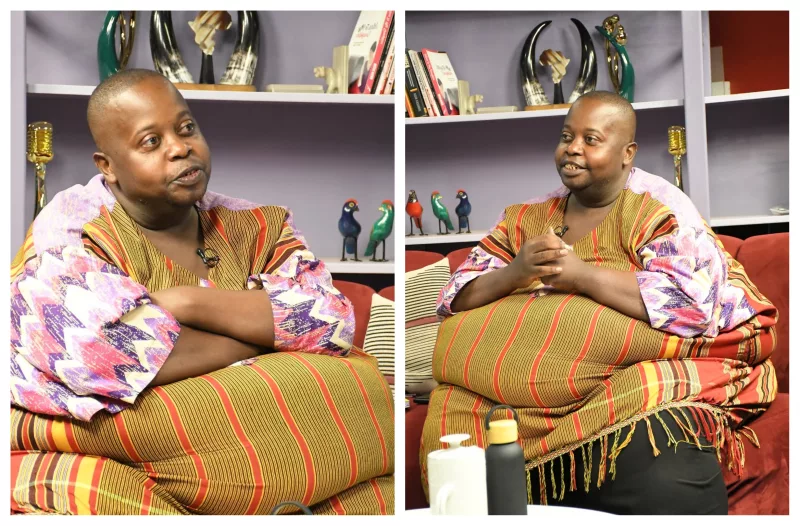
A man from Uganda Zirayo Okole left Kampala more than a decade ago in pursuit of economic stability, joining thousands of East Africans who migrate to the Gulf for work. At the time, Okole had a wife and a young child and limited prospects at home.
Today, the man who endured years of punishing labour in the United Arab Emirates is fighting for his life back home. Once defined by physical strength and resilience, he is now described as a shadow of his former self physically weakened, emotionally shattered, and struggling with addiction.
Hard Labor on the Construction Sites
In the United Arab Emirates, Okole found employment as a construction laborer on high-rise projects. The work was physically demanding, involving long hours and heavy lifting as buildings rose floor by floor.
Over time, the labor reshaped his physique and endurance. After three years on site, he was promoted to a watchman when the project was completed, a step that reflected both experience and reliability.
READ ALSO: Uganda Orders Nationwide Internet Shutdown Ahead of Elections
A Shift Into Security and Fitness
Okole’s career path continued to evolve. He later joined a private security firm in Dubai, working initially as a guard before advancing to a bouncer role. Colleagues recall that his professionalism and physical conditioning set him apart. During this period, he built relationships with clients and local contacts, which would later open unexpected doors.
According to accounts shared online, a member of a royal household noticed Okole during a gym session and offered him work as a personal trainer. The opportunity marked a turning point. For the next six years, Okole worked as a fitness trainer, earning a significantly higher income than he had previously known.
Remittances and Investments Back Home
Throughout his time abroad, Okole regularly sent money to Uganda. Records shared by family members indicate that his monthly remittances averaged about 20,000 dirhams, funds intended for property development and investments.
Over several years, the total amount sent home ran into tens of millions of shillings. The plan, those close to him say, was to return and settle into a life anchored by assets built during his absence.
ALSO READ: Does Uganda Have the World's Most Passionate Fans?
A Difficult Homecoming
On returning to Uganda last year, Okole was confronted with a reality far removed from the future he believed he had been building. Properties acquired during his years abroad were gone, sold during his absence, and his marriage had effectively ended.
Friends say the discovery came abruptly, offering little room to process the loss of both financial security and family life. The investments he had treated as proof of progress symbols of sacrifice and endurancewere no longer there, leaving him without the foundation he expected to rely on after more than a decade of work overseas.
The Personal Cost of a Long Absence
Those close to Okole describe the period that followed as one of steady emotional decline. The combination of shock, disorientation and isolation reportedly led him into substance use as a coping mechanism.
Once defined by physical strength and discipline shaped on construction sites and in gyms, he struggled to regain balance at home. His story has since been shared widely online, not as a tale of sudden poverty, but as an account of how prolonged separation, unmet expectations and unresolved personal arrangements can leave returning migrant workers vulnerable.
For many observers, Okole’s experience underscores the fragile line between success abroad and hardship upon return, highlighting the complex human consequences that often accompany labour migration.