For years, Kenya Railways Corporation has watched helplessly as its land was quietly taken over—sometimes by developers, other times by powerful individuals.
An audit report for the year ended June 30, 2020, revealed the full scale of the problem: hundreds of railway land parcels, from Nairobi to Mombasa, had been illegally allocated to third parties without the corporation’s consent.
Auditor General Nancy Gathungu’s report highlighted 529 parcels affected, including industrial plots in Limuru, parcels at Kikuyu and Mombasa railway stations, and acres of land in Nakuru’s Ziwani estate, now being used as a bus park.
The corporation lost millions annually to unpaid leases and non-billing, with some disputes dating back to 2013.
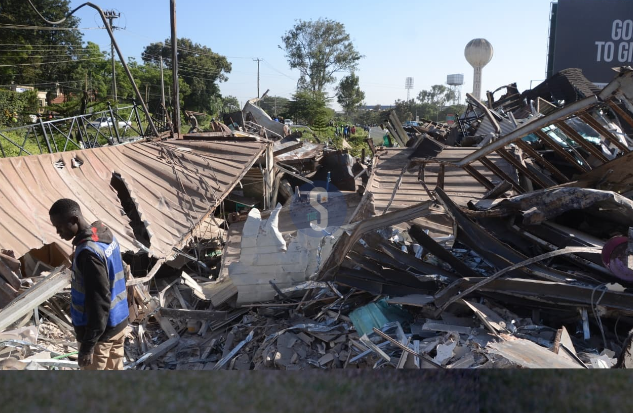
In a bold move, Kenya Railways has embarked on nationwide demolitions to reclaim its land.
In Nairobi, structures along the railway reserve near Nyayo Stadium and Talanta Stadium were torn down, part of a larger plan to protect critical railway corridors and prepare for commuter rail expansion.
Some of the demolished property belonged to Kiambu Governor Kimani Wamatangi, who has since accused authorities of political persecution, claiming he had been paying lease fees and was not properly notified.
Kenya Railways, however, insists that its campaign is lawful, non-partisan, and focused on safeguarding public assets.
The fight to reclaim public land has not been limited to demolitions.
The Ethics and Anti-Corruption Commission (EACC) has assisted the corporation in recovering grabbed property, including a Mombasa parcel valued at Sh50 million and a Kisumu plot worth Sh25 million.
In Kisumu, the courts declared the Certificate of Title issued to Fred Ogonji for a railway-owned parcel fraudulent, reinforcing the principle that public land cannot be illegally privatised.
“The corporation is reclaiming and repossessing all land and property illegally acquired by private actors,” Kenya Railways said, urging anyone with knowledge of illegal titles to come forward.
The initiative also aims to clear the way for transformative development projects, including commuter rail services and infrastructure along key railway corridors.
For Kenya Railways, the struggle is more than legal—it is a fight to preserve the nation’s heritage, protect public resources, and ensure that the land intended for national development serves the people, not private interests.