
Platforms such as TikTok, YouTube, Instagram, and Facebook have levelled the playing field, allowing creators to bypass traditional gatekeepers like radio stations, record labels, and event promoters.
Influencers now build audiences directly, turning smartphones into studios and followers into communities. The result is an entertainment economy where relatability often outperforms musical talent, and consistency beats star power.

Comedy creators such as Njugush, Flaqo Raz, Mulamwah, and YY have demonstrated this shift vividly. Their live comedy shows sell out theatres across Nairobi and beyond, sometimes in minutes.
Unlike musicians who rely on hit singles or album cycles, influencers maintain daily or weekly engagement with fans, creating a sense of personal connection that translates into ticket sales and brand trust.
Brand endorsements tell an even clearer story. Many companies now prefer influencers over musicians because of measurable engagement and targeted audiences.
An influencer can promote a product and generate instant feedback, sales, and online conversation. Musicians, on the other hand, often struggle with inconsistent branding or long gaps between releases.
Influencers have become walking media houses — creators, marketers, and distributors rolled into one.

What sets Kenyan influencers apart is their ability to localise content. They speak the language of everyday Kenyans, mixing Sheng, humour, and real-life experiences.
From skits about matatu culture to relationship satire and political humour, influencers mirror society in real time. This authenticity makes audiences feel seen and heard, strengthening loyalty in ways traditional celebrity culture often fails to achieve.
ALSO READ: What People Get Wrong About Kenyan Content Creators: Realities Revealed
Musicians are not being replaced, but the hierarchy has shifted. Some artists now rely on influencers to promote their music, hoping a TikTok challenge or skit will push a song into viral territory.
In some cases, influencers earn more from a single brand deal than musicians make from months of streaming royalties.
This reality has forced many artists to rethink their strategies, with some reinventing themselves as content creators to stay relevant.
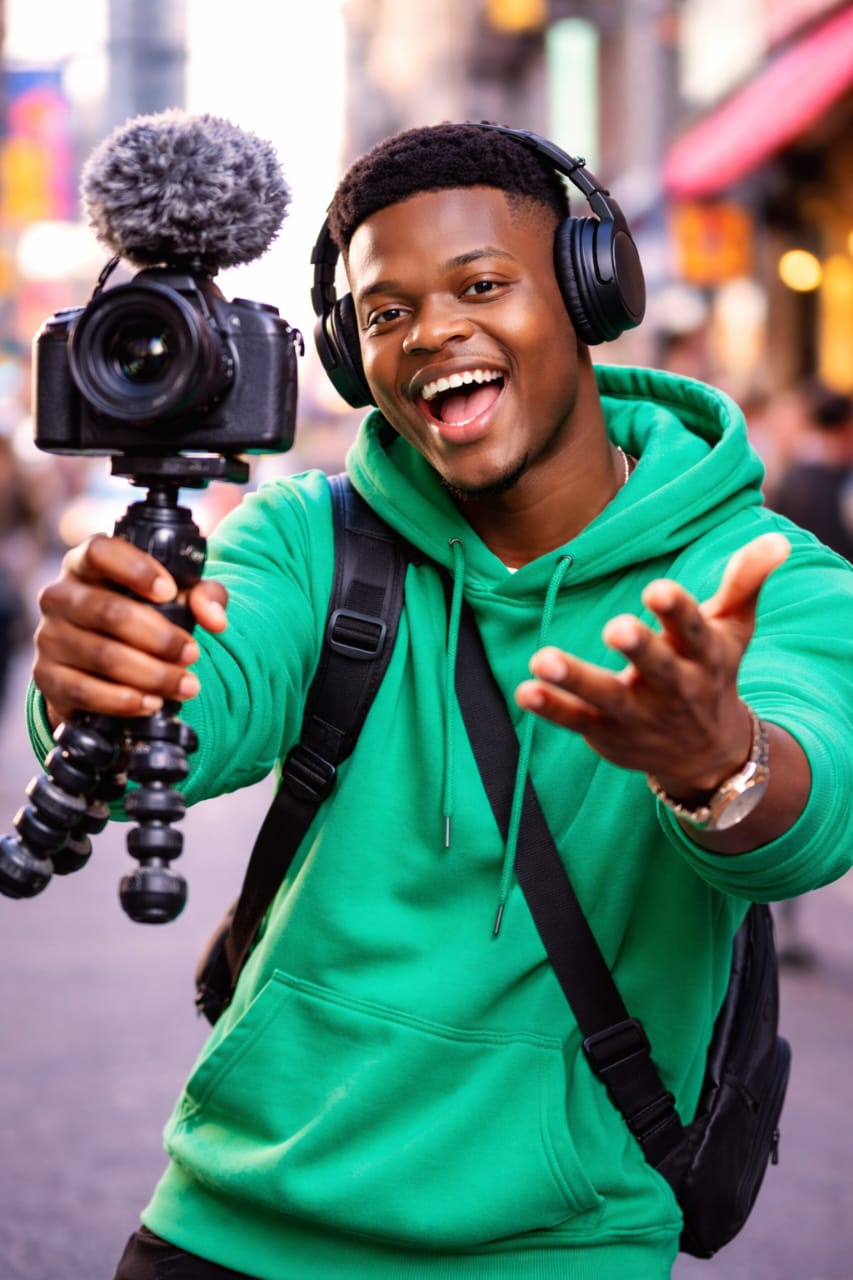
The rise of influencers also reflects broader changes in Kenya’s creative economy. High youth unemployment and widespread smartphone access have turned content creation into a viable livelihood.
Young people who once dreamed of record deals now aim for viral videos, brand partnerships, and digital entrepreneurship. Success is no longer defined by radio airplay but by views, shares, and engagement.
As Kenyan entertainment evolves, one truth is clear: influence is the new currency. Those who understand their audience, adapt quickly, and stay authentic will continue to thrive.
Influencers have not just outsmarted musicians — they have redefined what it means to be a star in Kenya’s digital age.



Comments 0
Sign in to join the conversation
Sign In Create AccountNo comments yet. Be the first to share your thoughts!