Ruth K, a popular content creator with 723,000 TikTok followers, began her day with a regular morning routine before checking her email.
She discovered a message stating that she had qualified for TikTok verification, known as the blue bridge. Excited by the notification, she immediately shared the news with her brand manager.
Her manager referred to Ruth K as mama Calvin and praised her dedication, noting the significant work she had done to build the brand.
"Congratulations, Mama Calvin! You’ve really pushed this brand forward. You’ve been working hard, and I’m so happy for you. 2026 is going to be a big year more brands, more wins, more opportunities." Her manager said.
The Verification Request
Ruth K received a form to complete as part of the verification process. Soon after, she received a WhatsApp message from an account claiming to be the TikTok helpline.
The contact requested a code that had been sent to a specific email address. Ruth K noticed a red flag when the initial email address provided was incorrect. "Will you kindly share the call that tumetuma kwa email?" They caller asked.
ALSO READ: Ruth K Opens Up on Painful Ordeal as Her Son Cries Nonstop for Eight Days
The contact quickly sent a second message with the correct email address, which raised further suspicion. Despite her concerns, she considered proceeding and asked if sharing the code via WhatsApp was safe.
The contact replied that the verification process could be canceled if she had trust issues.
Request for Multiple Codes
Worried about losing the verification opportunity, Ruth K initially sent the requested email code.
Shortly afterward, the contact asked for a second code sent via SMS to her phone. At this point, Ruth K recognized that her account was at risk of being stolen.
She reflected on the years she had spent growing her platform and decided to take immediate action.
Identifying the Security Breach
Ruth K checked the list of devices logged into her TikTok account. She found her iPhone 16 Pro Max listed but also noticed an unauthorized iPhone 11 had been added.
She immediately logged out the unknown device and refused to provide the SMS verification code. When confronted, the individual began sending automated messages.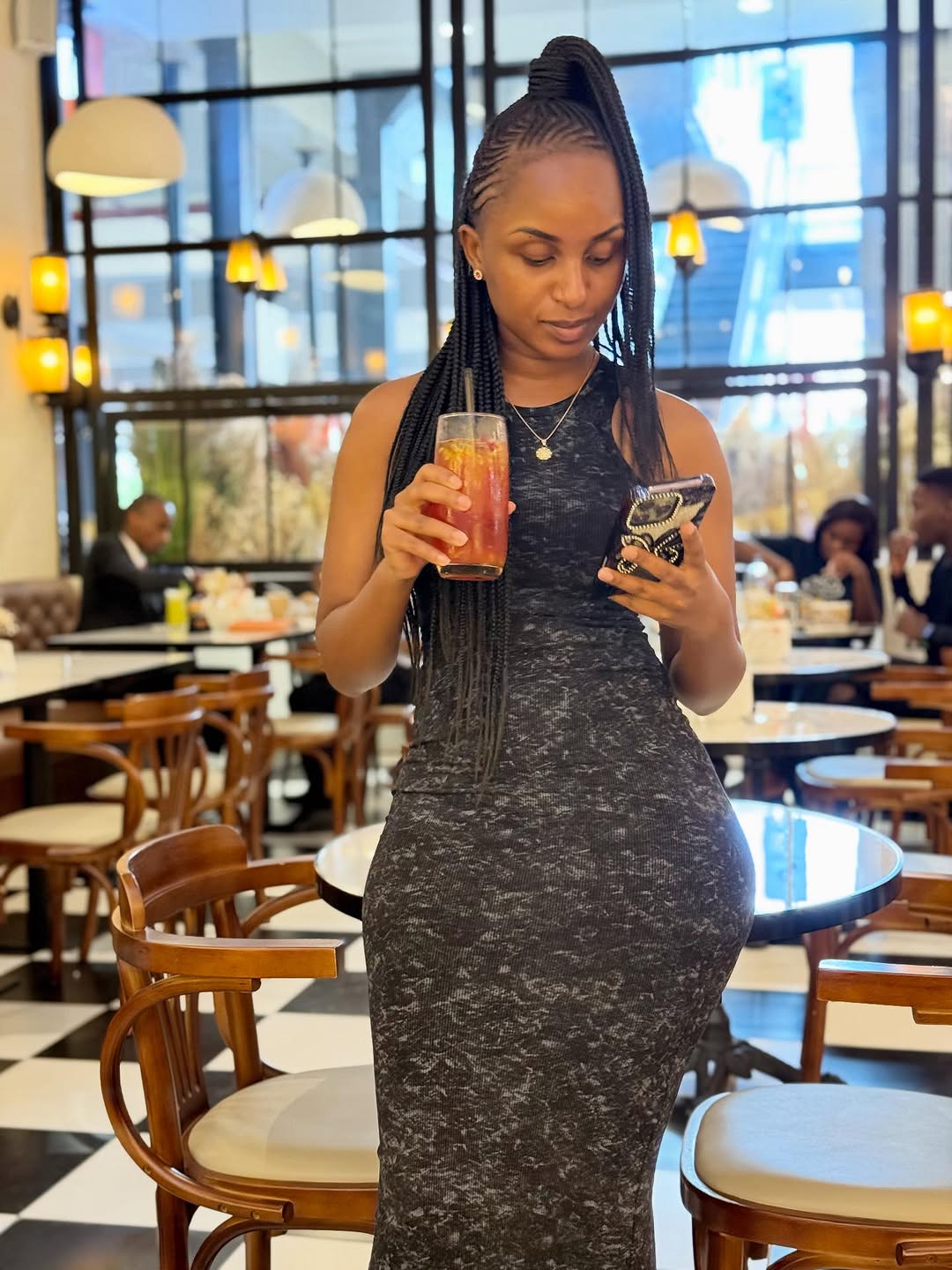
Advice for Other Creators
She highlighted the tactics used in such scams, including requests for codes via WhatsApp and impersonation of official support channels.
Ruth K emphasized the importance of remaining alert to potential security threats to protect accounts and the work invested in building a brand. "Usitokwe account manzee na venye kugraw si rahisi,'' she emphasized.
She encouraged other creators to carefully verify requests before providing any account information or verification codes.