In the ongoing debate over the privatisation of State-Owned Enterprises (SOEs), the Kenya Pipeline Corporation stands at a national crossroads. As the government seeks to raise about Sh100 billion to ease fiscal pressure, the proposal to float a majority stake on the Nairobi Securities Exchange has met fierce resistance.
A constitutional petition has been filed at the High Court to stop the proposed privatisation of Kenya Pipeline Company Limitedand other strategic state-owned enterprises. Since this matter can be considered to be sub-judice, my interest only lies in the economic aspects of the planned privatisation.
Last July the government, through the National Treasury, published a Sessional Paper on the Privatisation of KPC through an initial public offering on the Nairobi Securities Exchange. The argument is that privatisation allows a transparent price discovery mechanism provided by the capital markets framework that will greatly increase available investment instruments, hence, enhance fiscal and macro stability.
This mechanism, it is also argued, will provide an equal opportunity for all investors and that safeguards can be put in place to give preferential treatment to Kenyans during the IPO, thereby strengthening public confidence in the privatisation process.
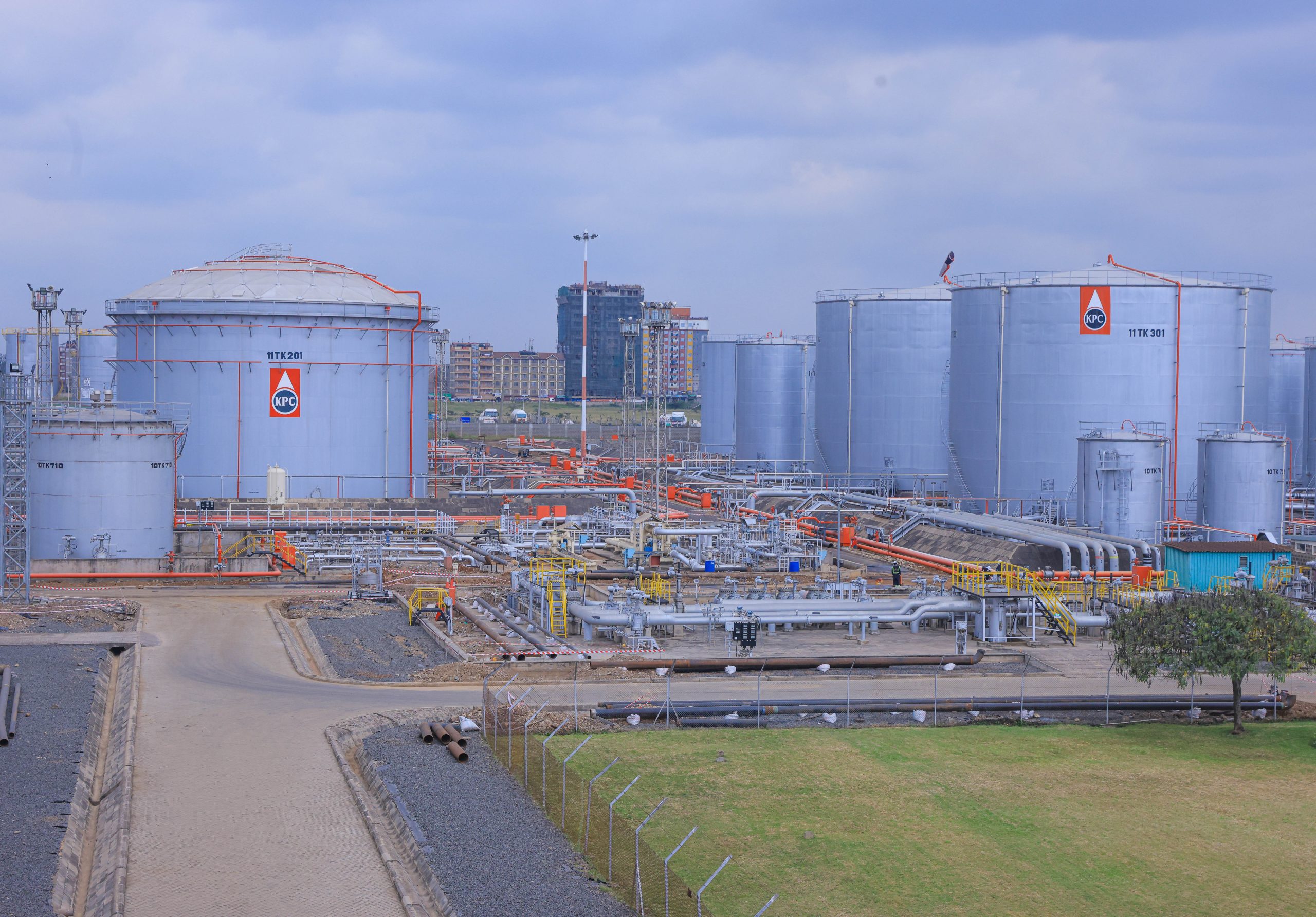
While the need for capital is undeniable, selling KPC - a profitable, strategic natural monopoly - risks sacrificing long-term national security for short-term balance sheet relief. The primary argument for keeping KPC under state control is National Energy Security. KPC is the backbone of East Africa’s fuel supply chain. Under the Energy Act, it is designated as critical infrastructure.
Transitioning this control to private, potentially foreign interests, introduces the risk of ‘profit-first’ decision-making, which could lead to service disruptions or price manipulation in a sector that dictates the cost of living for every Kenyan.
Furthermore, KPC is a high-performing asset. In the 2023-24 financial year, it reported a pre-tax profit exceeding Sh10 billion and remitted Sh7 billion in dividends to the Treasury. Selling a company that already contributes significantly to the exchequer is, as critics argue, ‘killing the goose that lays the golden eggs’.
There are global lessons that can be learnt about the risks associated with hasty and rushed partial or total divestiture of critical SOEs. International history serves as a cautionary tale. In the 1990s, Argentina fully privatised its state oil entity, YPF, only to be forced into a costly re-nationalisation in 2012 to reclaim control over energy resources after years of mismanagement.
Similarly, Brazil’s sale of gas pipelines (NTS) resulted in an estimated $1.16 billion loss due to flawed valuation models and exchange rate risks. These examples highlight that once a strategic monopoly is sold, the government loses its primary lever for price stabilisation and energy sovereignty.
Is there a third-way or other hybrid models that can be considered to free up capital? Absolutely. The government can unlock capital without surrendering control of KPC . A hybrid approach can ensure that KPC remains a public asset while behaving with private-sector efficiency.
To this end, I proffer here possible recommendations that are certainly not exhaustive but can be adopted to increase efficiency and raise capital for future KPC projects.
The ‘Golden Share’ IPO: If the government proceeds with an NSE listing, it should retain a ‘Golden Share’. This legal mechanism grants the state veto power over strategic decisions, such as foreign takeovers or the sale of core assets, ensuring that national interests remain paramount, even with private shareholders.
Infrastructure Bonds: Instead of selling equity, KPC can issue Project-Specific Bonds. These would allow Kenyans to invest in pipeline expansions with guaranteed returns, raising capital for the Treasury while keeping 100 per cent of the ownership in public hands.
Public-Private Partnerships (PPPs): For new projects, such as the proposed extension to Western Kenya or modernised storage, KPC should use the World Bank-backed PPP framework. Private firms provide the CAPEX or Capital Expenditure, and KPC provides strategic oversight.
Asset Concessions (Leasing): Kenya could adopt the concession model. The state would retain ownership of the pipes but ‘lease’ the operation of specific terminals to private firms for 15 to 20 years. This generates immediate upfront cash for the government while ensuring the assets eventually return to the state.
The government can also look inwardly for alternative revenue streams to free up capital without touching KPC.
Plugging leakages: Estimates suggest Kenya loses billions annually to corruption and inflated procurement. Strengthening of the existing anti-corruption and economic crime institutions to recover stolen assets is a non-dilutive way to raise funds.
Efficiency reforms: Hiring a professional, non-political management team ¾ similar to the corporate turnaround seen at Safaricom - can boost KPC’s profitability even further, increasing annual dividends without selling a single share.
In conclusion, KPC is more than a commercial entity; it is a strategic shield for the Kenyan economy. Privatisation may provide a temporary fiscal cushion, but the long-term risks to energy security and the loss of a profitable revenue stream are too high. By adopting hybrid financing models and infrastructure bonds, the government can satisfy its need for capital while ensuring that the pulse of the nation remains in the hands of its people.
Ogwang is a petroleum and energy economist