For much of the post-independence era, Africa’s engagement with external powers followed a familiar pattern: aid flowed in, consultants flew out and structural transformation remained elusive. Decades of assistance helped address emergencies but rarely altered the productive foundations of African economies.
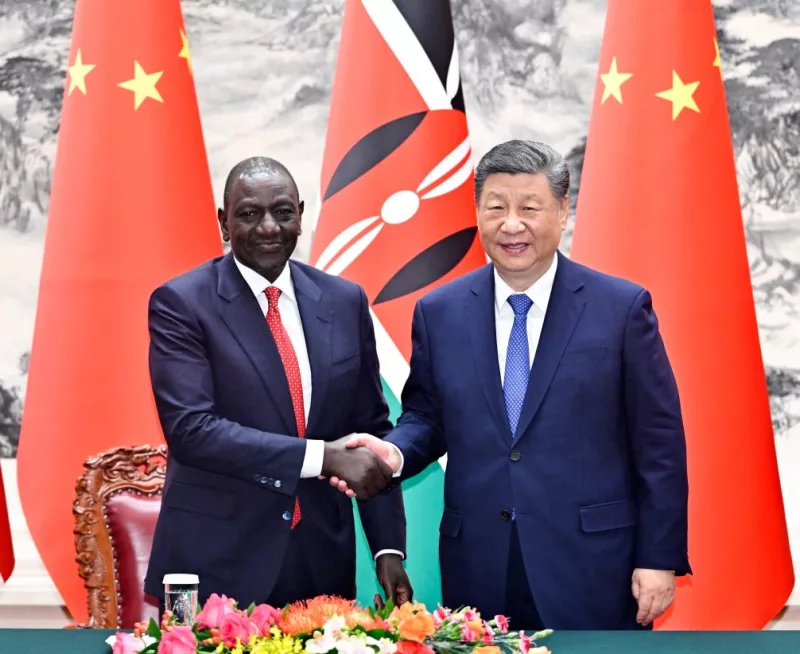
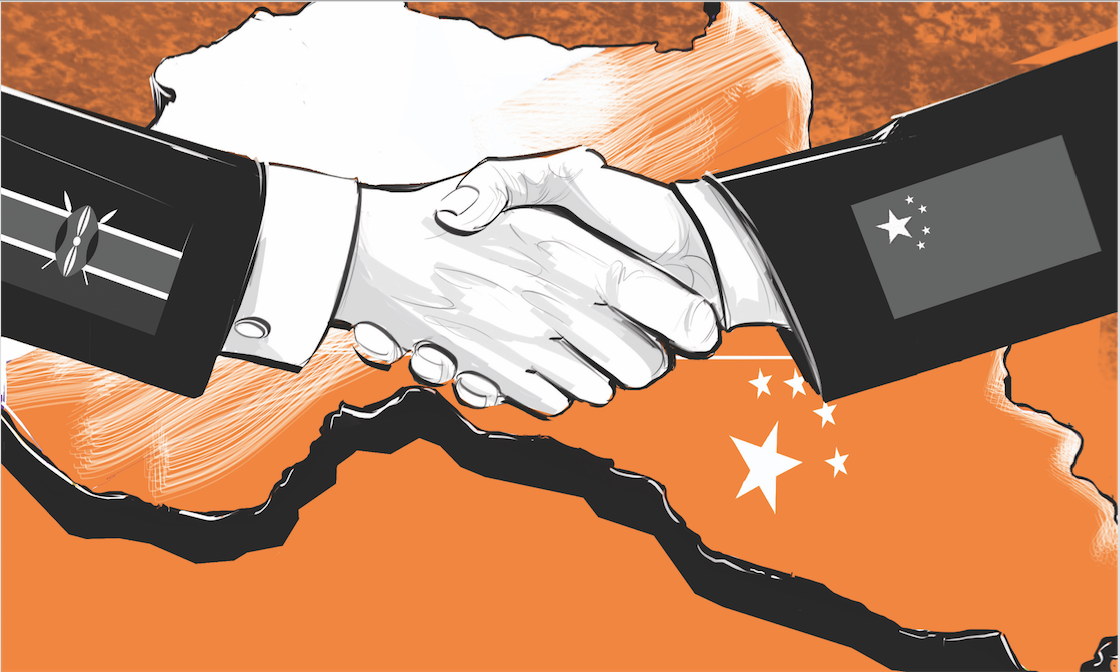
Today, however, a noticeable shift is underway. China–Africa relations are increasingly defined not by aid dependency, but by a partnership centered on industrialisation, trade and long-term economic capability.
China’s engagement with Africa did not begin with a grand ideological vision; it evolved through shared development experience. Only a few decades ago, China itself grappled with widespread poverty, weak infrastructure and limited industrial capacity.
Its development path—anchored in manufacturing, export-led growth and massive infrastructure investment—offers lessons that resonate strongly with African aspirations. This historical proximity gives China a credibility that many traditional partners struggle to match.
Unlike aid-driven models that prioritise consumption and short-term relief, China’s approach emphasises production. Industrial parks, special economic zones, manufacturing hubs and logistics corridors have become central features of China–Africa cooperation.
From textiles and leather processing to assembly plants and agro-processing facilities, these investments aim to embed value addition within African economies rather than exporting raw materials indefinitely. The significance of this shift cannot be overstated: industrialisation is the bridge between growth and development.
Infrastructure has played a foundational role in this transition. Roads, railways, ports and power projects financed and built with Chinese participation have reduced transaction costs and connected previously isolated regions to markets.
While critics often focus narrowly on financing terms, the broader economic logic is clear. Without infrastructure, industrialisation stalls. By addressing these structural bottlenecks, China has helped lay the groundwork upon which African entrepreneurship and manufacturing can grow.
Equally important is the role of skills and technology transfer. Chinese-backed projects increasingly incorporate training programmes, local hiring and technical partnerships. African engineers, technicians and managers are gaining exposure to large-scale industrial operations—experience that cannot be imported through aid.
Over time, this human capital accumulation matters more than any single project. It creates a domestic base of expertise capable of sustaining growth beyond external involvement.
Trade patterns further illustrate the changing nature of the relationship. While Africa continues to export commodities to China, there is a gradual diversification underway. Manufactured goods, processed agricultural products and intermediate inputs are entering the mix.
At the same time, Chinese firms relocating segments of their supply chains to Africa are responding to rising costs at home and opportunities abroad. This relocation, if managed strategically, can accelerate Africa’s integration into global manufacturing networks.
China’s financing model also differs from traditional aid in important ways. Loans tied to productive assets—railways, power plants, industrial facilities—are structured around the expectation of economic return.
This creates pressure for viability and performance, encouraging governments to think in terms of sustainability rather than perpetual assistance. While debt management remains essential, framing all Chinese finance as predatory overlooks the agency of African states and the developmental logic behind these investments.
Perhaps the most underappreciated aspect of China–Africa relations is the shift in mindset it encourages. Partnership implies mutual benefit, negotiation and responsibility. It moves African countries away from the psychology of recipients toward that of economic actors. This change in posture influences how governments plan, how businesses invest and how citizens perceive development—not as charity, but as collective effort.
Critics are right to demand transparency, environmental responsibility and strong governance in all development partnerships, including those with China. These are legitimate concerns.
But critique should not obscure progress. The narrative that Africa is merely being exploited ignores the tangible industrial capacity emerging across the continent and the strategic choices African governments are making to leverage new opportunities.
In a global economy marked by uncertainty and shifting power centres, Africa cannot afford to rely on outdated models. The continent’s demographic growth demands jobs, skills and productive industries at scale. China’s engagement, with its focus on building rather than prescribing, aligns closely with this imperative.
The evolution of China–Africa relations from aid dependency to industrial partnership is not a finished story, but its direction is clear. It reflects a maturing relationship grounded in shared interests and pragmatic cooperation.
For Africa, the value lies not in choosing China over others, but in embracing partnerships that prioritise production, dignity and long-term transformation. In that sense, China’s role is less about influence and more about enabling Africa to finally industrialise on its own terms.