The new year is meant to arrive softly, carrying with it hope, laughter and the fragile promise of better days. In Utange, Mombasa county, 2026 did not come gently. It arrived with gunfire, rain and a grief so heavy it has broken a family beyond words.
On that night, a 14-year-old boy named Dennis Ringa – someone’s son, someone’s brother, a child with dreams still forming – was shot and killed by police as he celebrated the coming of the new year with his siblings and village friends.
Dennis was only 14. Fourteen is an age of beginnings – school books filled with possibilities, friendships that feel like forever, a future imagined in broad, hopeful strokes. For Dennis, that future was already taking shape. He was a bright student who had just sat his Grade 6 national examination, the Kenya Primary School Examination Assessment. His family was waiting anxiously for his results. They never came. Instead, what arrived was a phone call, cries in the night and the shattering knowledge that their boy would never come home again.
His mother remembers the last moments she shared with him with a pain that words can barely contain. She had been with Dennis just minutes before the shooting. Past midnight, after they counted down the new year, she left him outside to go lie down. “Dennis was laughing and celebrating with his siblings and friends”, she recalled. There was nothing unusual, nothing threatening. Just children welcoming a new year, as children everywhere do. Dennis was safe, she believed. Dennis was happy.
A short while later, her sleep was torn apart by screams and wails cutting through the rain-soaked night. Voices shouted Dennis’ name. Feet ran. Panic spread like wildfire. Then the words that no parent should ever hear reached her ears: “Dennis has been shot. Dennis is dead”.
She ran. Barefoot, breathless, heart racing faster than her legs could carry her, she rushed toward the scene. Rain poured from the sky, as if even the heavens were mourning. When she arrived, what she found will haunt her for the rest of her life. Her 14-year-old boy lay on the ground, lifeless, his small body drenched in rainwater. The child she had kissed goodnight only moments before was gone. No explanation. No warning. Just silence where his laughter should have been.
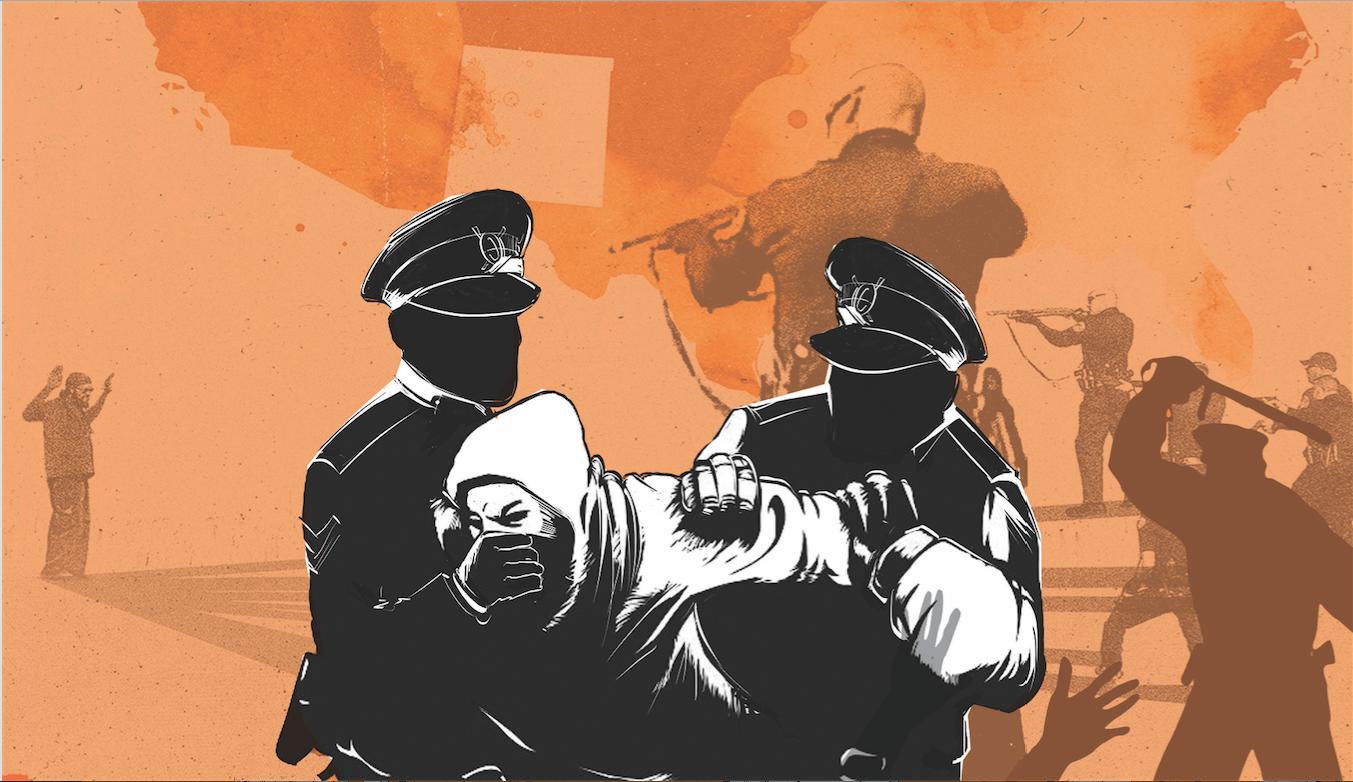
An eyewitness to the killing recounts a chilling sequence of events. According to their account, police officers arrived and opened fire without provocation. There was no chaos that warranted bullets, no threat that justified such force. Only children and villagers relaxing after celebrating the new year. When the officers realised they had killed someone, one of them allegedly uttered words that reveal a horrifying disregard for human life: “Mbwa huyu, twende zetu. Nguruwe tushamaliza (This dog, let’s go. We’ve finished this pig.”
Those words are not just an insult; they are an indictment. They speak of a system that dehumanises, that sees certain lives as disposable, that can walk away from the body of a child without remorse. Dennis was not a “dog” or a “pig”. He was a son. He was a student. He was hope made of flesh for a family that had so little but believed in education as a way out of poverty.
In a postmortem conducted this week on Monday, which was witnessed by VOCAL Africa and IMLU, the pathologist confirmed that Dennis was shot from the back with the bullet exiting on the front above the collar bone. This finding confirms that Dennis was not a threat to the shooter, which can mean he was killed needlessly.
Dennis’s family is already poverty stricken. Like many families across Kenya, they survive day to day, holding on through resilience and faith. Dennis represented something more – a chance that tomorrow could be different. His intelligence and dedication in school were a source of pride and expectation. He was the one they believed might one day lift the family from hardship. That hope was extinguished in a matter of seconds.
Now, in the aftermath of this senseless killing, the family faces another cruel reality: they are struggling to even afford funeral costs. Grief has been compounded by desperation. No parent should have to bury a child, and no grieving family should have to beg to do so with dignity.
As Kenyans, we cannot bring Dennis back. However, we can refuse to look away. We can stand for justice with his mother, with his siblings, with a family whose world has collapsed. Further, we can help them lay their child to rest with dignity and send a message that Dennis’s life mattered.
Members of the public who are able to contribute toward funeral expenses are kindly requested to send any support directly to Dennis’s mother, Nancy Kwekw,e on 0798-632-012. In doing so, we honour a life stolen too soon and affirm, in the face of cruelty and injustice, our shared humanity.
Chief executive officer, VOCAL Africa