Christmas movies are not just seasonal entertainment; they are cultural touchstones that have shaped values, family traditions, and even national identity across generations.
From post-war optimism to millennial mischief, these films reflect the evolving spirit of the holidays while anchoring audiences in timeless themes of hope, redemption, and togetherness.
Even with Hallmark’s clichéd plots and familiar storylines, these movies continue to draw audiences of all kinds into the Christmas spirit.
The golden era: 1940s–1960s — morality, redemption, and post-war healing
It’s a Wonderful Life (1946) is arguably the most influential Christmas film of all time.
Released just after World War II, Frank Capra’s tale of George Bailey, a man on the brink of despair who learns the value of his life through divine intervention, offered a powerful message of hope and community.
Its themes of sacrifice, interconnectedness, and moral integrity resonated deeply with a generation recovering from global trauma.
Miracle on 34th Street (1947) followed closely, blending legal drama with childlike wonder.
By placing Santa Claus on trial, the film cleverly explored faith, consumerism, and belief in the intangible.
It helped solidify the idea that Christmas was not merely about gifts, but about trust and imagination.
Together, these films set the tone for Christmas cinema as a genre rooted in moral clarity and emotional catharsis.
They became staples of annual broadcasts, embedding themselves into family rituals and shaping the collective memory of the holiday season.
The family-centric boom: 1970s–1980s — nostalgia and new traditions
The 1970s and 1980s marked a shift toward animated specials and family-friendly fare that emphasised warmth and nostalgia.
A Charlie Brown Christmas (1965), though technically earlier, gained renewed traction during this era through repeated television airings.
Its minimalist animation and jazz score, paired with Linus’s recitation of the Nativity story, offered a quiet counterpoint to commercialism.
Rudolph the Red-Nosed Reindeer (1964) and Frosty the Snowman (1969) became iconic through stop-motion animation and catchy songs.
These specials taught children about acceptance, friendship, and perseverance, while reinforcing the magical elements of Christmas folklore.
By the 1980s, the genre expanded with A Christmas Story (1983), a nostalgic look at 1940s childhood through the lens of Ralphie’s quest for a Red Ryder BB gun.
Its quirky humour and relatable family dynamics made it a cult classic, while its annual 24-hour television marathons turned it into a generational rite of passage.
The blockbuster era: 1990s — mischief, mayhem, and modern family values
The 1990s ushered in a new wave of Christmas films that blended slapstick comedy with heartfelt lessons.
Home Alone (1990) redefined the genre by turning a child’s accidental abandonment into a hilarious and touching adventure.
Kevin McCallister’s booby traps and solo survival became iconic, but the film’s deeper message about family reconciliation and holiday loneliness resonated with audiences worldwide.
The Santa Clause (1994) introduced a modern mythology around Santa’s succession, blending corporate cynicism with magical realism.
Tim Allen’s transformation from a self-centred father to the embodiment of the Christmas spirit reflected the era’s emphasis on personal growth and fatherhood.
Jingle All the Way (1996) satirised the commercialisation of Christmas, with Arnold Schwarzenegger battling crowds in pursuit of a Turbo Man doll.
It captured the frenzy of holiday shopping and the pressure parents face to deliver joy, offering both humour and critique.
Together, these films mirrored the complexities of modern family life, from divorce to consumerism, while still affirming the importance of love, generosity, and togetherness.
The sentimental revival: 2000s–2010s — diversity, romance, and global appeal
The turn of the millennium ushered in a more diverse and emotionally nuanced approach to Christmas storytelling.
Love Actually (2003) wove together multiple narratives of love, loss, and longing during the holiday season.
Its ensemble cast and British charm made it a global hit, while its portrayal of romantic, platonic, and familial relationships expanded the emotional palette of Christmas cinema.
Elf (2003) revived childlike wonder with Will Ferrell’s portrayal of Buddy, a human raised by elves.
Its blend of absurdity and sincerity reminded audiences of the joy found in embracing one’s inner child, and its success helped reinvigorate the genre for a new generation.
The Polar Express (2004) used groundbreaking animation to explore belief and imagination.
Based on the beloved children’s book, it emphasised faith, not only in Santa, but in oneself and the magic of possibility.
These films reflected a more globalised and emotionally complex world, where Christmas was not just about tradition, but about connection in all its forms.
Streaming and sentiment: 2020s — inclusivity, innovation, and comfort
With the rise of streaming platforms, Christmas movies have become more accessible and more diverse.
Hallmark and Netflix now produce dozens of holiday films annually, catering to a wide range of audiences.
While many follow predictable romantic formulas, they also offer increased representation, featuring interracial couples, LGBTQ+ characters, and non-Western traditions.
A Madea Christmas (2013) sees Madea roped into helping a friend surprise her daughter for the holidays, leading to a chaotic trip to a rural town where secrets, family tension, and cultural clashes unfold, alongside plenty of laughs and lessons.
Tyler Perry’s Madea franchise brings African American family dynamics, humour, and faith into the holiday genre.
It is loud, loving, and unapologetically rooted in Black Southern traditions, offering representation and relatability for audiences often sidelined in mainstream Christmas films.
Klaus (2019), a hand-drawn animated film on Netflix, reimagined the origin of Santa Claus through a story of friendship and redemption.
Its artistry and emotional depth earned it an Academy Award nomination, proving that innovation and heart can coexist.
Jingle Jangle: A Christmas Journey (2020) brought Afrofuturism to the holiday genre, featuring a Black-led cast, musical numbers, and themes of invention and legacy.
It marked a significant step toward inclusivity and cultural richness in Christmas storytelling.
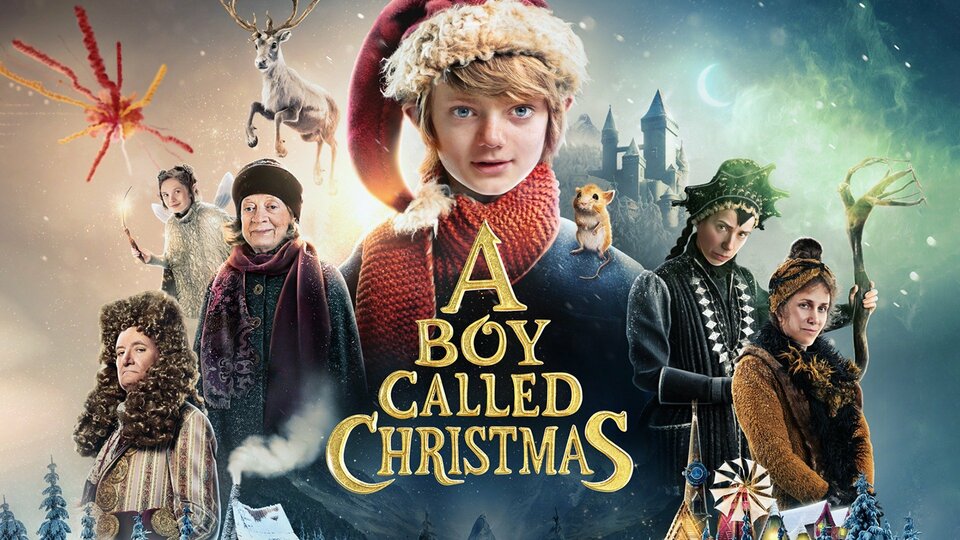
A Boy Called Christmas (2021) unfolds as Aunt Ruth, played by Maggie Smith, tells a tale to her grieving nieces and nephews on Christmas Eve.
In the story, young Nikolas lives in the snowy forests of Finland with his father.
After his father joins a royal expedition to find the mythical village of Elfhelm, Nikolas embarks on his own journey, accompanied by a talking mouse and a reindeer named Blitzen.
Along the way, he discovers magic, courage, and the enduring power of hope.
Love Hard (2021) follows a dating app romance that goes hilariously wrong when a woman flies across the country for Christmas, only to discover she has been catfished.
The film is a modern romantic comedy that plays with online dating tropes, cultural identity, and the search for authenticity.
The Noel Diary (2022) centres on Jake Turner, a successful but emotionally distant author who returns to his childhood home after his estranged mother’s death.
While sorting through her belongings, he discovers a diary that leads him to Rachel, a woman searching for her birth mother.
Together, they unravel family secrets and confront their pasts during a snowy Christmas season.
Spirited (2022) offers a bold, Broadway-style reimagining of A Christmas Carol.
Told from the ghosts’ perspective, particularly that of the Ghost of Christmas Present, the film explores purpose and redemption after the spirit encounters a cynical public relations executive.
Packed with original songs, energetic dance numbers, and sharp wit, it blends spectacle with emotional depth.
The film centres on growth and redemption in a way that resonates with younger, more sceptical audiences, while breaking genre boundaries by merging musical theatre with holiday comedy.
Three Wise Men and a Baby (2022) is a heartwarming Hallmark Christmas comedy that breaks the mould by focusing on brotherhood, personal growth, and unexpected caregiving.
Three estranged brothers with contrasting personalities are unexpectedly tasked with caring for an abandoned baby during the Christmas season.
As they navigate diapers, sleepless nights, and holiday chaos, they rebuild fractured relationships and rediscover the meaning of family.
The Holdovers (2023) follows a curmudgeonly teacher, a grieving cook, and a troubled student who are stranded at a New England boarding school over Christmas break.
What begins as a bleak, snowbound situation becomes a quietly powerful story of healing and human connection.
The film redefines the Christmas genre by centring grief, loneliness, and found family, offering emotional realism over sentimentality.
Meet Me Next Christmas (2024) stars Layla Milian, who is determined to reconnect with the man of her dreams at a sold-out Pentatonix Christmas Eve concert in New York City.
As she races across the city to secure a ticket, she encounters romantic twists, comedic chaos, and festive surprises.
The film blends classic romantic comedy tropes with musical flair and urban holiday charm.
These newer films reflect the evolving demographics and values of global audiences, while continuing to honour core themes of generosity, hope, and magic.
Why these films matter: Cultural legacy and emotional resonance
Across generations, Christmas movies have served as emotional anchors and cultural mirrors.
They teach children about kindness, remind adults of the importance of family, and offer audiences a sense of continuity in an ever-changing world.
They also provide emotional refuge, offering predictable arcs of redemption, love, and reunion.
Whether it is It’s a Wonderful Life or The Holdovers, these films remind viewers that even in despair, connection remains possible.
Christmas movies also reflect evolving values.
From the traditional nuclear family in Home Alone to chosen families in Klaus, they mirror shifting social norms and increasingly inclusive storytelling.
Families often rewatch the same holiday films year after year, creating shared rituals and emotional continuity across generations.
Beyond entertainment, Christmas movies function as soft power.
Hollywood’s holiday films have global reach, shaping how Christmas is imagined worldwide, even as local filmmakers reclaim the genre through African, Asian, and Latin American perspectives.