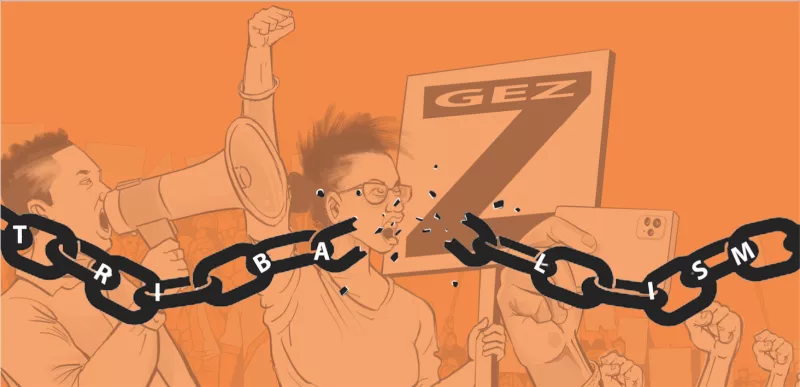
 Activists hold the constitution during a protest on December 9, 2025/LEAH MUKANGAI
A few months ago, Kenya marked 15 years of the constitution that was endorsed at a referendum and promulgated in August 2010. One of the most significant impacts of the constitution was the devolved system of governance, which changed the delivery of public service.
Devolution, however, goes beyond an administrative reorganisation. It is a fundamental reimagining of how national and county governments could work together to serve Kenyans more effectively. At its core, devolution recognises a simple truth: Different regions face different challenges, and local governments are often best positioned to understand and address them.
The constitution's framers carefully divided responsibilities between national and county levels, creating a partnership model whereby the national government outlines policy, develops standards and lets the county deliver most services.
The partnership between the national and county governments only works when both levels actively collaborate in policy development, as the latter is more closely connected to the people. The recent development of Kenya's National Policy on Alcohol and Drug Abuse by the National Authority for the Campaign Against Alcohol and Drug Abuse (Nacada) offers a telling case study of what happens when this collaborative model breaks down.
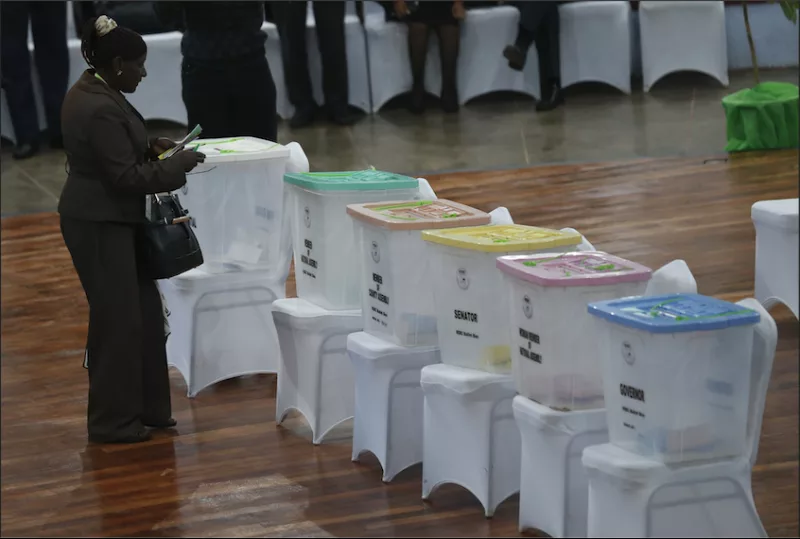
Alcohol regulation is a devolved function under the constitution, with liquor licensing the domain of the county liquor boards. This role is also clear in Gazette Notice number 16472 of 2024 that delineates National Government and County Governments’ roles on trade development and regulation. For over a decade, counties have been building regulatory systems, issuing licenses, conducting inspections and enforcing compliance. County liquor boards have developed deep knowledge of local markets, community concerns and effective enforcement strategies.
However, even as the Cabinet approved the new national alcohol policy in June 2025, it did so without the meaningful engagement of county governments. The technical committees that drafted the policy failed to include the county officials who would be responsible for implementing many of its provisions.
The policy proposes fundamental changes to how alcohol is regulated in Kenya. It includes new age restrictions, buffer zones around sensitive areas, limitations on where alcohol can be sold, and bans on certain distribution channels. These measures could directly affect county licensing systems, enforcement priorities and revenue streams.
The alcohol policy situation is not isolated. Across sectors, there is a recurring pattern in which national policies affecting devolved functions are developed with limited county engagement. When policies affecting devolved functions are developed without genuine county participation, problems arise.
Implementation becomes more difficult because the implementing agents were excluded from design discussions. Unintended consequences could emerge because local contexts were not adequately considered. Resource conflicts develop when policies impose mandates without corresponding budget allocations. Legal challenges surface when policies appear to override county authority.
Most fundamentally, the promise of devolution is undermined. If major policies affecting devolved functions can be developed and approved without county input, then the constitutional division of responsibilities becomes meaningless. When the national government needs to develop policy affecting devolved functions, early and meaningful county engagement should be standard practice, not an optional courtesy.
Addressing substance abuse is a legitimate concern that requires coordinated national action. The question is not whether Kenya needs alcohol regulation. The question is how that regulation can be developed and implemented most effectively within a devolved system.
Devolution was one of the most significant constitutional reforms in Kenya's history. It promised a government that is more responsive, more accountable, and more effective because it is closer to the people it serves. Fifteen years on, that promise is still unfolding.
Making devolution work requires cultivating a culture of genuine partnership between national and county governments. It means understanding that the expertise counties have developed is not a challenge to national authority, rather, it is a national asset.
The alcohol policy situation is an opportunity to demonstrate that Kenya's intergovernmental system can self-correct. While Nacada has gone quiet since the launch and publicisation of the policy, it has shown through collaboration with the law enforcement agencies, county governments and communities that it can take action to curb illicit alcohol in the right way.
Over the last three months, the authority has led raids and crackdowns that have netted criminals, counterfeiters and illicit alcohol traders who have hurt communities.
It is partnerships like these that will yield fruits in the fight against illicit alcohol. It is in partnership with county governments that Nacada will help develop actionable policies that curb bad alcohol rather than limit the legitimate alcohol in the market.
Julius Owino is chairman of Caucus of County Liquor Licensing and Control Boards