 Santa presenting gifts to children. AI Illustration
Each festive season, the public space fills with images of generosity. Individuals distribute Christmas gifts to the poor, visit children’s homes and make donations, often accompanied by cameras, captions and public applause. While giving is in itself a noble act, the growing tendency to publicise charity raises questions about motive and meaning. When generosity is staged for visibility rather than discretion, it risks becoming performative rather than principled.
Christian teaching is clear on this matter. In the Sermon on the Mount, Jesus cautions against giving in order to be seen, reminding believers that charity should be offered quietly and without expectation of reward. The message is that giving is an act of conscience and compassion, not a tool for self-promotion or public acclaim.
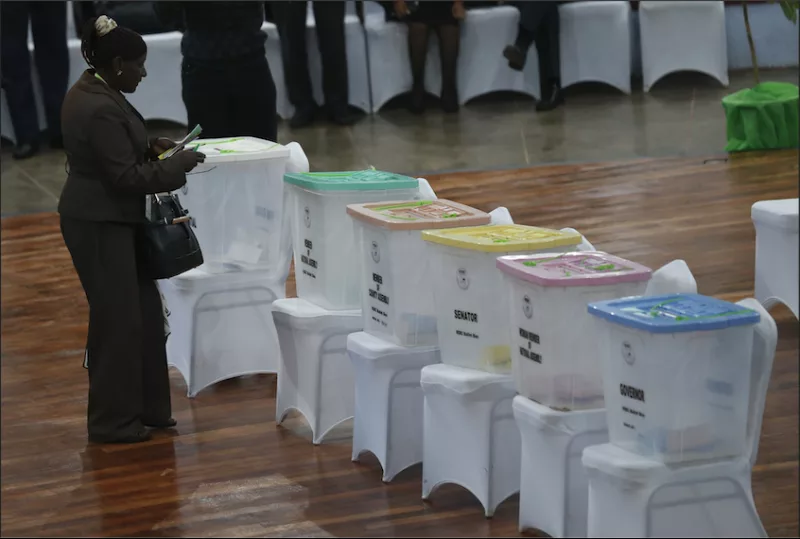
This distinction is important as Kenya approaches the 2027 General Election. Acts that appear benevolent, whether festive donations or campaign season hand-outs, often blur into political theatre. When generosity becomes transactional or reputational, it loses its moral force and distorts public expectations of leadership.
As the country moves closer to the next electoral cycle, citizens should recalibrate what they expect from those seeking public office. Rather than accepting personal inducements, voters should insist that any resources deployed by aspirants be channelled towards visible projects of public benefit. If candidates have funds at their disposal, those resources would serve the public interest better if directed towards water reticulation, boreholes, access roads, school infrastructure, or structured support for vulnerable learners through transparent mechanisms. Citizens should decline direct cash hand-outs and instead demand development outcomes that benefit communities.
This approach shifts political engagement from promises to performance. Both incumbents and first-time aspirants must be prepared to demonstrate what they have already delivered, whether in public office, professional life, business, or civic service. Leadership should be assessed on evidence, not intention. What is required is a clear account of results achieved, problems solved and public value created.
The year 2026 will be decisive. Historically, the period preceding a general election is marked by intensified political mobilisation and a sharp escalation in spending. It is also the phase when informal and opaque financial flows begin to circulate more freely. Without early institutional vigilance, this environment creates incentives for corruption, distorts political competition and weakens public trust long before ballots are cast.
Of particular concern is the normalisation of excessive campaign expenditure that bears little relationship to known and lawful sources of income. Money deployed during campaigns is rarely neutral. It often represents an advance on future access, influence, or preferential treatment once power is attained. This dynamic entrenches a political economy in which elections are treated as investments to be recovered through procurement abuse, regulatory capture, or misuse of public resources.
Government agencies must therefore act early and decisively throughout 2026. Institutions responsible for financial intelligence, revenue administration, anti-corruption enforcement, procurement oversight and campaign finance regulation must intensify scrutiny of unexplained wealth, enforce disclosure requirements consistently and coordinate closely to identify illicit financial flows linked to political activity. Preventive action is essential, as post-election investigations rarely repair damage done to democratic legitimacy.
Citizens also carry a decisive responsibility. Accepting money during campaigns weakens accountability and lowers expectations of service delivery. It normalises the idea that leadership can be bought rather than earned. When votes are monetised, public interest is subordinated to short-term gain and poor governance becomes easier to excuse.
By refusing inducements and demanding tangible outcomes, citizens can alter the political incentive structure. Aspirants will be compelled to invest in projects that endure rather than gestures that fade. Communities will benefit from infrastructure and services that outlast election cycles. Leadership will be contested on competence, integrity and delivery.
The quality of the 2027 elections will be shaped well before polling day. If 2026 becomes a year of unchecked spending, weak oversight and public acquiescence, the consequences will be borne by institutions, public finances and democratic credibility. If institutions act with resolve and citizens insist on evidence of service and development, Kenya can move towards a more mature and accountable democratic culture.
Those seeking election in 2027 should therefore treat 2026 not as a season for publicised generosity, but as a year of quiet and credible service. Let them tell the people what they have done, not what they hope to do. Development delivered freely and transparently remains the most convincing campaign of all.