Minority, marginalised
and indigenous communities remain an essential yet often
under-recognised pillar of Kenya’s national development. Their importance was
brought into sharp focus during the celebration of the United Nations’
International Day for Minority and Indigenous Communities last week, which
coincided with the launch of Kenya’s National Policy and Strategy on Minority,
Marginalised and Indigenous Communities at State House, Nairobi. We were all
guests of President William Ruto. The moment marked both a symbolic and
practical commitment to inclusion at the highest level of government.
Our 2010 Constitution provides one of the strongest legal frameworks for the protection and inclusion of minority and marginalised groups in Kenya. Article 56 obligates the state to implement affirmative action programmes to ensure these communities participate fully in governance, education, employment and economic life. Article 27 guarantees equality and freedom from discrimination, Article 44 protects cultural rights, while Article 63 recognises community land — an issue of profound importance to indigenous peoples. These are being implemented and more are to be done as the marginalised communities are the majority. The national policy launched at State House seeks to make operational these constitutional provisions, translating long-standing promises into coordinated action across government institutions, counties, and development partners.
We, the minority and indigenous communities, make substantial contributions to Kenya’s economy. Pastoralist communities underpin the livestock sector, which supports millions of livelihoods and contributes significantly to food security and export earnings. Indigenous coastal and riverine communities sustain fisheries, tourism and maritime trade, while marginalised urban populations drive informal trade, transport and cross-border commerce that keeps local economies vibrant. As scholars and development practitioners, we have consistently highlighted the economic value of inclusion and contributed immensely to socioeconomic and political transformational agendas in Kenya and abroad. In research, policy engagement and community-based initiatives, we have contributed to shaping conversations on equitable development, access to opportunity, and the need to unlock the productive potential of communities long excluded from mainstream economic planning.
Socially, minority and indigenous communities are custodians of Kenya’s rich cultural diversity. Our languages, traditions, music, cuisines and indigenous knowledge systems strengthen national identity, social cohesion and intergenerational continuity. These communities have preserved sustainable practices in environmental management, conflict resolution, and communal support — practices that are increasingly relevant in the face of climate change and social inequality. It is important that they are fully recognised and mainstreamed in the government. There is a big lesson to learn.
As intellectual leaders, we have
played an important role in promoting education, cultural recognition and
dialogue, ensuring that diversity is seen not as a challenge, but as a national
asset - a contribution to the country
and good ambassadors abroad.
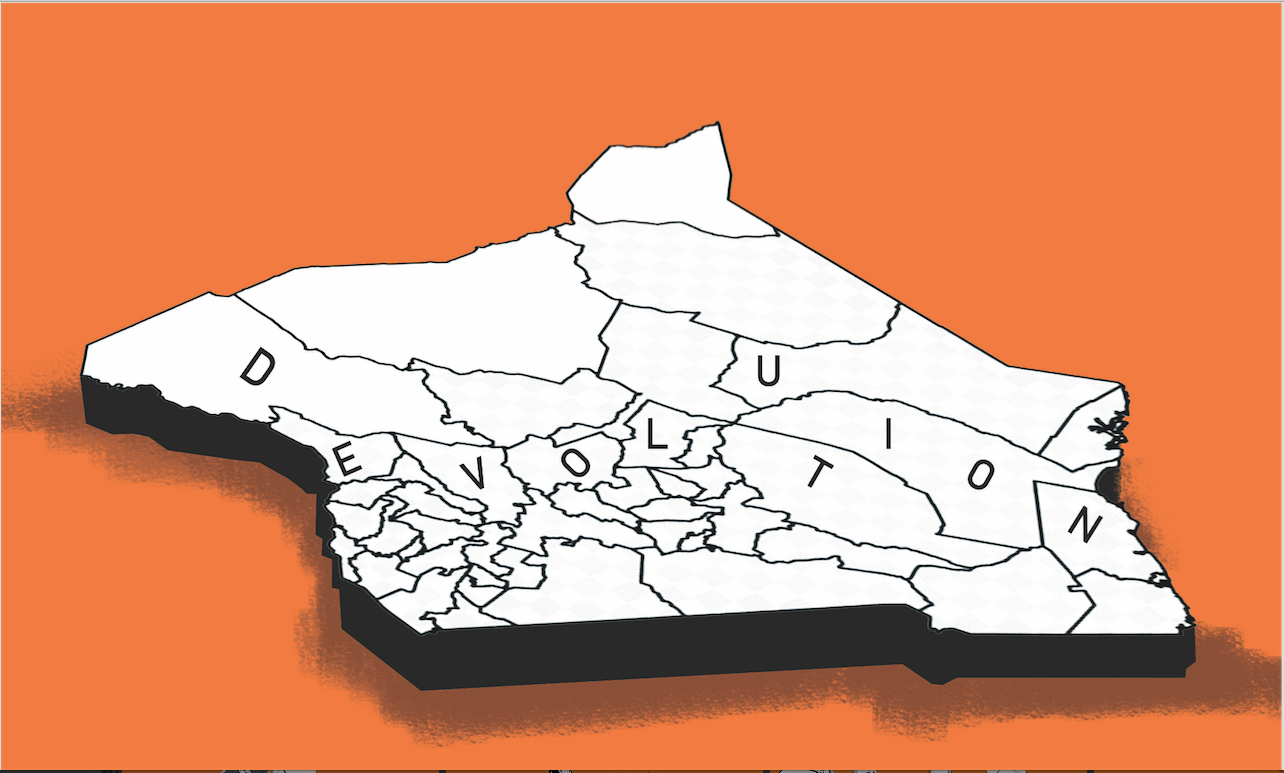
Politically, the inclusion of minority and marginalised communities is essential to a healthy democracy. The constitution’s emphasis on representation and devolution has expanded opportunities for participation at the county and national levels, allowing previously excluded voices to influence policy and development priorities. As the national government is addressing this matter, the county governments should do more.
Through scholarship, civic engagement and advisory roles, leaders from minorities have helped bridge grassroots realities with national policy processes, reinforcing constitutional values of equity, dignity, and social justice.
The annual United Nations’ International Day serves as a global reminder of the need to protect minority and indigenous rights and to recognise their contributions to sustainable development and peace. Kenya’s decision to mark this day alongside the launch of a national policy at State House sends a strong message of alignment between global human rights commitments and domestic constitutional obligations. We thank the President for accepting visitors in State House.
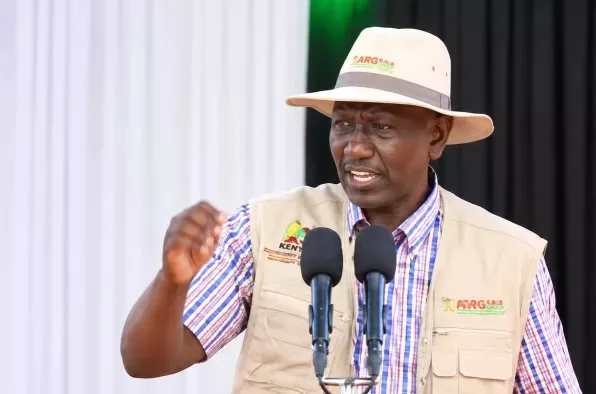
While the celebration and policy launch represent a significant milestone, the real test lies in implementation. Adequate funding, institutional coordination and sustained community participation will determine whether constitutional ideals translate into real change. I listened to Ruto’s speech, asking for all for support, including legislators and pledging to fully support the initiative, including having a commission and funding. I’m optimistic.
As Kenya moves forward, minority, marginalised and indigenous communities must continue to be recognised not merely as beneficiaries of policy, but as partners in nation-building. Their economic productivity, social resilience, cultural richness and political participation —championed by leaders — are indispensable to building a just, inclusive and prosperous Kenya. I look forward to making my contribution and positioning myself to taking Kenya to next economic and prosperity level.
The writer is the PS for Science, Research and Innovation, [email protected]