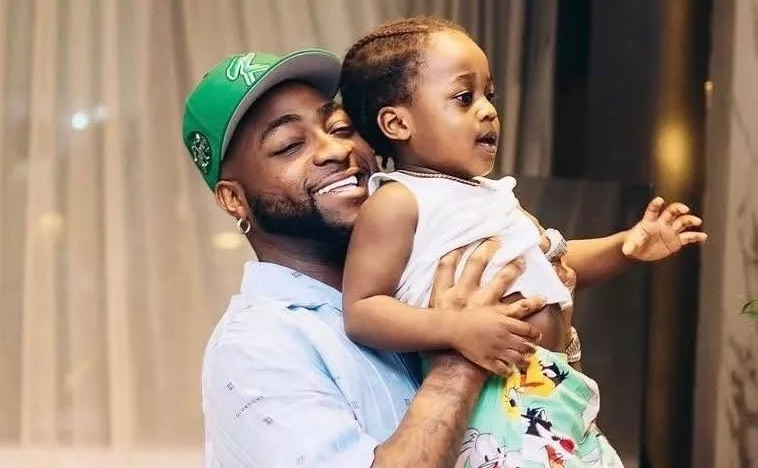
Hiram “Tash” Gitau’s ordeal following the death of his wife, gospel singer Betty Bayo, is not just a sad family dispute — it is a stark warning to men about the hidden dangers of marrying a single mother.
His situation reinforces my long-held belief that entering a blended family without firm boundaries and legal safeguards can place a man in an extremely vulnerable position — one that love alone cannot protect him from.
Since Betty’s passing on 10 November, Tash has been thrust into a storm involving the children’s welfare, questions about property, the biological father’s involvement, and a deeply protective maternal family.
These are not minor issues. They reveal a larger truth: marrying a single mother comes with embedded challenges that a man does not create, cannot control, and often cannot escape from (unless you refuse to play the game altogether).
Why Marrying a Single Mother Is Hard — The Warning Men Ignore
Stepping into a family where children already exist means stepping into an emotional ecosystem that was built long before your arrival. It comes with:
1. Emotional Histories You Did Not Shape
Children carry memories, loyalties, and hurts connected to their biological father. No matter how devoted the stepfather is, he enters the story halfway — and sometimes as an outsider.
2. Ongoing Bonds with the Biological Father
Even when separated, the biological father remains a permanent emotional and legal presence. His opinions, involvement, or conflicts automatically shape the family structure.
3. Maternal Family Loyalty to Their Bloodline
The maternal family’s loyalty is to the children and their lineage — not the new husband. This explains why Betty’s mother and relatives have taken such a strong position.
The Science Behind the Tension
Evolutionary biology and social science make something very clear: blended families come with built-in friction.
1. Natural investment in biological children
Human beings instinctively prioritise their own bloodline. A stepfather often has to “prove” himself in ways a biological father never would.
2. Maternal family protectiveness during crisis
When a mother dies, her family intensifies its protection of the children. This is what we are now seeing with Betty’s mother — a natural defensive instinct that places Tash in a difficult position.
3. Boundary ambiguity
Blended families often have overlapping roles: stepfather, biological father, maternal grandmother. When these boundaries blur, conflict is almost guaranteed.

Reality Check: My Non-Negotiables Were I to Ever Consider Marry a Single Mother
Tash’s situation has only strengthened my opinion. If I were ever to marry a single mother, certain conditions would be non-negotiable — not because of lack of love, but because of the harsh realities illustrated by this case:
1. The biological father must no longer be alive
A living ex-partner brings legal and emotional complications that can erupt at any moment — especially during tragedy. Removing this factor eliminates a major source of conflict.
2. Legal parentage must be changed before marriage
Adoption, legal guardianship, or a formal parentage order must be in place. Without it, a man risks investing years of emotional and financial effort in children he could legally lose overnight.
3. The maternal family must explicitly accept the new father
Not silently, not reluctantly — explicitly. If the matriarch and extended family do not accept the new husband as a true parent, conflict is only a matter of time.
4. The children must also be emotionally ready
Forced blending leads to resistance, mistrust, and long-term emotional strain.
Without these safeguards, a man is exposed — emotionally, financially, legally, and socially.
Conclusion
All things considered, after everything Tash poured into that home, I genuinely feel for him. Few pains are sharper than watching a man slowly pushed to the sidelines of a life he shared with someone he loved — especially after being with Betty for over half a decade.
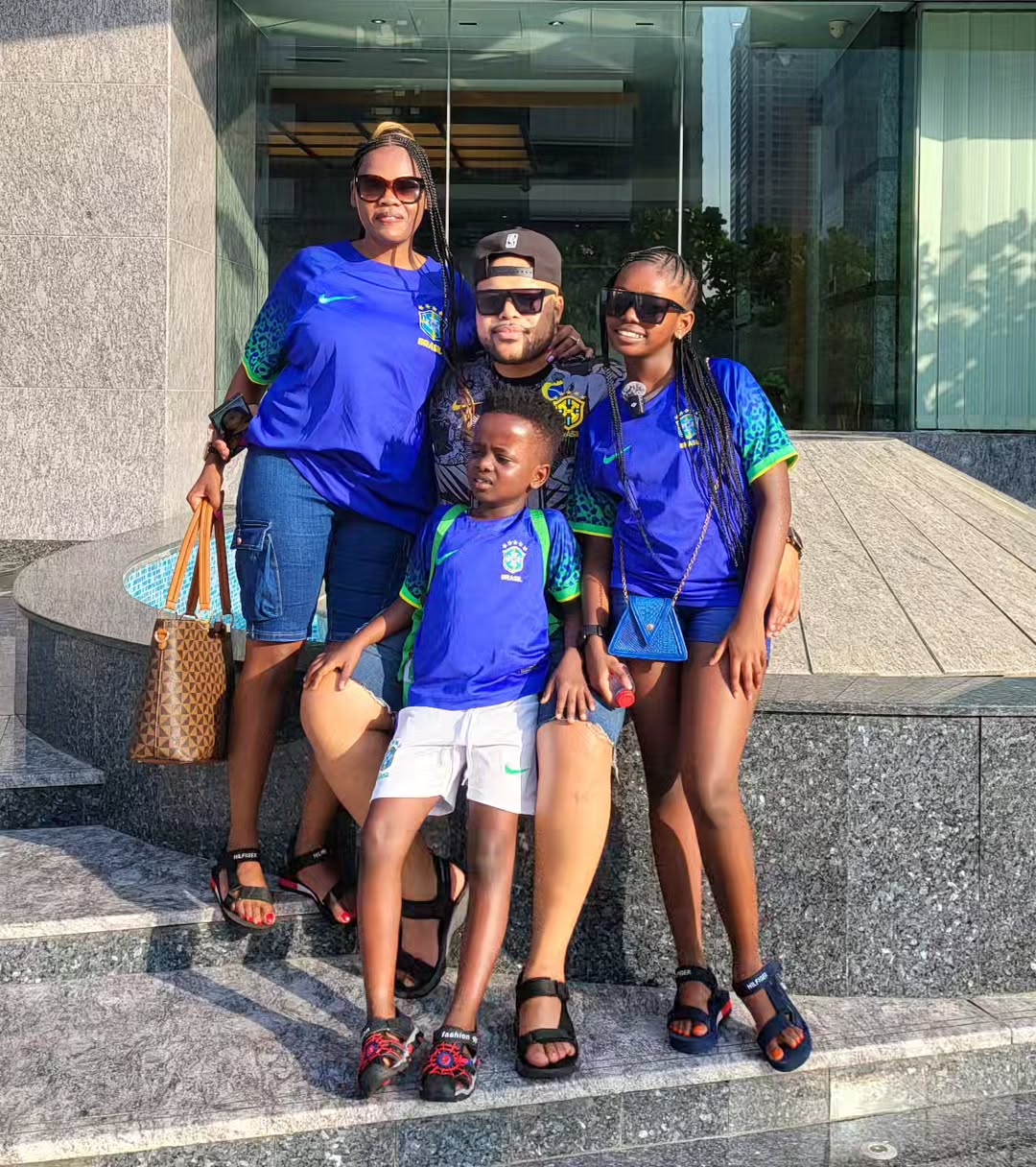
To invest that many years in building a home, supporting a partner, and helping raise children who weren’t biologically yours, only to wake up one day and feel like an outsider… it is a heartbreak most men are simply not built to withstand.
And now, in the middle of grief, confusion, and public tension, one question hangs painfully in the air: was it worth it?
Because time is the one sacrifice a man never gets back. The love, the emotional labour, the financial support, the years of stability he offered — all of it can disappear overnight the moment family dynamics shift and the biological bloodline closes ranks.
Most men would crumble under what he is facing today: grieving a wife while also fighting for dignity, recognition, and a place in the very household he committed himself to for more than five years.
This is simply my opinion based on what I have observed — but what do you think?