December 3 is International Disability Day globally, and the government has made several strides towards the inclusion of persons with disabilities in the mainstream of public life through the BETA plan.
They include strengthening social Protection: the government has expanded cash transfers to persons with severe disabilities and ensured the regular, predictable release of funds, allowing households to meet basic needs with dignity.
Currently, more than 50,000 households benefit from the Inua Jamii cash transfer programme, particularly supporting those with autism, Down syndrome, cerebral palsy, intellectual disabilities and other developmental disabilities.
Secondly, emphasising Micro, Small, and Medium Enterprises as engines of growth, support to persons with disabilities to access the Hustler Fund and business development services.
Notably, the recent Nyota programme raised the eligible age for youth with disabilities to 35 years higher than that of other youth in order to bridge gaps and promote trans-generational equity. More than 820,000 youth have been enrolled so far.
Thirdly, advancing community-based rehabilitation, increase access to assistive devices and mobility aids while integrating disability-responsive services within primary healthcare reforms.
Fourthly, promoting education and talent development, with schools such as the Thika High School for the Blind have received improved learning resources, enhanced teacher support and inclusive infrastructure.
The government is training more specialised teachers and expanding access to braille materials and ICT-based learning tools. Last year, with presidential approval and through my intervention, Thika High School for the Blind received Sh20 million for infrastructural development, an unprecedented milestone for this administration.
After 19 years, we now have a National Disability Policy 2024, the first in Kenya’s history. It provides a robust legal and normative framework alongside the Persons with Disabilities Act 2025.
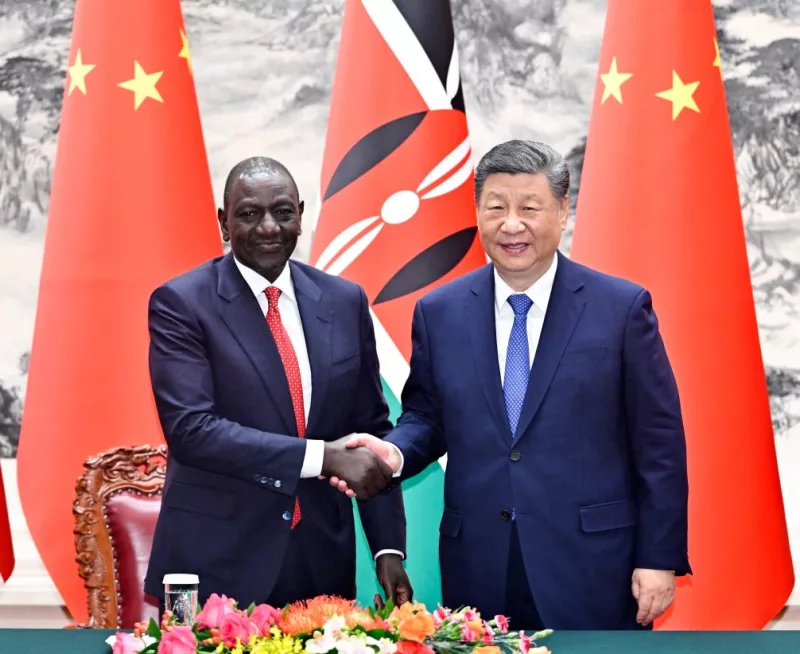
This is the first-ever act assented to by President William Ruto in fulfillment of a promise made during the general elections in 2022. Together, these measures reflect the government’s unwavering commitment to inclusion, partnership, and equitable development for persons with disabilities, building on the implementation of the previous Act over the past 22 years, since its enactment in 2003.
The State Department for Labour and Social Protection, through its Disability Empowerment and Vocational Rehabilitation Department is implementing critical programmes.
They include training county disability champions, developing Community-Based Inclusive Development frameworks, training manuals to ensure persons with disabilities participate fully in community life, rather than institutionalisation, brailing essential legislation such as the Community Groups Registration Act, collaborating with local and international partners on cash transfers supporting caregivers of persons with disabilities and establishing guidelines for the management of vocational rehabilitation centres.
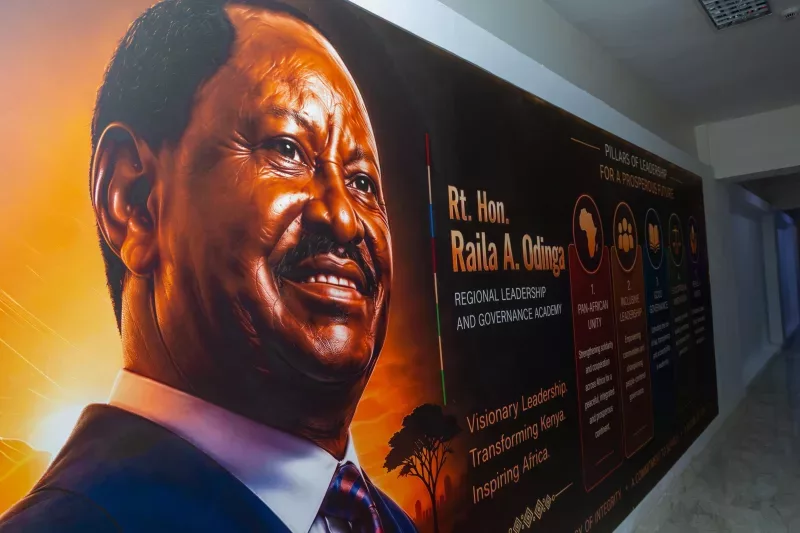
It is important to recognise that disability inclusion has been highly supported by the influential role of former Prime Minister Raila Odinga. May his soul rest in peace. It was through his party that I was nominated to Parliament as the first MP and later on senator with albinism in Kenya’s history. The disability fraternity honours him deeply.
Raila also played a pivotal role in empowering other individuals with disabilities to assume national leadership positions.
For instance, Harold Kipchumba who recently joined the National Assembly, Timothy Wanyonyi who is the MP for westlands, Crystal Asige, currently serving as a senator, Dr Gertrude Musuruve, who was with me in the Senate, Denittah Ghati, a former MP and woman rep and numerous MCAs, including Harrison Karume, Carol Agwanda and John Maganga.
Regarding the five per cent employment quota, the government has made significant progress within the Public Service Commission, with hundreds of persons with disabilities having been employed.
Harun Hassan is now serving as the first commissioner with a disability at the PSC and Michael Mbithuka is at the National Gender and Equality Commission as well.
We also have two ambassadors: Michael Dubat
who is a former Principal Secretary and Cyprian Iringo, currently serving in Somalia
and yours truly as the first government spokesman with disability. I am
confident that in the near future, we will also have a Cabinet minister with
disability.
In the Judiciary, persons with disabilities are well represented. Justice Mumbi Ngugi and Justice Kibaya Laibuta both serve on the Court of Appeal. Laibuta is a former chairperson of the Kenya Society for the Blind and the National Council for Persons with Disabilities, while Justice Ngugi was the founding treasurer of the Albinism Society of Kenya. Additionally, Justice Monica Mbaru and other judges with disabilities continue to strengthen our judicial system.
At the county level, we have several MCAs such as Bridget Songok and Timothy Aseka, amongst others. In the National Assembly, we have MPs like Wanyonyi Pepela, Rev Jackson Kosgei, Rose Museo and George Mbugua.
Every time we suppress the contribution of persons with disabilities, we hinder our collective humanity and progress. This year’s theme is especially timely; it reminds us that inclusion leads not only to individual empowerment but reduces the societal burden of care.
When persons with disabilities are enabled to contribute through education, employment and independence, they also support communities beyond themselves. This is the true essence of inclusion and social progress.
We need to work deliberately to create inclusive spaces in schools, workplaces and public life to change perceptions and unlock potential.
Let us empower every child and adult with disabilities who longs to be recognised as a full human being with the capacity to contribute meaningfully. Even when dependent on support, there is residual ability that we must harness for societal advancement.
We must also stand firm against stigma and cyber bullying. The Cyber Crimes Act will be effectively enforced to protect persons with disabilities from online harassment and shaming.
The government remains committed to ensuring every citizen has the tools, support and opportunities to live with dignity, pursue their aspirations and contribute meaningfully to national development.
Together, we can build a truly inclusive republic where no ability is overlooked and no Kenyan is left behind.