“Water shapes its course according to the nature of the ground over which it flows; the soldier works out his victory in relation to the foe whom he is facing.” Sun Tzu, The Art of War
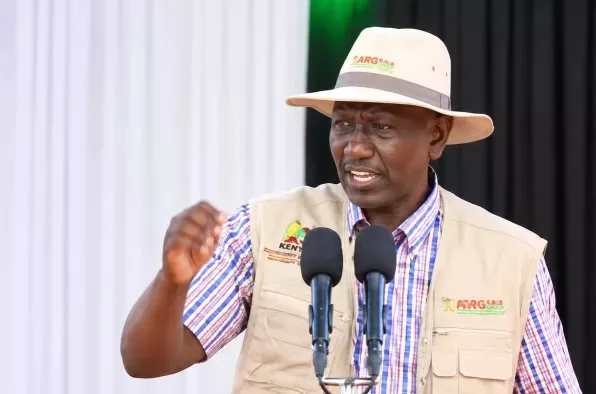
President William Ruto’s broad-based government is smiling from ear to ear over the big win in the November 27 by-elections. Marred by widespread violence, intimidation, massive use of state resources and opposition allegations of irregularities, the polls are in many ways a sneak preview of the 2027 general election.
Considering how the exercise turned into a do-or-die fight for government, and the thin victory margins, critics assert that the results signal Ruto’s plummeting popularity. “It was a desperate performance by a regime trying to mask the erosion of its legitimacy,” political commentator Prof Gitile Naituli wrote. And that is precisely what makes the next election more about strategy than popularity.
Here are 10 harsh truths for from the by-elections.
One, the Kenya Kwanza government knows it is not popular. They read the news, study the national mood and opinion polls – which all say the same thing: Kenyans are suffering under the sixth administration.
So, Ruto and his team don’t hope to win the 2027 election on the basis of being liked. They will, instead, put other strategies in motion. The presidential election will not be about popularity or high-sounding manifestos but about pure cunning, heavy spending and consolidation of ethnic blocs.
Two, winning is all that matters in politics. In the constitution, laws and college textbooks, elections are an opportunity for citizens to choose their leaders and decide the direction of the country’s management. Voters don’t just pick a leader but also a vision. But last month’s by-elections demonstrate that, in reality, elections are not about the niceties of democracy. It is ruthless pursuit of power.
Three, Ruto will use his advantage of incumbency to devastating effect. “Do not repeat the tactics which have gained you one victory, but let your methods be regulated by the infinite variety of circumstances,” Sun Tzu said.
The ‘hustlers versus dynasties’ narrative that rallied the nation for the President ahead of 2022 can’t deliver 2027 for him. The Gen Z revolt killed that narrative by mobilising the youth against Ruto, forcing him to embrace the so-called dynasties for his political survival. His own political circumstances have changed.
He is no longer the ‘hustler’. He has also lost the critical support base of Mt Kenya. His biggest weapon for reelection is incumbency.
The fourth lesson from the by-elections is that IEBC has its limits. The Independent Electoral and Boundaries Commission is not exactly a communion of saints. There are no perfect referees anywhere. Calling out the electoral agency on failures is important, but complaints never win elections. The IEBC commissioners and staff are Kenyans. It is good to hope that they will do their best. But don’t expect any miracles.
A level playing field and fair play in a country where corruption is a way of life remains a struggle for this and future generations. While IEBC must be pushed to conduct free and fair elections, there is plenty beyond its mandate and competency that could tilt the outcomes.
Five, what Ruto wants Ruto gets. The President is a consummate competitor. He is self-assured, indefatigable, obsessed with winning, severely demanding of his lieutenants, believes it is God’s will for him to be the president of Kenya and goes into elections with missionary conviction and zeal.
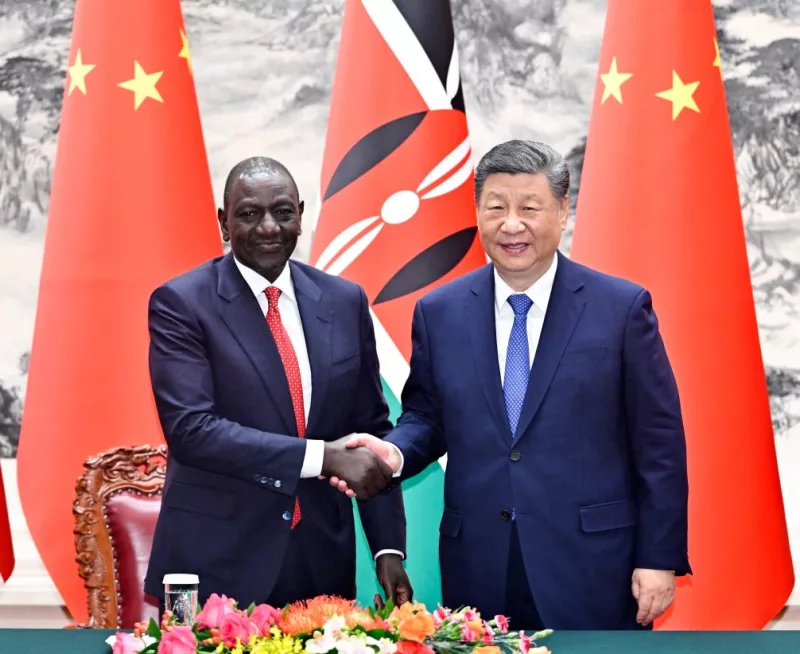
He has shrewdly consolidated power in the last three years by aligning public institutions to his administration. Ruto’s masterstroke was to cut a deal with his arch-rival, Raila Odinga, who had destabilised his administration for the better part of 2023 through “maandamano”. He has inherited Raila’s bases.
Gen Z’s revolutionary fervour lost momentum. Now, the streets are silent. Quiet co-optation of trade unions, professional agencies, civil society, media, churches and student organisations is ongoing.
The sixth reality the by-elections highlight is that bribery delivers results. It is how we conduct business in Kenya. Money may not buy lasting loyalty but it sure buys politicians and votes. Do you suppose millions of poor citizens who could sell their organ or body would think twice about a mere vote?
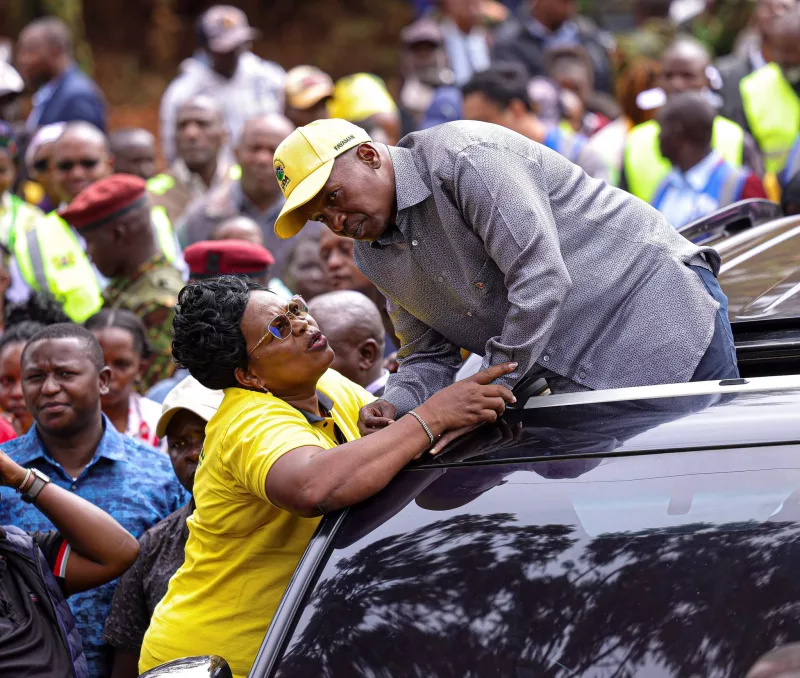
Seven, political violence works. This is not a call to arms, but our history does not lie. The by-elections show voter suppression is effective. People will be scared and stay away from polling stations if hired goons are on the prowl.
Do you notice that people hardly care about integrity? That’s the eighth truth. A candidate in one of the constituencies was linked to loss of millions of public funds and the Ethics and Anti-Corruption Commission had recommended his prosecution. But that did not deter him from running and winning. Remember, this is a country where politicians indicted for the worst crimes codified in law have been elected.
Nine, anger over state failure doesn’t easily translate to a protest vote. The high cost of living, higher taxes and government wastage sparked deadly protests in 2023 and last year. Oxfam’s latest report shows Kenya has the world’s 15th highest extreme poverty rate at 46 per cent. The cost of food has risen by 50 per cent since 2020.
But the poorer the people, the more likely they are to be bought or misled. People struggling for survival may see no realistic hope in changing the political leadership. If they decide to stay at home on election day, voter apathy will benefit the incumbent, whose supporters are likely to turn out in bigger numbers.
Finally, political consciousness is poor among most Kenyans. Well-reasoned public arguments may impress intellectuals but they don’t persuade most of the general population. To many, elections are just a game or a chance to support ‘mtu wetu’.
Social media is important in campaigns, but it takes a lot more than online banter and sloganeering to shift the ground. Guess why Ruto is no longer irritated by shouts of ‘Wantam’ and ‘Ruto Must Go’ but laughs them off?