For decades, an HIV diagnosis came with fear, shame, and secrecy. Many people kept it hidden — even from their closest friends or partners — worried about what others would say, the rejection, the judgment. Disclosure often meant risking relationships, livelihoods, or dignity.
But in recent years, a quiet revolution has begun. With social media — especially short-form video platforms like TikTok — people living with HIV are choosing to speak out.
They post videos of themselves sharing diagnoses, recounting how they felt when they first learned their status, showing how they manage treatment, and explaining how life has continued. What was once hidden and whispered is now publicly told.
In Kenya and elsewhere, young people are leading this change. According to one recent article, many Gen-Z Kenyans now openly talk about HIV as part of their identity — not because they want pity, but because they want others going through similar experiences to know they are not alone.
Lydia Vera: Turning Pain Into Power
Among the bold voices leading this movement is TikToker Lydia Vera, whose raw honesty has earned her admiration online. In one of her viral videos, she recounts the moment she discovered she was HIV positive — a moment that shattered her world.
Lydia narrates how she later learned that the man she had been dating was the reason she contracted the virus. The revelation devastated her. She remembers staring at the test results, feeling her entire life collapse in seconds.
But what makes Lydia’s story stand out is how she rebuilt herself. Instead of shrinking into silence, she chose to speak up.
ALSO READ: December 1st: The Birth and History of World AIDS Day
She now openly shares how her dating life has remained healthy, explaining that the men she has dated since then have had no issue with her status.
Her honesty has turned the comments section into a space of empathy, humor, and support. Viewers praised her bravery:
“I appreciate this lady for sharing this story, we all need to be careful.” One user commented .
@Brenda Muriuki “...and you thought I would hate you? Bado nakupenda and there's nothing you can do about it. The way you stay real and raw.”
@Inzera “You’re so authentic and raw (pun intended ?). Love you and your talks here❗? You stay educating us.”
What began as a painful confession has become a beacon of strength — proof that disclosure, healing, and dating after HIV are all possible.
Greatness: From Depression to Acceptance
Another powerful storyteller is a TikToker known as Greatness. Most of her content revolves around living with HIV, and she speaks to her followers with a mix of honesty and emotional depth.
Greatness openly shared how her life changed after her diagnosis. She revealed that her partner left her the moment he knew she was positive — a heartbreak that pushed her into depression. At one point, she was too embarrassed to even step outside, afraid of what people would think or say about her.
But through the darkness, she found a way to rise. Her videos now focus on acceptance, mental health, and reclaiming confidence. She talks openly about learning to love herself again, taking her medication, and refusing to let stigma define her.
Her content resonates with thousands, especially young people who find comfort in seeing someone who looks like them, talks like them, and has walked through similar struggles — yet continues to thrive.
A New Generation of Storytellers
Lydia Vera and Greatness are just two among many young creators who have chosen to be vulnerable online. Across TikTok, dozens of young people are turning their HIV journeys into relatable stories, offering advice, answering questions, and educating those who still carry misconceptions.
These creators are:
Normalizing HIV treatment, showing how easy and routine medication can be.
Removing stigma, reminding viewers that HIV is manageable and not a moral failure.
Building community, providing safe spaces for others who feel alone.
Encouraging testing, especially among young people.

Where You Can Get Help: Testing, Treatment & Support
For anyone who may be worried, unsure, or wanting to take control of their health, help is available — easily and confidentially. Kenya has strong HIV support systems, and anyone can access testing and treatment for free. Here are some of the centres one can get help ;
Public Hospitals & Health Centres
All government hospitals and clinics offer free HIV testing and free ARV medication. This includes: County hospitals , Sub-county hospitals, Health centres ,Dispensaries
VCT Centres (Voluntary Counselling and Testing)
Dedicated VCT centres across the country offer: Free HIV testing ,Free counselling ,Advice on treatment and prevention
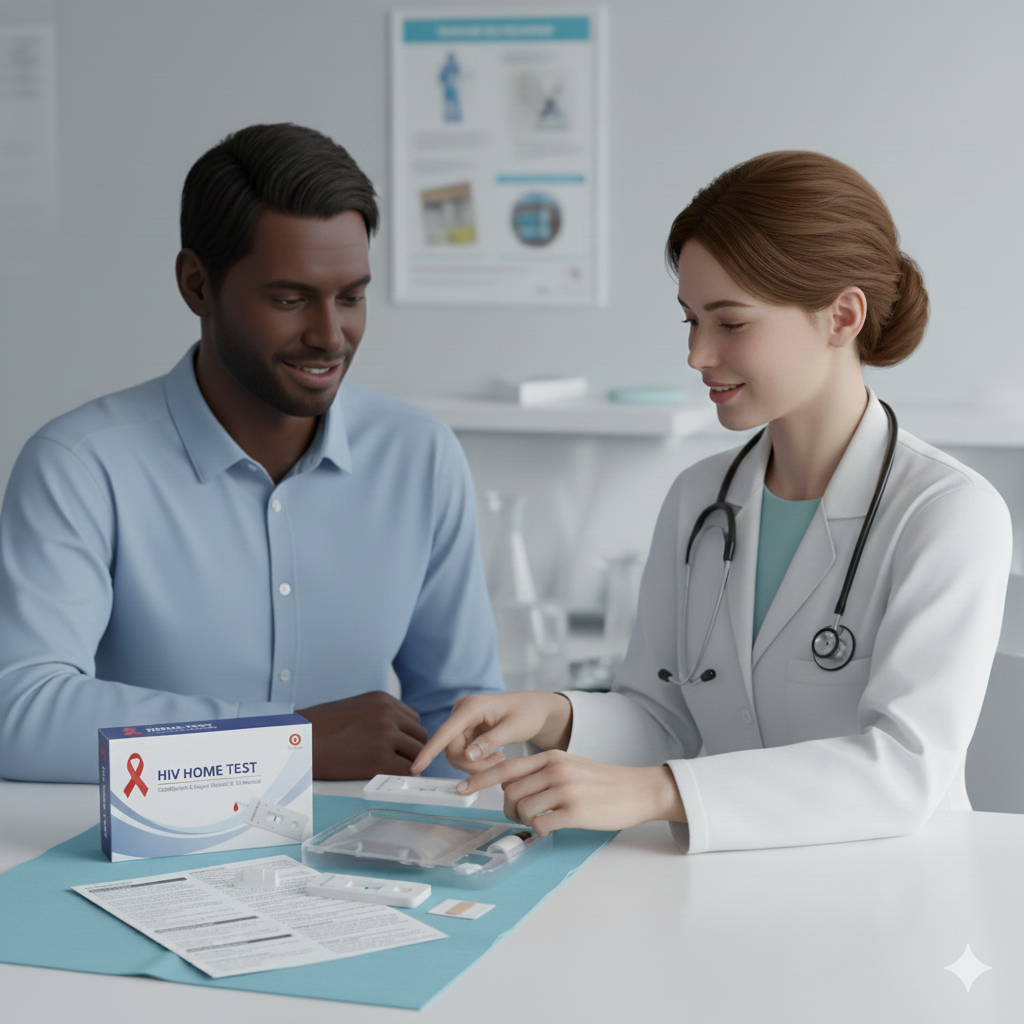
HIV Self-Test Kits
Available in most pharmacies and supermarkets.
These kits allow people to test privately at home.