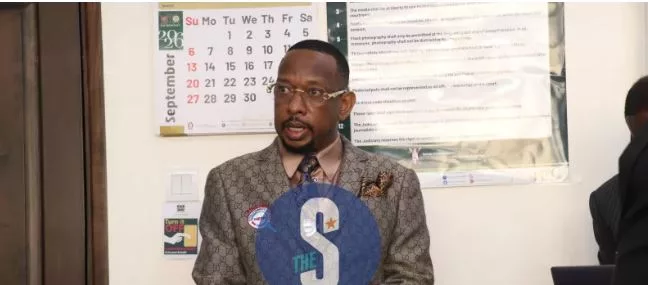
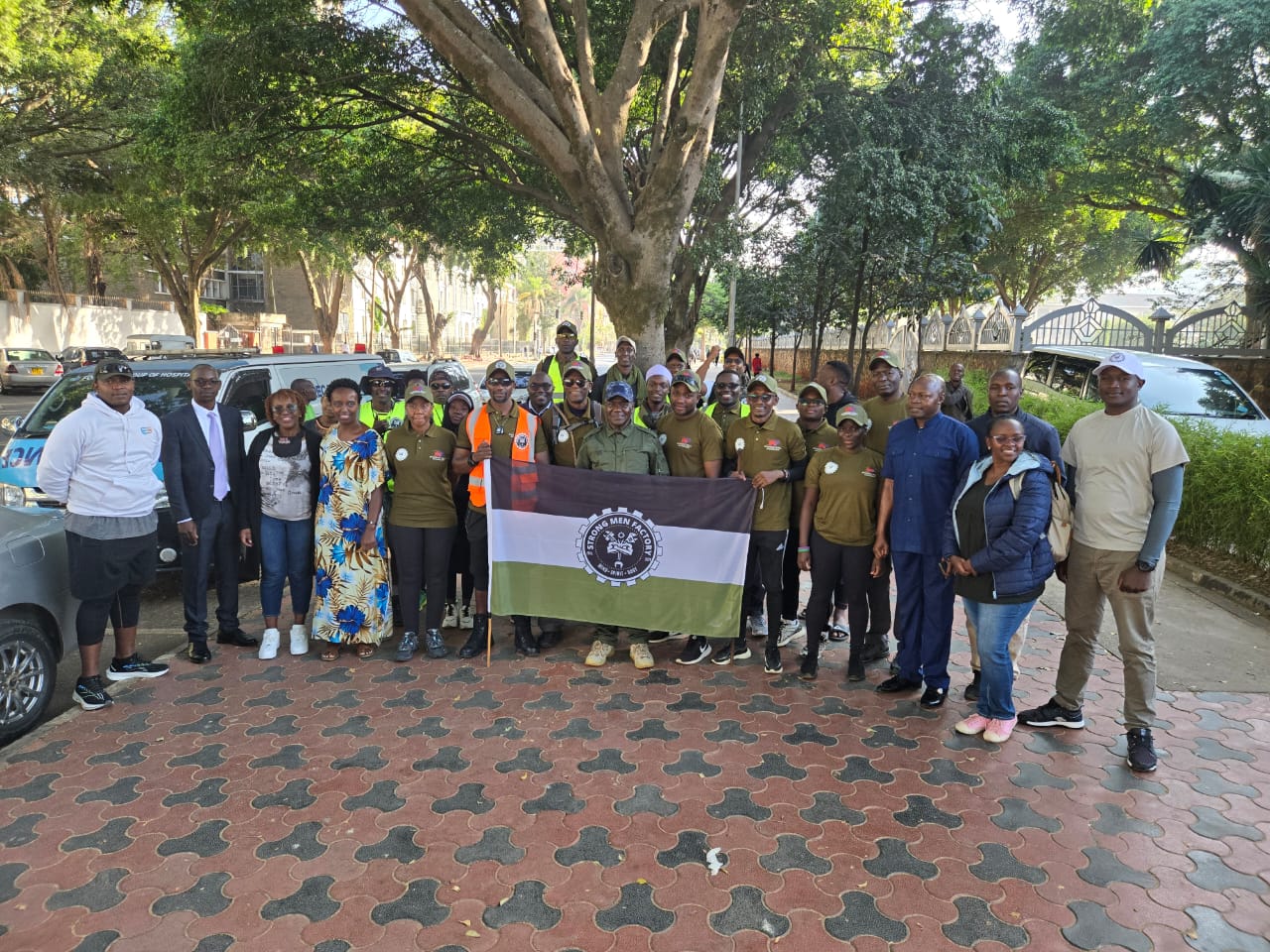
 The group of 25 men and women walking from Nairobi to Mombasa/ HANDOUT
On the warm December morning of December 2, in Nairobi, long before the city’s traffic hum awakens, an unlikely team gathers at the base of the Kenyatta International Convention Centre.
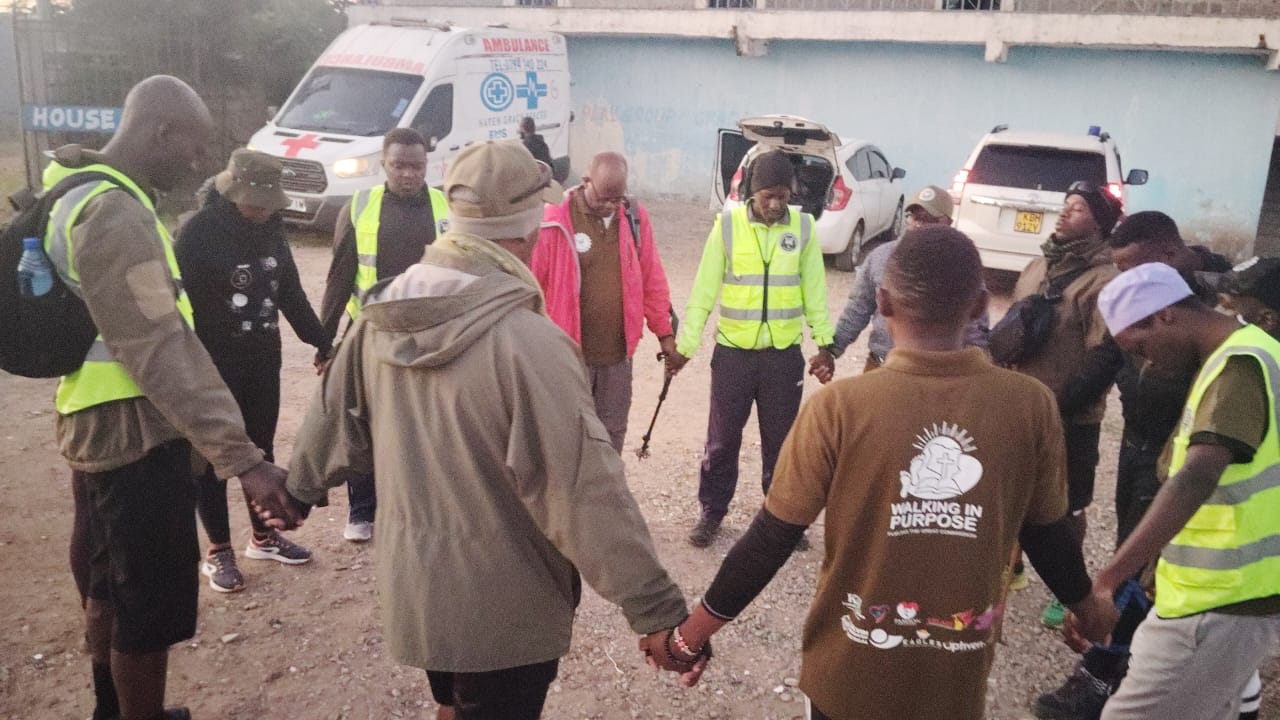
Torches and streetlights cast dim halos over the small group, some stretching quietly, others clasping hands for a final prayer.
At the centre stands an 80-year-old man, upright, energetic and smiling — tightening the straps of his walking shoes.
This is Bishop Dr William Tuimising, EBS, a seasoned clergyman with 63 years of ministry behind him, about to undertake one of the most ambitious missions of his life: a 480-kilometre walk from Nairobi to Mombasa.
The trek, scheduled from December 2 to 20, 2025, is part of the inaugural Walk for Fitness and Missionary Work Initiative, an intergenerational, multi-sector collaboration blending physical endurance, faith and community service.
Over the next 18 days, the team will cover 30 kilometres per day across more than 20 towns; from Machakos to Kajiado, Makueni, Voi and onward to the Coast, stopping to pray, speak, raise awareness and rally support for one cause: transforming the lives of girls at Sasura Girls School in Marsabit County.
For Bishop Tuimising, the walk is a personal testament to a lifelong philosophy he often summarizes in three words “live well, serve well, finish well.”
A mission grounded in urgency
Sasura Girls School sits in the remote, arid expanse of Marsabit County, where water scarcity and infrastructure deficits strain daily life.
The school’s condition is dire: each student survives on a 20-litre bucket of water intended to last three days. This ration affects hygiene, learning, health, and dignity.
The walk aims to raise funds to drill a borehole for sustainable clean water supply, renovate classrooms, improve learning facilities and promote girls’ education in one of Kenya’s most underserved regions
While community-led initiatives have previously highlighted Marsabit’s challenges, organisers say 2025 demands renewed urgency, and a different kind of leadership.
“Leadership cannot remain confined to pulpits, offices or meetings,”James Onsongo, CEO of the Finishing Well Foundation and a member of the four-man core team accompanying the Bishop said.
“We want to show that leadership is active. It is lived, it is demonstrated, it gets out of the door and onto the road.”
The team behind the trek
The initiative is anchored by an unusually diverse team consisting of founder, Finishing Well Foundation; Bishop Emeritus, Deliverance Church International Bishop Tuimising, National Disaster Management Unit Operations Officer William Sifuna, Finishing Well Foundation CEO James Onsongo and Strong Men Factory founder Commander Steve Strong.
Each member brings a different discipline; ministry, disaster management, nonprofit leadership and physical fitness.
Behind them is a wider group of 25, including security officers, medics, a psychologist, caterers and volunteers.
“We move together,” Onsongo explains. “We have an ambulance, a police car, and strict rules. No one walks more than 50 metres away from the group. Safety is everything.”
As they walk, their safety remains paramount.
Onsogo noted that along the Tsavo stretch, one of the most notorious corridors for wildlife encounters, the team will integrate escorts from the Kenya Wildlife Service.
The rhythm of the walk
The walk begins long before dawn.
“We wake up at 3am for devotion,” Onsongo says.
“It sets the tone. After that, we warm up, take breakfast and start walking at 6am.”
By 2pm, after covering their daily 30 kilometres, they warm down and rest.
Every detail has been planned meticulously weather changes, hydration routines, fruits by day, meals by evening, mental health support, emergency medical response, meals and recovery, and public engagement stops along the route.
“We even have umbrellas in case the weather shifts from scorching sun to rain without warning. Bottom line is that we are prepared and at Strong Men, we move on,” Onsongo said.
A psychologist is embedded within the team, a first for many mission-related walks.
“People assume walking is only a physical challenge,” he says.
“But mental stamina is just as important. The psychologist is with us to help the team manage fatigue, discouragement and the emotional weight of the mission.”
The Bishop at 80: Symbol and inspiration
Despite his age, Bishop Tuimising’s presence is described as energising.
“The Bishop is fine as a fiddle,” Onsongo says with unmistakable admiration.
“He insisted on doing this not only for the girls in Marsabit but also to celebrate his 80th birthday in a meaningful way. Of course a cake will come later, but as of now, we walk for a cause.”
Yet the leadership team is realistic. The 480 kilometres will be demanding even for younger walkers.
“Considering his age, he won’t walk the entire distance,” Onsongo clarifies.
“We have a car for him. But the symbolic act, his willingness to step onto the road at 80, is what is important.”
This symbolism has begun drawing intergenerational interest.
A 13-year-old boy, part of the extended team, has committed himself to completing the trek.
“The boy’s determination reminds us that this mission is for every generation,” Onsongo says.
From teenagers to an 80-year-old bishop, that is the beauty of the walk.
Walking beyond the road; speaking to communities
As the team snakes through towns and trading centres, they will stop to address local gatherings from early morning market crowds to church groups, roadside workers, student assemblies and curious onlookers.
They will speak about health and fitness, mission work, education and the water crisis facing girls in Marsabit
“We want communities to understand what we are doing,” Onsongo explains.
“This is not a spectacle. This is a message. The Bishop wants to remind people that the gospel is not restricted to church walls; it belongs in the everyday spaces where people live.”
In recent years, public campaigns around fitness, mental health and community service have gained momentum across Kenya.
This walk merges them all; faith, wellness, service, in one continuous journey.
Funding the mission
As of the flag-off, funds raised remain below the target.
“We have not raised the entire amount,” Onsongo acknowledges. “But we hope that by the time we reach Mombasa, we will have the rest, about one million.”
The team believes awareness, visibility and community mobilisation during the walk will spark contributions.
“Our aim is not only the money,” he adds. “It’s also the message. If more Kenyans see how physically demanding mission work can be, maybe they will engage differently, give differently, act differently.”
A new kind of ministry
Observers describe the initiative as one of the most unique expressions of mission work in Kenya in recent years.
It departs from the pulpit, the seminar, the conference hall and takes ministry to the open road — literally.
The walk is faith in motion. Walking, sweating, praying, speaking, all happening together.
The walk also mirrors a national conversation around physical fitness and wellbeing, especially among older adults.
Across Kenya in 2025, fitness has emerged as both a health priority and a cultural movement, and the Bishop, at his age, stands at the intersection of faith and fitness, modelling possibility.
The road to Mombasa
The 480-kilometre route follows a corridor familiar to truck drivers, long-distance athletes and seasoned roadtrippers.
But for this team, the landscape carries spiritual, emotional and symbolic weight.
From the rolling hills of Machakos to the dusty plains of Makueni, the heat of Tsavo and the humid descent into the coast, every step is a reminder of the vastness of the country they seek to serve.
A journey that will live long after footsteps fade
When Bishop Tuimising and his team walk into Mombasa on December 20, they will not just be completing a physical challenge.
They will be marking the beginning of a hopeful chapter for girls in Marsabit, a new model of community-driven mission work, and a bold reminder that faith still has the power to move feet, and hearts, across great distances.
And with that, the team ties their laces, lifts their backpacks and begins the long walk toward Mombasa, one purposeful step at a time.