Kenyan musician Bahati has stirred nationwide conversation after reacting to a viral video of a woman who claims to be his biological mother.
The emotional exchange has drawn mixed reactions, with many Kenyans following the unfolding story closely as questions of identity, family ties, and truth emerge.

Bahati’s Emotional Reaction on Instagram
The controversy began after a video surfaced on social media showing an elderly woman pleading with Bahati to forgive her and seek her out. The woman alleged that she is the singer’s real mother and claimed she gave him up to a children’s home due to financial struggles.
Bahati quickly responded to the video by reposting it on his Instagram page, expressing shock and deep confusion. In his caption, he wrote:
“??? But My Mum Died over 25 Years ago, I personally attended the Burial and Witnessed her Grave ??? This Woman has Confused me More. So what Should I Do??? ?♂️?♂️?♂️”
The Woman’s Claim: “Bahati Mimi Mamayako”
In the viral video, the woman addresses Bahati directly, pleading for forgiveness and expressing regret for her alleged past actions. Her message, delivered in Kiswahili, said:
“Bahati mimi mamayako… nakuja kukuomba msamaha. Najua uliambiwa mamako alikufa kitambo, na si kupenda kwa hao watu wakuambie hivyo. Mi nilikuzaa na nikakupeleka children’s home kwa sababu sikua na uwezo. Nakuomba msamaha, ukuje unitafute nikuombe msamaha.”
ALSO READ: The Reason Behind Bahati's One-Year Music Break
She went on to explain that seeing Bahati on television triggered her decision to publicly reach out and seek reconciliation, insisting she has information that proves her claim.
Bahati’s Upbringing and Why the Claims Are Impactful
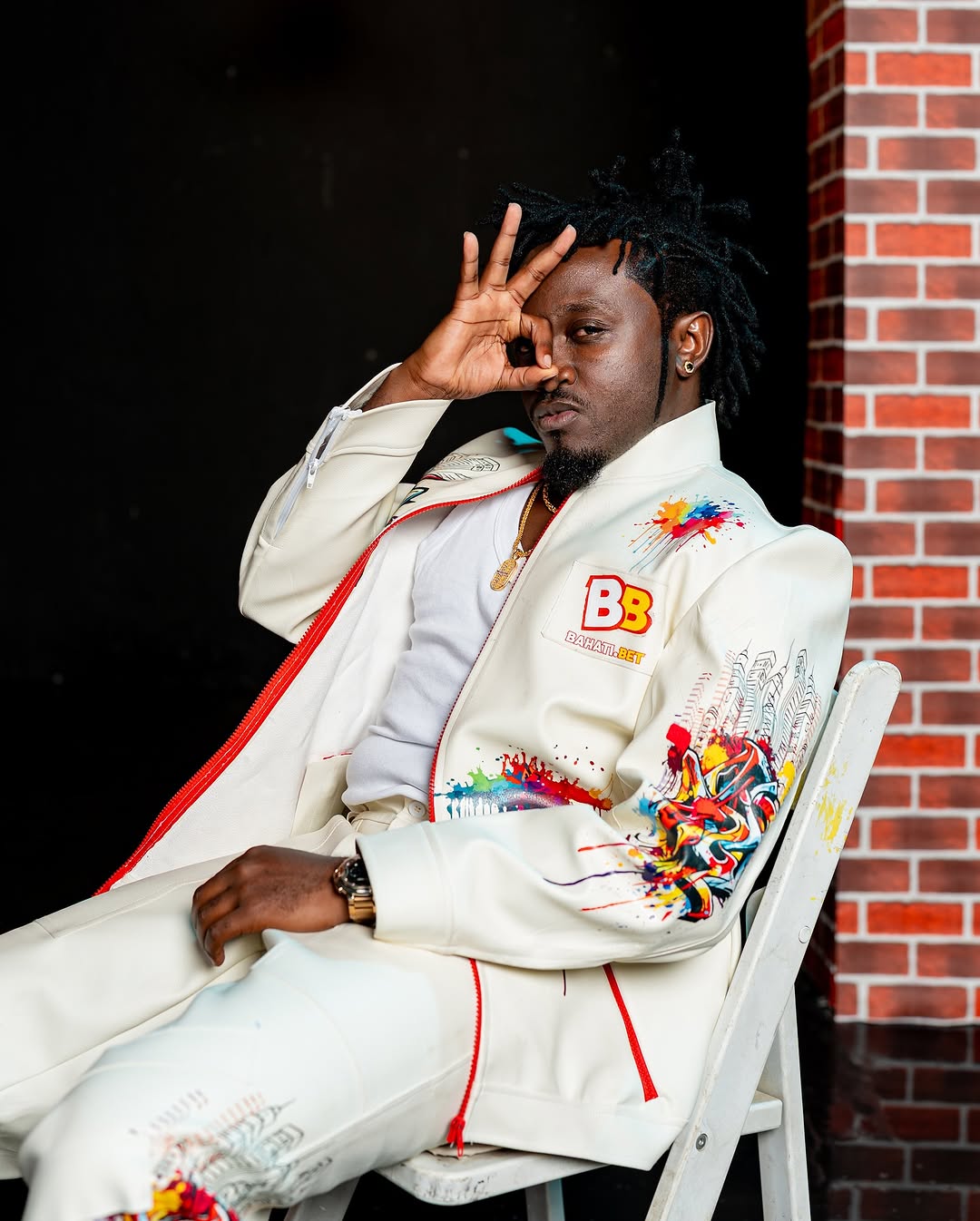
Bahati’s life story is widely known. Orphaned at a young age, he grew up at ABC Children’s Home in Mathare, where he spent most of his childhood before rising to fame as a gospel star.
For years, he has spoken openly about how losing his mother shaped him—emotionally, spiritually, and artistically.
The death of his mother was not just part of his biography; it was a foundational pillar of his identity. It influenced his early music, especially emotionally charged songs like Mama, where he honored her memory and expressed a longing that countless fans connected with.
Throughout his career, Bahati has repeatedly described his childhood as one marked by hardship, loneliness, and a search for belonging.
His resilience—growing from a vulnerable child in a rescue center to one of Kenya’s most recognizable musicians—has been celebrated as both inspiring and deeply personal.
The viral claim, therefore, strikes at the core of this carefully documented and emotionally significant history.
If true, it would force him to re-examine not just his past but also the foundational story he has carried throughout his life.
If untrue, it becomes a painful reminder of how public figures often face deeply intrusive situations that touch on sensitive parts of their identity.

For Bahati, the allegation is not merely a trending scandal—it reopens emotional wounds tied to childhood loss, unanswered questions, and the complex reality of growing up without parental figures.