How Tupac was killed
Shakur was 25 when he was attacked on 7 September 1996.
He had been in Las Vegas attending a Mike Tyson boxing match with Death Row Records co-founder Marion “Suge” Knight. Later that night, their BMW stopped at a red light.
A white Cadillac pulled alongside the vehicle and gunfire erupted.
Shakur was struck several times. Knight was also wounded but survived. Shakur died six days later in hospital.
The shooting was linked by prosecutors to a confrontation earlier that night involving Shakur's group and Orlando “Baby Lane” Anderson, Davis's nephew.
Evidence that brought the case back
The case remained unsolved for decades.
Davis later began publicly discussing his alleged involvement. Prosecutors relied heavily on statements he made during interviews with investigators, media appearances and his 2019 memoir, Compton Street Legend.
Prosecutors argued that Davis's own accounts placed him inside the white Cadillac and showed that he had helped organise the retaliation.
The defence challenged those accounts, arguing that Davis had exaggerated his role and that the prosecution lacked sufficient physical evidence connecting him directly to the shooting. Davis's lawyer also described the investigation as flawed.
The jury ultimately accepted the prosecution's case.
A long-awaited verdict
The conviction brings a major development to a case that has shaped the history of hip-hop.
Tupac was one of the most influential rappers of the 1990s, known for music that addressed poverty, racism, violence and life in America. His death became one of the defining moments of the era's bitter East Coast-West Coast rap rivalry.
His family members were present in court when the verdict was delivered. Tupac's sister, Sekyiwa Shakur, was visibly emotional after hearing the decision.
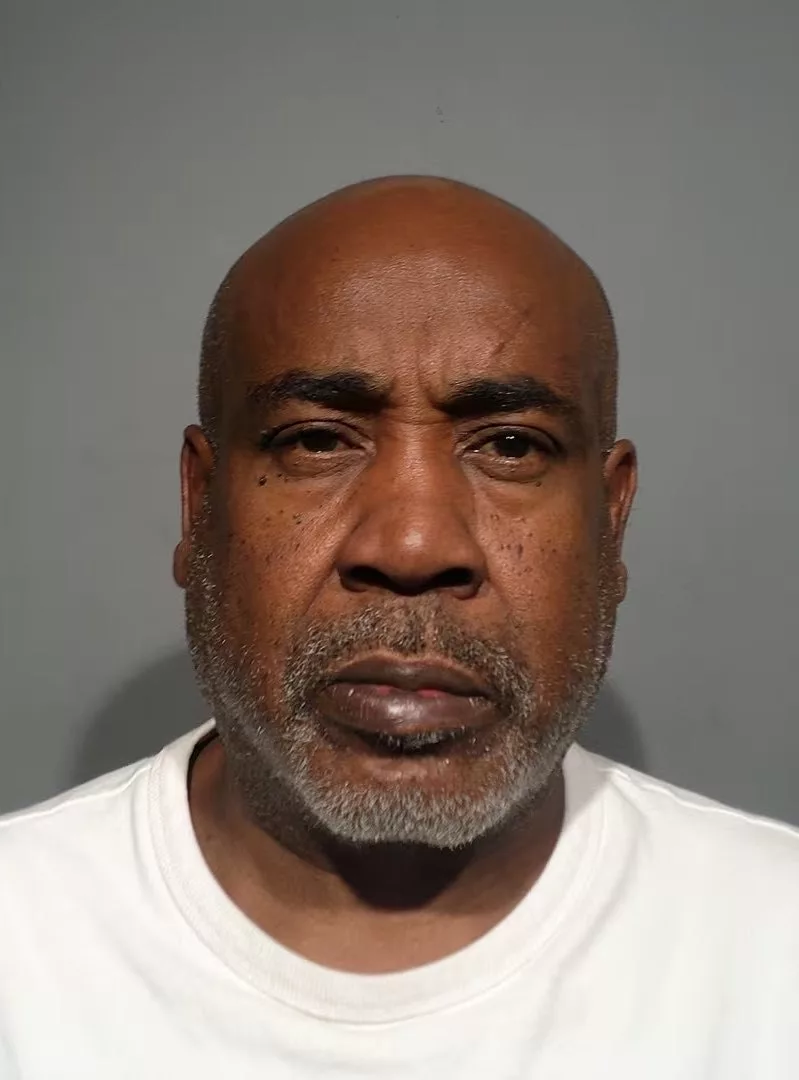
Davis now faces the possibility of life imprisonment without parole. Sentencing is scheduled for 13 October 2026, and he has indicated that he intends to appeal the conviction.
For nearly three decades, Tupac's murder remained surrounded by unanswered questions. Davis's conviction does not erase that history, but it represents the first criminal conviction directly arising from the 1996 killing.