Politics in Kenya has increasingly captured the attention of the youth, and over the past few years, this engagement has become more visible.
Since the 2022 elections, Gen Z — young Kenyans born roughly between the late 1990s and early 2010s — have taken a keen interest in national politics.
The youth have publicly voiced opinions on social media about political matters, joined campaigns, protested legislation like the 2024 finance bill, and even expressed ambitions to run for political office.
This surge of interest represents a significant shift from past generations, for whom politics was often perceived as the preserve of older leaders.
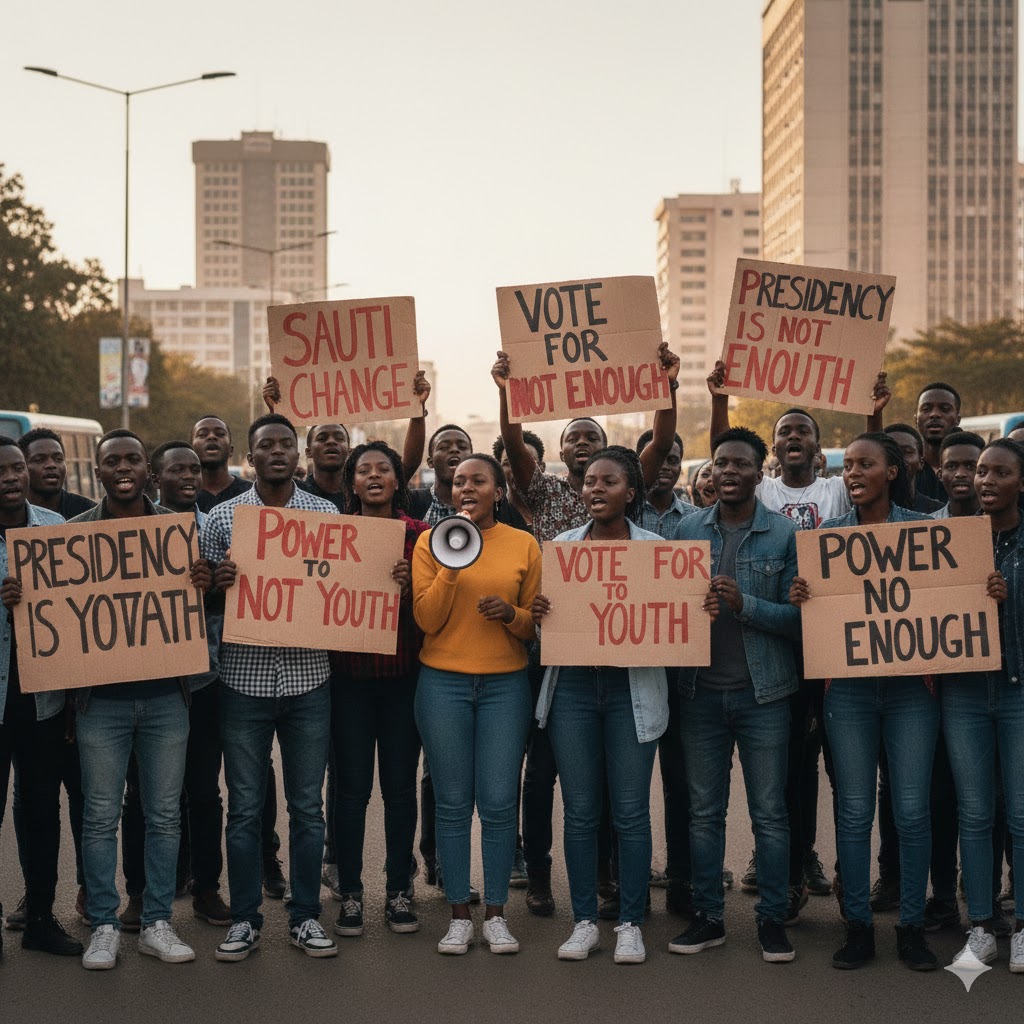
Despite this growing engagement, the majority of Gen Z’s attention is focused on one office: the presidency.
Participation in local-level politics — including elections for governors, MPs, or MCAs — remains comparatively low.
The recent by-elections underscored this trend, showing minimal youth turnout compared to the intense activity surrounding national campaigns. As a writer, I believe several key factors explain why Kenya’s youth are so captivated by the presidency.
The Power of the Presidency
The most obvious reason is that the president holds the ultimate political authority in Kenya. From Gen Z’s perspective, the presidency represents the most effective avenue for implementing meaningful change.
Many young people believe that if the president is replaced, systemic reforms will follow automatically and even entrenched local politicians will align with the new leadership.
This view reflects a perception that power is concentrated at the top and that influencing the presidency is synonymous with influencing the entire country.
Moreover, the presidency carries symbolic weight. The president is seen as the face of national identity, the driver of policy, and the ultimate decision-maker.
To Gen Z, supporting or critiquing presidential candidates feels like directly shaping the nation’s future, whereas engaging with local politics feels less impactful and less immediate.
National Impact on Daily Life
Another reason why Gen Z prioritizes the presidency is the direct effect national policies have on their daily lives.
Decisions made by the president — ranging from economic strategies, job creation initiatives, and education policies to taxation and the cost of living — are felt widely across the country.
Young people keenly follow debates about fees, employment, and housing because they directly influence their livelihoods and career prospects.
Also read : Gen Z Dating in Kenya: Why Young Men Aren't Making the First Move
In contrast, the impact of governors, MCAs, or MPs is often less visible to the public. While these leaders manage important local projects, such as roads, water supply, or county programs, the effects can feel slower, less tangible, or harder to measure.
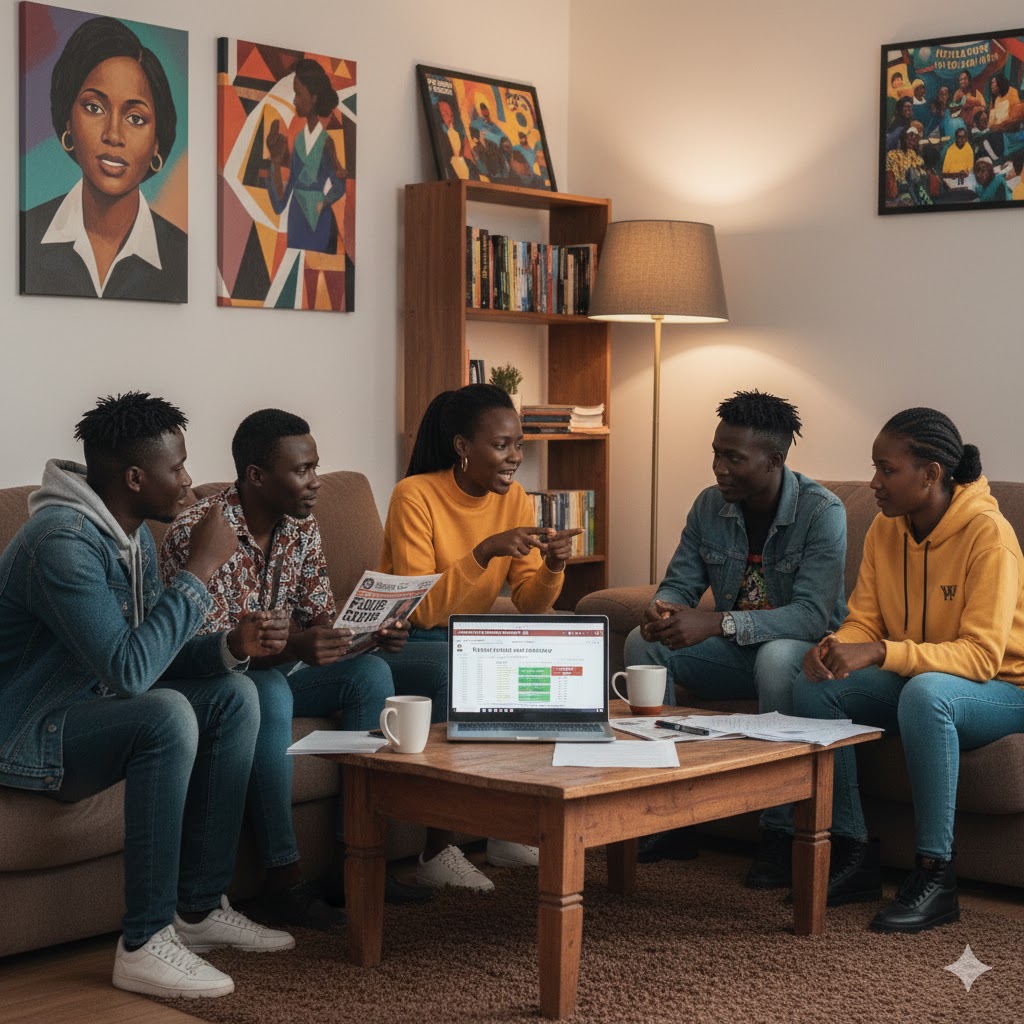
For young voters trying to navigate economic pressures, focusing on national leadership seems more practical and immediately rewarding.
Neglect and Invisibility of Local Leaders
The relative absence of local politicians in the public sphere further explains Gen Z’s presidential focus.
After elections, many MCAs, MPs, and governors retreat from the spotlight, making it difficult for constituents to track their performance or hold them accountable.
Without constant updates or visible initiatives, youth voters struggle to engage meaningfully with these leaders or develop strong opinions about their effectiveness.
In contrast, the president remains highly visible, issuing speeches, policy directives, and public statements throughout the year.
This visibility makes it easier for young people to follow, discuss, and critique presidential actions, whereas lower-tier politics often goes unnoticed until election season.
Trend Culture and Social Media Influence
Social media also shapes political priorities for Gen Z. Platforms like TikTok, Twitter, and Instagram amplify presidential debates, viral memes, and trending political controversies, creating an environment where the presidency dominates online conversation.
Gen Z, a generation highly influenced by trends, is naturally drawn to content that generates engagement and discussion.
Memes about governors or MCAs rarely gain the same traction, making presidential politics the primary topic of political discourse among youth. The viral nature of presidential campaigns reinforces the perception that the top office is the most important and “exciting” part of the political landscape.
Drama, Personality, and Spectacle
Finally, presidential campaigns are inherently more dramatic and visually engaging than local contests. They feature high-profile personalities, rallies with thousands of supporters, televised debates, and moments that feel like national spectacles.
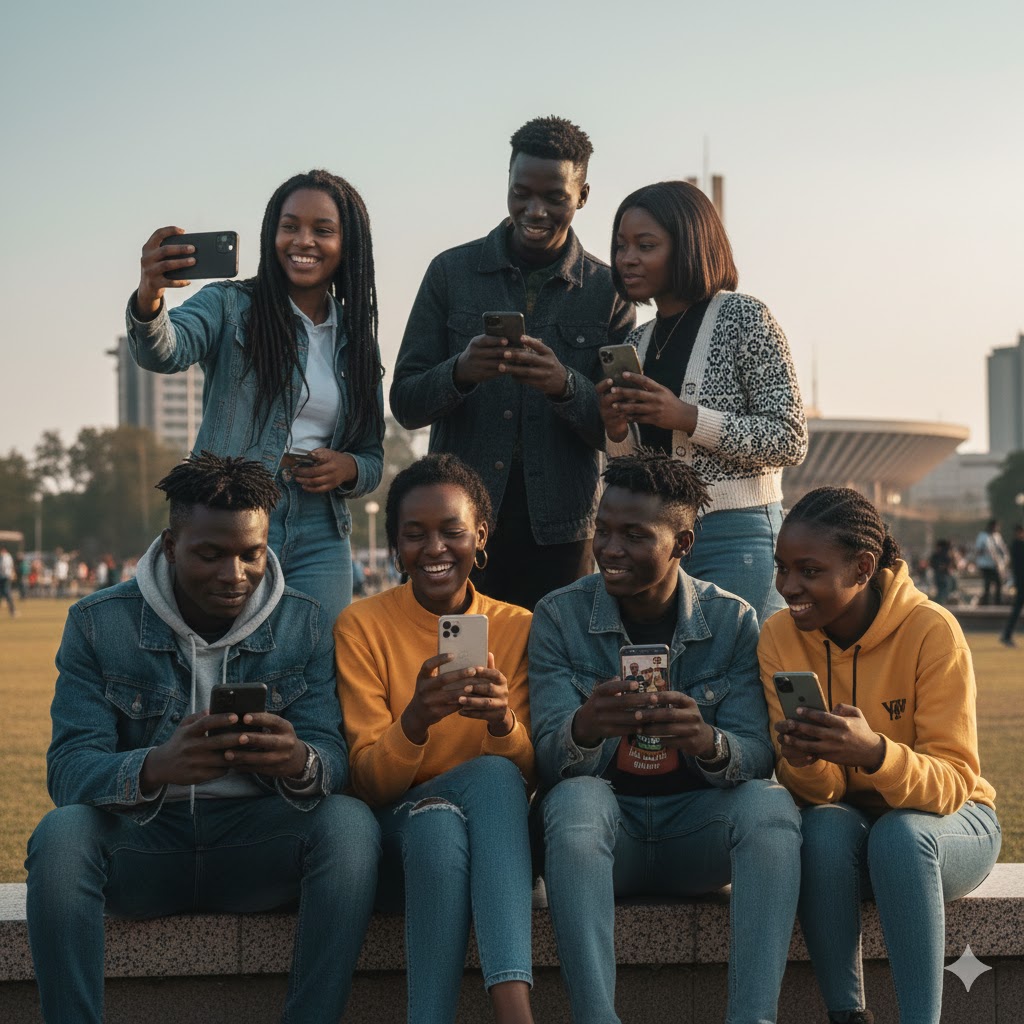
This drama transforms politics into a form of entertainment that Gen Z can watch, comment on, and participate in online.
The personalities of candidates — their charisma, controversies, and even social media presence — further amplify youth interest.
Lower-level elections, while crucial, often lack this level of spectacle. There are fewer viral moments, less media coverage, and less perceived excitement, making it harder for young people to become emotionally invested in local leaders.