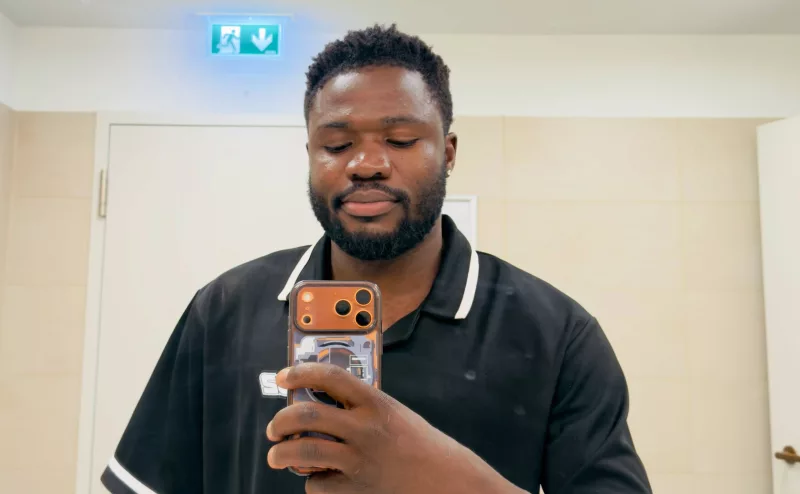
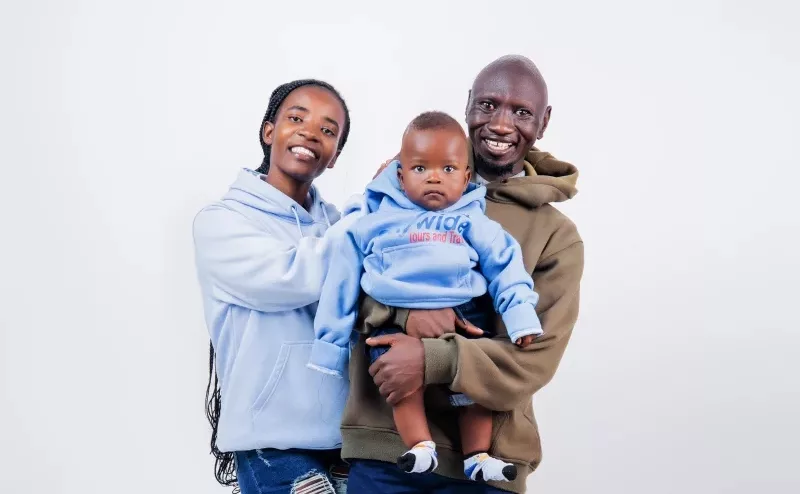
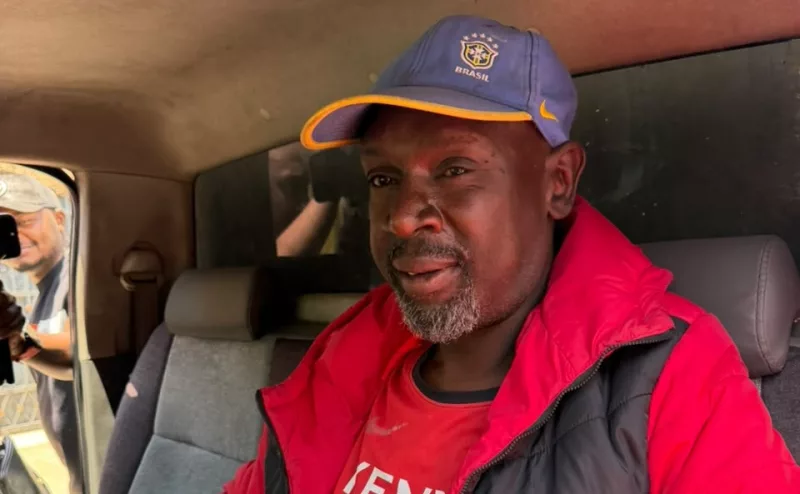
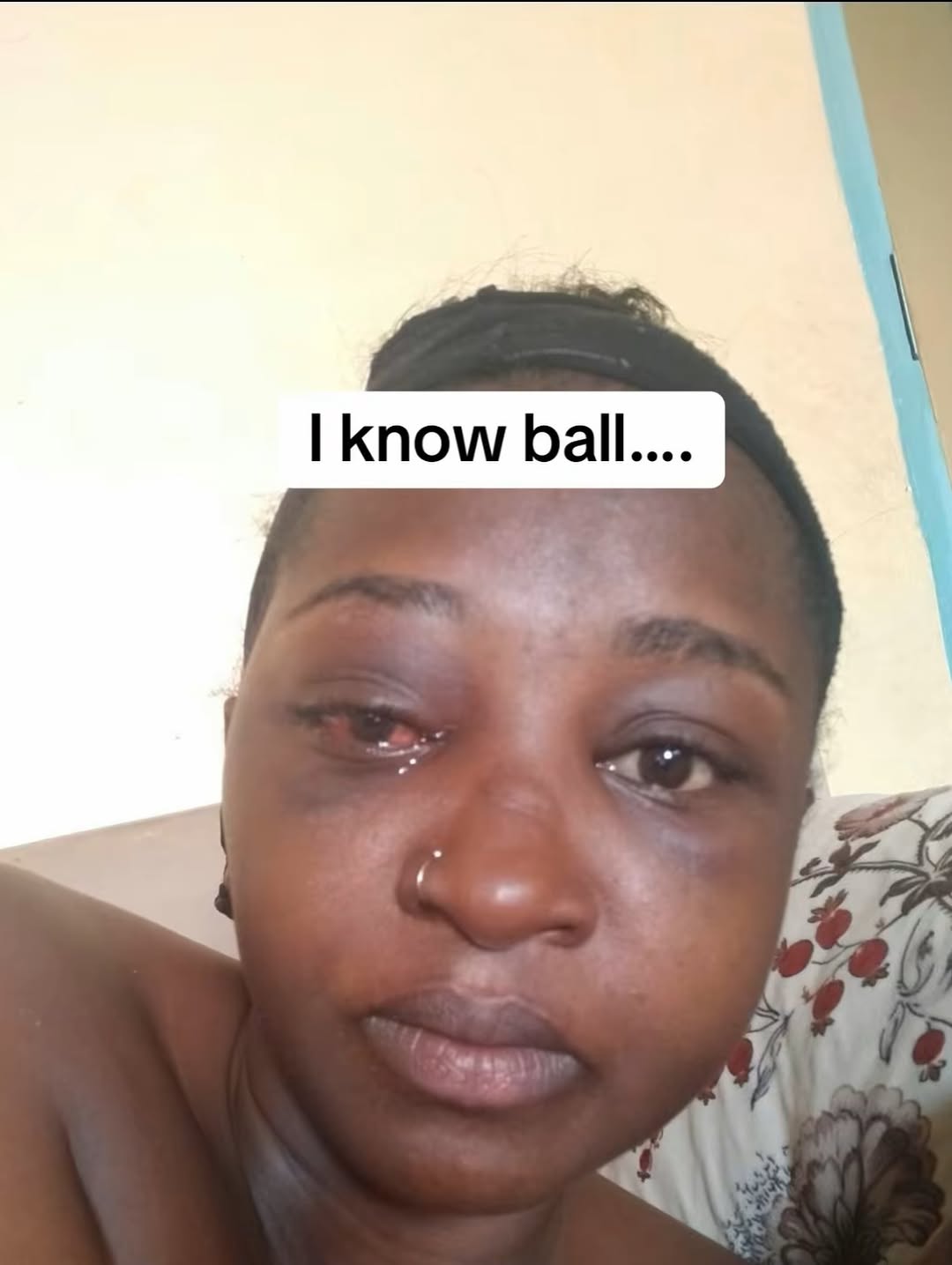
Kenyan actress Njambi, popularly known for her role in The Real House Helps of Kawangware, has opened up about her harrowing experience with gender-based violence (GBV), sharing emotional photos and a candid message on social media. Her post, released as Kenya marks the close of the 16 Days of Activism Against Gender-Based Violence, highlighted her journey from pain to resilience.
Who is Njambi?
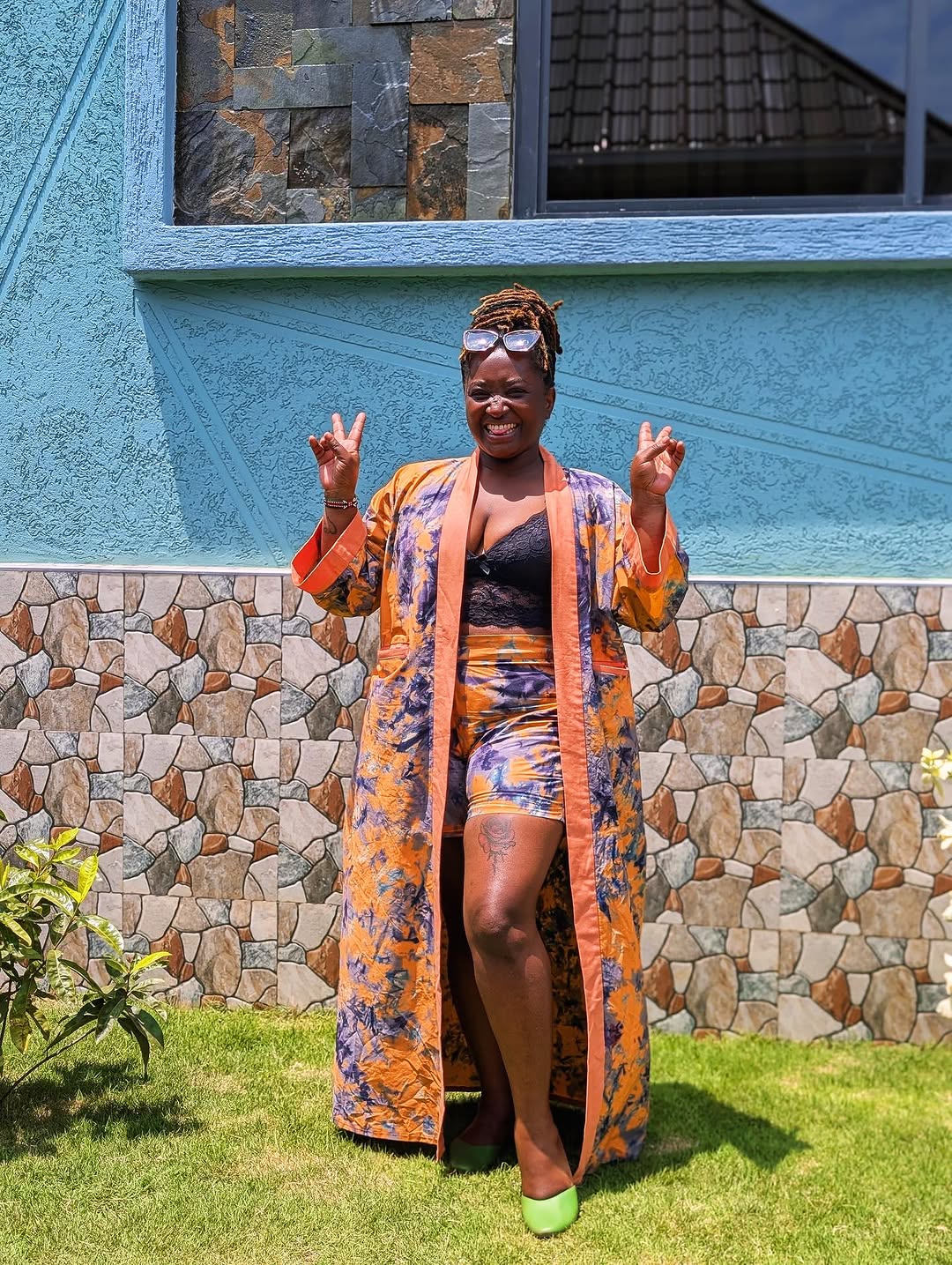
Njambi, rose to fame through her comedic and dramatic performances on the hit TV series The Real House Helps of Kawangware. Known for her ability to blend humor with relatable social commentary, she has become a household name, admired for her talent and authenticity. Beyond her work on screen, Njambi has been increasingly vocal about social issues affecting women in Kenya, particularly GBV in her recent post.
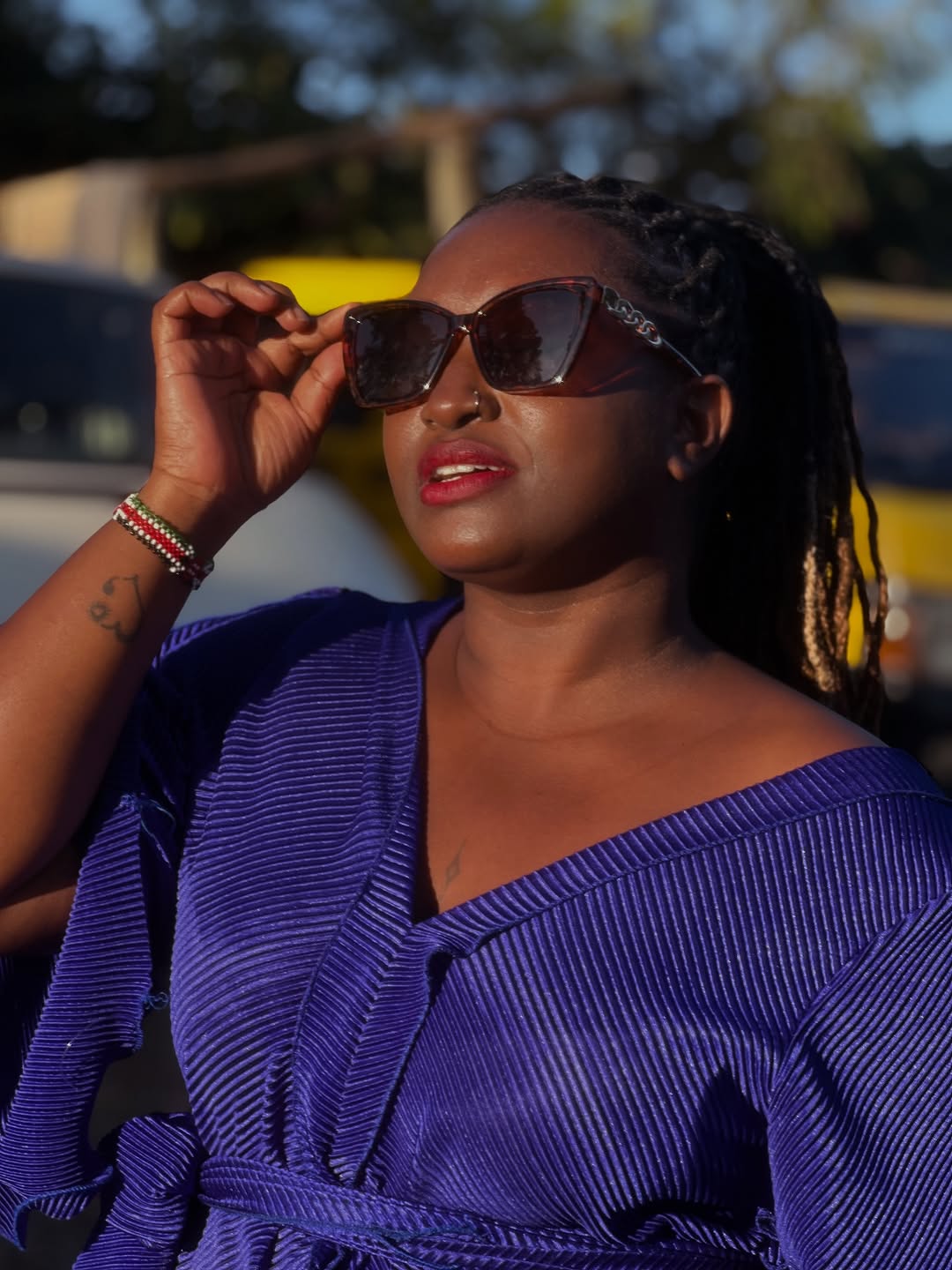
Survivor’s Story
Actress Njambi Karanja shared a deeply personal account of her experience with gender-based violence (GBV), describing both the pain she endured and the strength she gained afterward. In her social media post, she referred to “losing pieces of herself,” which indicates that the abuse had a profound emotional and psychological impact, leaving her feeling broken or diminished at the time.
However, her story is not just about victimhood. Njambi emphasizes resilience and recovery. She states that despite the suffering, she emerged as a “stronger version” of herself. By identifying as a “survivor then, survivor now,” she frames her experience as one of ongoing strength, not a single moment in the past. This highlights that survival from GBV is a continuous journey, requiring courage, self-reflection, and support.
Her post also coincided with the 16 Days of Activism Against Gender-Based Violence, linking her personal narrative to a wider social movement. By sharing emotional photos alongside her message, she invites the public to see the human side of GBV and recognize the emotional scars it leaves behind.
Sonko’s Case and Wider Societal Reflections
The issue of GBV has recently gained attention through the experience of Nairobi former governor Mike Sonko’s daughter, who was reportedly victimized. Sonko publicly reflected on the wider societal problem, questioning the safety of countless young women and men in Kenya who silently endure abuse.
Speaking on the importance of family engagement and understanding in relationships, he said:
“Marriage is never a smooth road. It is built through storms and sunshine, through patience, forgiveness, and understanding. But when challenges turn into violence, when love turns into fear, then the very foundation of that marriage is shaken. No one deserves that.”
Sonko’s reflections underscore the systemic nature of GBV and the urgent need for public awareness, support structures, and family involvement to prevent abuse.
Also Read: TRHK actress Njambi brags about being attracted to bad boys
Njambi’s disclosure comes at a time when activists and survivors across Kenya are advocating for stronger measures to combat GBV. Civil society groups have called on the government, law enforcement agencies, and communities to provide safer spaces, accessible reporting mechanisms, and emotional support for victims.
Where to Report
In Kenya, victims of GBV can report cases to the;
1 GVRC – Gender Violence Recovery Centre (Nairobi): 24/7 helpline (0719‑638 006), trauma counselling, legal aid, medical care, and rehabilitation.
2 Usikimye (Nairobi): Safe shelters, psycho-social counselling, and community outreach.