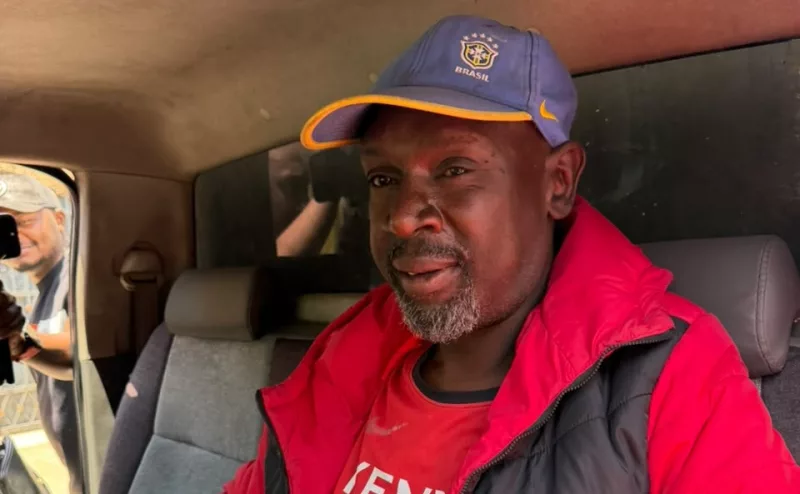
Sauti Sol’s Savara Mudigi has offered a rare and detailed reflection on the group’s journey, structure, discipline, and long-term vision during a sit-down on Alex Mwakideu’s podcast.
In a conversation that explored the band’s foundations and internal dynamics, Savara shed light on how the quartet grew from young experimenters into one of Africa’s most influential music acts.
Speaking about the group’s formation and early years, he noted that their bond was rooted in shared experiences and challenges.
“I think it all boils down to how we met and how we were brought up individually,” he said. “We were built from certain situations — discovery, trial, and a lot of learning. We were like guinea pigs, trying things for the first time. It was a blessing because we got to discover new things together.”

Savara explained that the group’s evolution came through making mistakes and learning collectively.
“We’ve grown as a community. We’ve made mistakes, but we’ve grown as a family. Getting into the music industry at a young age required discipline, and education helped. Everything we’ve done — musically and financially — has been calculated. Nothing happened by chance.”
Experience , Global Exposure and Discipline as Catalysts
The musician described the value of years spent touring and experimenting with different sounds. “For about seven years straight, every year I’ve been on tour.
Being in a group gave me two artistic lives — ten years in my twenties, and now my solo career in my mature stage. Once you stop learning, you start dying.”
He added that global demand for African creativity continues to grow. “When I go to the States or Amsterdam Dance Music Event — the biggest festival for electronic music — they invite me as an African singer, music producer, and artist. The world is focusing on Africa right now.”
ALSO READ: Sauti Sol Celebrates 5 Years Of Their Most Streamed Album In Kenyan History
Savara emphasized that Sauti Sol’s success has been rooted in collective effort and an efficient internal system.
“It’s a collective effort — individually and as a group,” he said. “When we travel and see how top musicians operate, they all have a factory-like system behind them. That’s what we’re building too. Soul Generation is about discipline. That’s the difference.”

Setting the Record Straight on SolFest
Addressing conversations around SolFest and speculation about the “last Sauti Sol performance,” Savara remained firm about the group's approach. “That is my business. You must oil your machine. If you don’t oil your machine, nobody will explain your vision for you,” he said.
He described SolFest as more than just an annual concert. “SolFest is our festival. When you’re building a company, especially from the ground up, the vision bearer has to do the dirty work — not necessarily performing, but ensuring the foundation is strong.”
Savara highlighted that the festival’s decisions are rooted in strategy rather than emotion. “We go for meetings, board meetings. We make sound decisions based on the market, not emotions.”
A Generational Festival With a Long-Term Vision
This year’s SolFest, he said, is built with a clear understanding of the group’s multi-generational fan base. “We have a generational following — from grandmothers to kids. To serve that kind of audience, you must build generational systems,” he explained.
“SolFest is heading toward accommodating different artists from different generations. It’s about celebrating Kenyan music and Kenyan culture.”
He noted that the evolution of music — including young artists sampling legendary sounds — will influence SolFest’s direction. “SolFest and Soul Generation exist to maintain that cycle of creativity year after year. We grow season by season — not exponentially and blindly — but steadily, because that’s where many people fail.”

Savara also touched on how the members handled their solo careers without conflict. “In the beginning, there was a plan so that we didn’t cannibalize each other’s solo careers.
After two years, the strategy evolved. We don’t compete — we appreciate each other and push each other. All our projects feed off each other.”