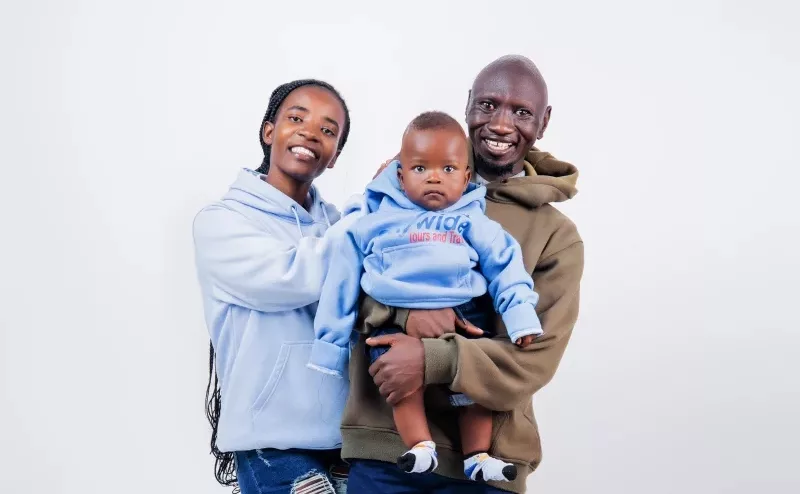
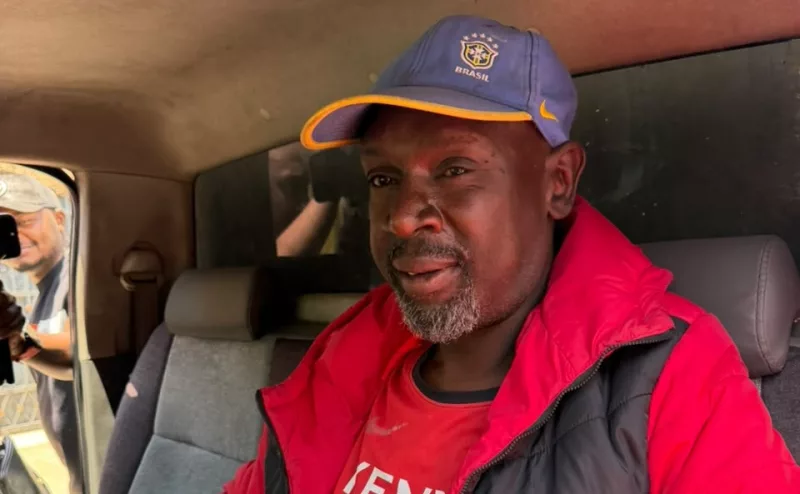
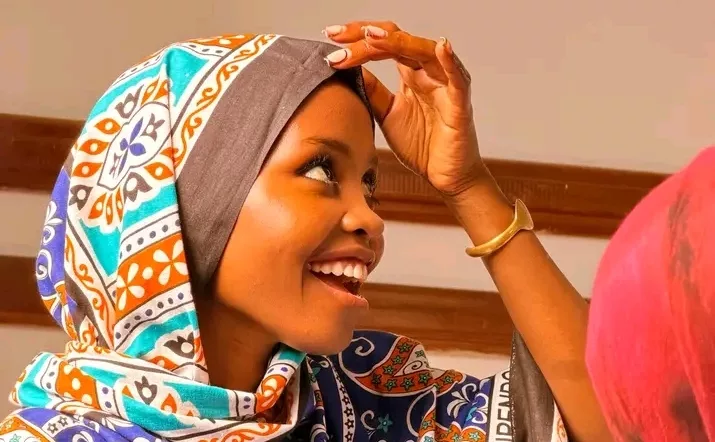
Ciru Muriuki has opened up about the darkest period of her life, recalling how online speculation, cruelty, and false allegations consumed her in the days following the death of her fiancé Charles Ouda in February 2024.
Speaking in an interview with @sautisessions , she revealed that the grief of losing her partner was compounded by a wave of digital hostility that escalated beyond public curiosity into targeted blame.
Muriuki said that after her fiancé passed away, she immediately became the subject of intense online speculation.
According to her, the scrutiny quickly morphed into damaging narratives and fabricated claims about her involvement and past relationships. She traced the turning point to a widely circulated online post which claimed:
“Ciru Muriuki is a red side girlie she also had a boyfriend in USIU who overdosed and died in his room.”
Shiro clarified that the claims were entirely false, saying she had never studied at USIU nor dated an Indian man.

Family Shielded Her From Online Vitriol
Reflecting on the immediate aftermath, she expressed gratitude toward her family, who intervened to protect her from the flood of social media reactions.
“Around that time in the days after Charlie’s death I have to say I am grateful to my family because the one thing they did is hide my phone,” she said.
She explained that she was unaware of what had unfolded online during the first 24 hours after Charlie's death , only discovering the extent of the backlash once she regained access to her phone.
“I started to see the vitriol and the hatred from people who don’t know me and we’ve never met and knew nothing about me,” she recalled.
A Breach of Moral Codes and PTSD Diagnosis
Muriuki described the experience as deeply unsettling, noting that she had been raised with values that discouraged ridicule of the vulnerable.
“I think for me that was shocking as a Kenyan and African and as a person of a certain age I was raised with certain moral code—no.1 don’t make fun of the disabled, no.2 don’t make fun of the bereaved,” she said.
She described the online attacks as an example of how dark the digital space has become, questioning why strangers sought to “kick her while she was down.”
ALSO READ: Grief Looks Different Across Cultures: Ciru Muriuki Blasts Ethnic Prejudice in Mourning Debate
“I was not even asking for grace and empathy, all I wanted was to be left alone. Just let me grieve alone and even that basic human decency wasn’t accorded to me,” she said.

The sustained online hostility, combined with personal loss, led to serious psychological consequences.
Muriuki revealed that the experience resulted in a diagnosis of complex PTSD, describing how fear and anxiety began affecting her daily functioning.
“It made me even fearful of going outside,” she said, emphasizing how grief was compounded by public intrusion.
Online Harassment in Kenya: A Growing Pattern Affecting Public Figures
Online harassment has become a growing concern in Kenya as social media use continues to rise, exposing users—especially public figures—to cyberbullying, trolling, impersonation, and coordinated online attacks.
Activists, journalists, and digital creators have increasingly raised alarms over how hostile online spaces can become, particularly for women, who face gendered insults, body shaming, and threats.
The issue has prompted discussions on digital safety, mental health, and the need for stronger enforcement of Kenya’s cybercrime laws, which remain difficult to implement despite existing legal provisions against defamation, harassment, and non-consensual publication of personal information.
Several well-known Kenyan influencers have publicly spoken about facing harassment online, highlighting how widespread the issue has become within the digital community.
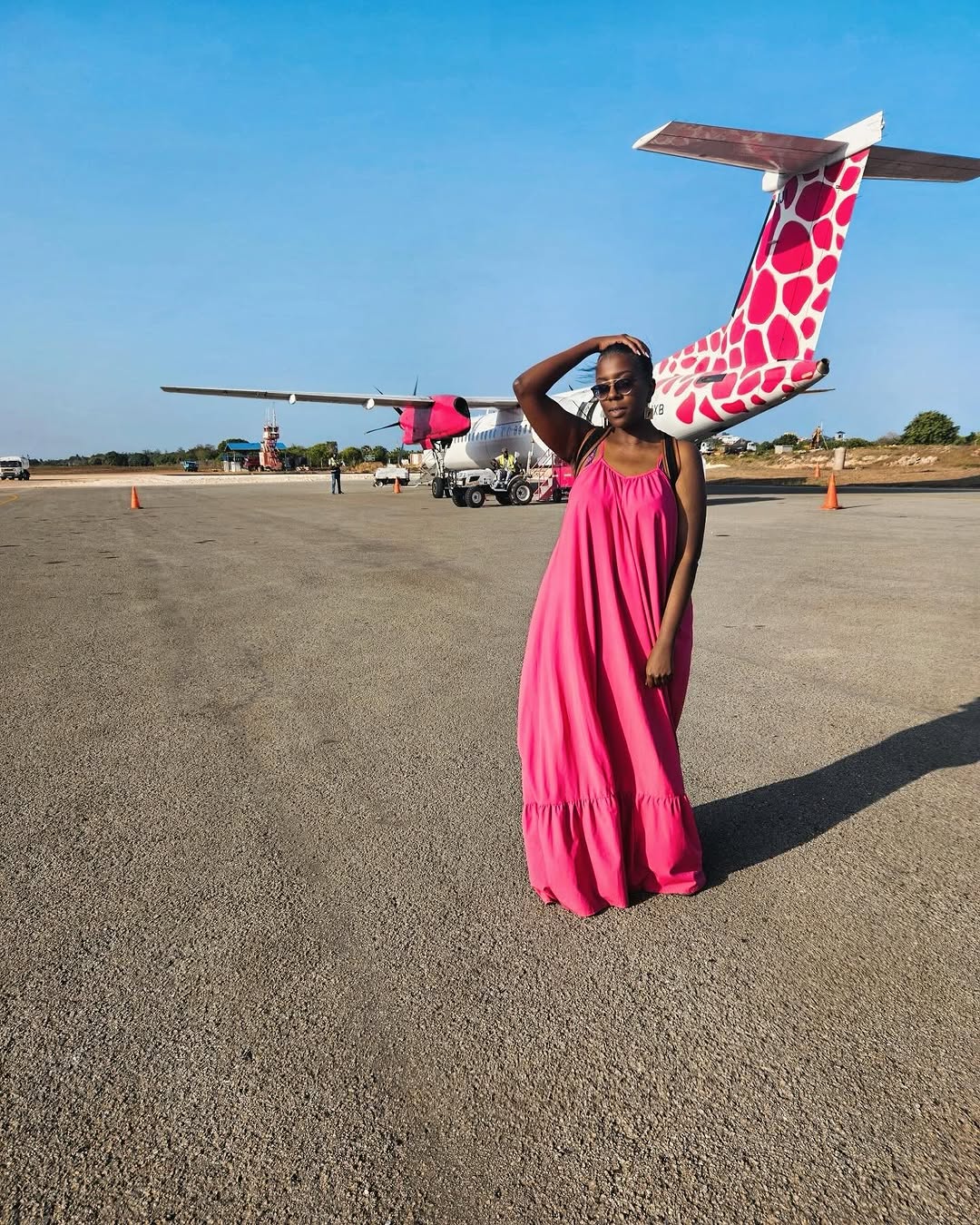
Personalities such as Elsa Majimbo, Azziad Nasenya, Sheila Kwamboka, Eve Mungai, and Anerlisa Muigai have each encountered waves of online abuse ranging from criticism and misinformation to targeted smear campaigns.