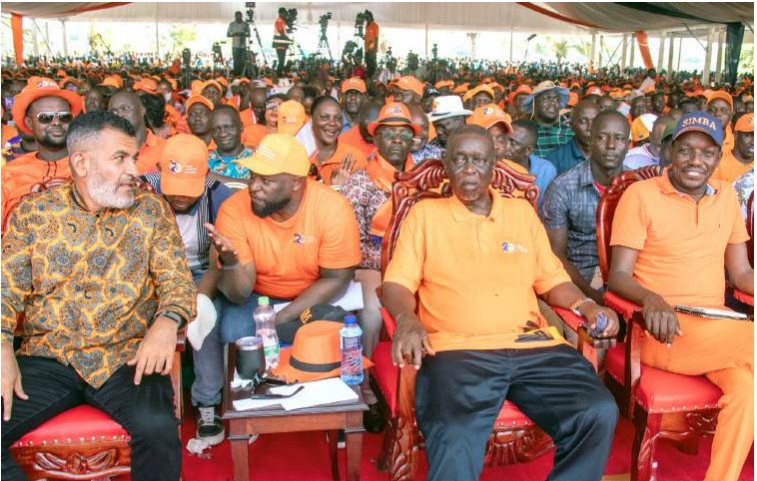
As the Orange Democratic Movement marked its 20th anniversary, the festivities were overshadowed by an internal crisis. The party, a cornerstone of Kenyan opposition politics for two decades, finds itself at a crossroads.
The central conflict, which threatens to redefine its identity, pits proponents of continued engagement with President William Ruto’s administration against loyalists who believe the party’s soul lies in vocal, uncompromising opposition. The outcome of this struggle will very likely determine ODM’s fate, and could also set a precedent for the future of internal democracy within political parties.
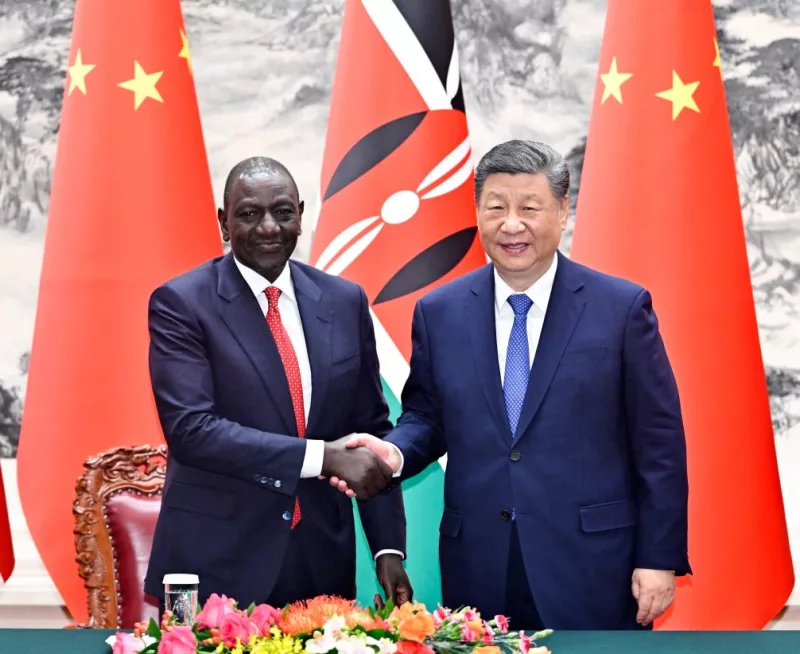
ODM’s turmoil stems directly from leader Raila Odinga’s strategic pivot towards a broad-based government with Ruto. Initially intended to create cohesion and unity in the country, the collaboration has created a vacuum of purpose and ignited a fierce debate over the party’s direction.
Key figures, once united in their opposition to the ruling Kenya Kwanza alliance, now publicly articulate starkly different visions.
Siaya
Governor James Orengo — still a vocal critic of the
partnership — has warned against the dangers of ODM becoming absorbed into the
government it was formed to challenge. Orengo’s discomfort can be understood,
as he was among the men and women who championed multi-party democracy in the
’90s, alongside his party leader.
Embakasi East MP Babu Owino and ODM secretary-general Edwin Sifuna share Orengo’s view.
But Raila quelled the simmering dissent by repeatedly reminding party members that ODM was in the broad-based government and as such, some compromises would have to be made.
All was well, until the fissure appeared again at Raila’s funeral, and remained open during the party’s recent celebrations.
The question of how the party will conduct itself within the broad-based government and how it will approach the 2027 general election may have been tempered for a while, but is far from dead.
During the ODM@20 celebrations, influential figures were again pulling in different directions. Raila’s daughter, Winnie Odinga, appears determined to make her mark in the party ranks. She championed a pragmatic approach, calling for the inclusion of more young people in ODM’s operations.
Winnie urged for a return to the drawing board – seeking delegates’ opinions on key matters affecting the party and its conduct going forward. Her stance appears to align with Sifuna’s. She boldly differed from her uncle and new party leader Oburu Oginga, who wants the status quo regarding ODM’s relationship with Kenya Kwanza maintained.
But perhaps the more pressing issue is who stays and who goes: will the party loyalists or family members remain holding the title deed? As Raila’s long-serving spokesman opined, some people followed the ODM leader and not necessarily the party. Had Raila decamped, they would have done so with him.
The question now looming is stark: can ODM survive the storm? As one of the oldest and most robust active parties, its potential demise or fragmentation would send shockwaves through the political landscape.
If a party with ODM’s institutional memory and national reach cannot navigate this transition – pacifying its young and restless as well as its old, tried and tested – it signals profound challenges for building stable, ideology-based parties in Kenya.
Should the party fail to reconcile these warring factions, the potential for a major political realignment is immense. A formal split could see a significant bloc, possibly led by governors and senators from the party’s heartland break away to form a new, explicitly oppositionist vehicle.
Such a rupture would fundamentally alter the opposition landscape, potentially creating a more fragmented but also more ideologically coherent alternative to the current government. It would force a realignment of political alliances across the country, with ripple effects touching every corner of Kenyan politics.
The future of ODM is therefore about much more than the fortunes of a single party. It is a live case study in the maturation of Kenyan democracy. The party’s ability to manage internal dissent, debate its direction transparently and either redefine its mission or peacefully accommodate a split will be closely watched.