A viral bride price list allegedly issued by a family has ignited intense debate across social media, with many Kenyans expressing shock, disbelief, and humor at the unusually extravagant demands.
The list, first circulated by Nairobi Gossip Club, outlines a staggering array of items—from livestock and electronics to millions of shillings and massive food supplies—leaving many questioning whether the intention is marriage or fundraising.
The Extravagant List That Triggered Debate
The document, titled “Bride Price List”, demands an extensive catalogue of items from the groom’s family, including:
5 fat cows
50 broiler chickens
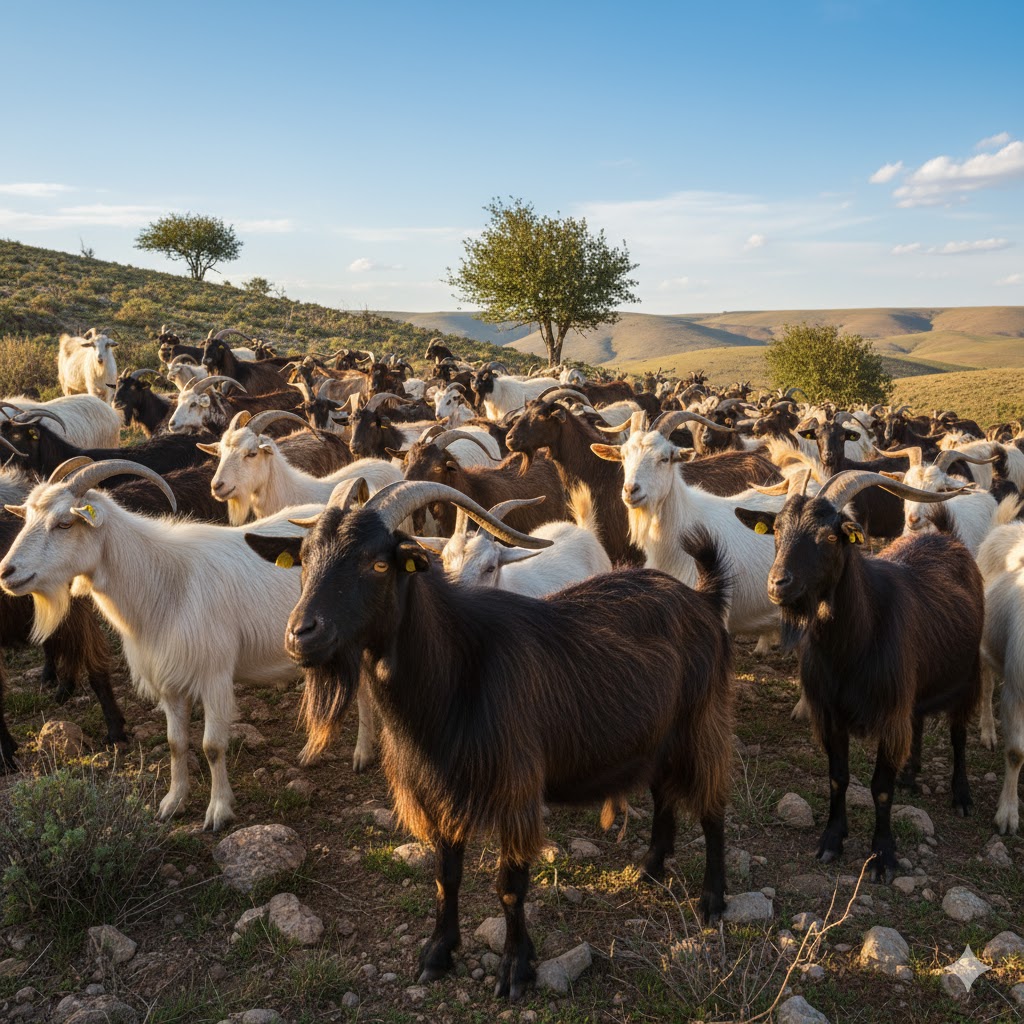
30 virgin he-goats
100 bags of cement
50 crates of beer
10 million shillings for the family
5 million for the community
iPhone 17 Air for the bride’s mother
iPhone 17 Pro Max for the bride’s father

Among other items are ; 50 cartons of Indomie, Solar panels,10 bags of foreign rice, Original bush meat among others
The list has left many Kenyans stunned, with its mixture of traditional requirements, modern luxuries, and what many considered exaggerated or humorous requests.
Social Media Reactions: Shock, Humor, and Frustration
Netizens quickly flooded comment sections with a mixture of astonishment and jokes. Some questioned the practicality of the list, while others hinted it might be an indirect way of rejecting the groom.
Among the reactions:
@ssdavido:“Are we marrying the daughter or the family?”
@kennox254:“Heri wakae na huyo msichana wao.”
@onyango_tate:“iPhone Air for the bride’s mother got me.”
@jcjinkens:“30 virgins he goats?!!”
@2mbili:“BRIDE PRICE ❌ DONATION ?.”
@mr.rizz254:“Najua some ladies are worth it lakini hio list iko enough to change a man's life….”
@djmasumbuko:“Hawa ni kama hawataki msichana wao aolewe.”
ALSO READ: Gen Z Debates: Why Kenyan Court Ruled Women Must Return Dowry After Divorce
The viral reactions reflect a growing frustration over what some perceive as rising, unrealistic bride price expectations in certain communities.

Understanding Bride Price
Bride price—locally known as dowry or bride wealth—is a customary practice in many African communities, symbolizing appreciation to the bride’s family and cementing ties between families. Traditionally, it involved livestock, wrappers, or modest household goods.
Traditionally, it was meant as:
A gesture of gratitude to the bride’s family.
A symbol of commitment and unity between families.
A cultural rite honoring ancestral customs.
Historically, this often included items such as goats, cows, fabrics, and palm wine. However, modernization has influenced some families to incorporate cash, electronics, luxury items, and large-scale commodities—raising concerns that the practice is becoming commercialized.
However, in recent years, some families have been accused of turning the practice into a transactional or exploitative demand, pushing for cash, electronics, or luxury items far beyond traditional norms.
Critics argue that exaggerated bride price lists commercialize marriage and place undue financial pressure on young men, while supporters maintain that families have the right to set their expectations.
A Growing Debate on Cultural Practices in Modern Society
The viral list reignites the broader discussion about how traditional customs evolve over time.
Many Kenyans argue that some families now treat bride price as a fundraiser or a wealth-building opportunity, burdening young couples and discouraging marriage altogether. Others maintain that each family has the right to set its expectations.
Cultural experts warn that when dowry demands become excessive, they lose symbolic value and can contribute to strained relationships, financial pressure, and even gender inequality.
As the discussion continues, one thing is clear: the viral bride price list has forced society to re-examine the balance between preserving tradition and embracing practicality in modern relationships.