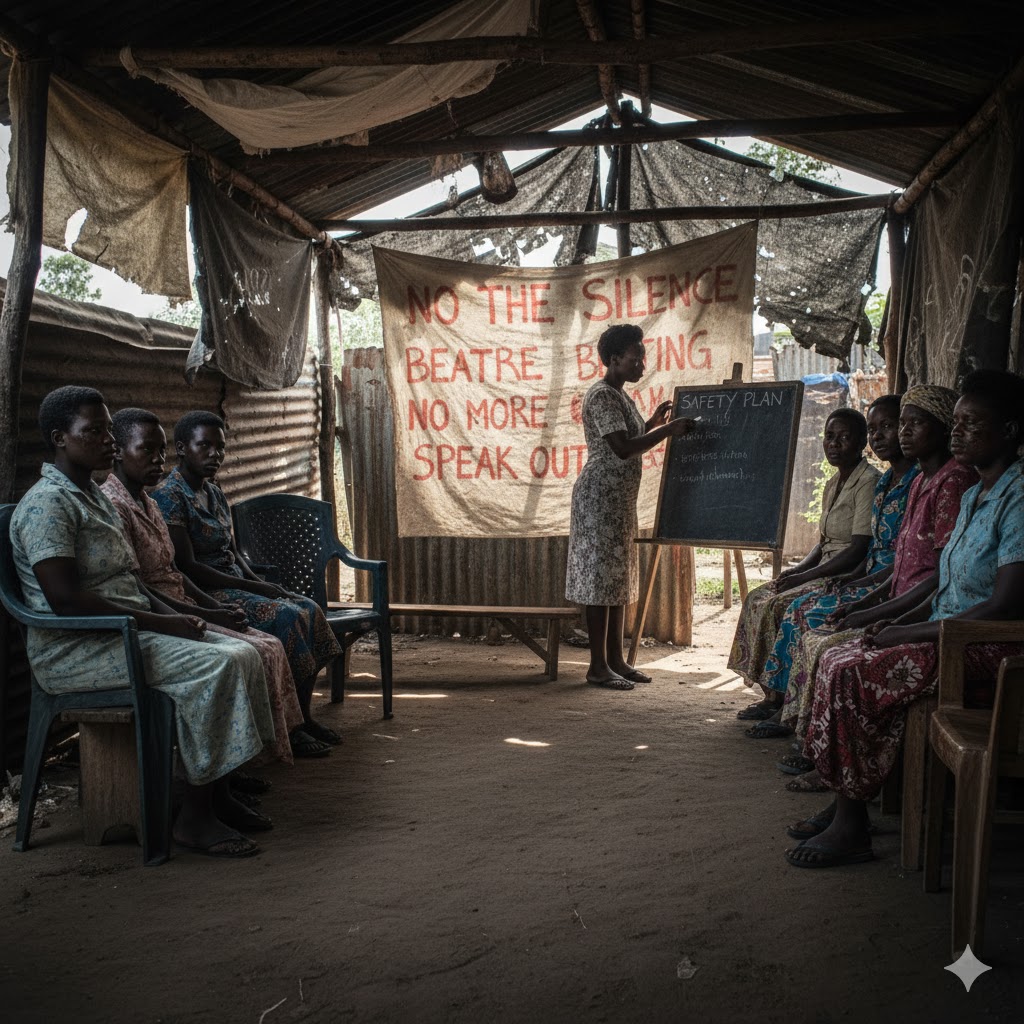
Gender -based violence (GBV) remains a pervasive global crisis, affecting millions of individuals every year.
Defined as harmful acts committed against someone because of their gender, GBV includes physical, sexual, emotional, and economic abuse. Beyond personal trauma, it undermines communities, disrupts livelihoods, and perpetuates cycles of inequality.
What is Gender-Based Violence?
GBV encompasses any behavior that harms or threatens a person based on gender. Women and girls are disproportionately affected, but men and boys can also be victims. Common forms include:
Physical violence: hitting, assault, or other bodily harm.
Sexual violence: rape, sexual harassment, or coercion.
Psychological abuse: manipulation, intimidation, or controlling behavior.
Economic abuse: restricting access to finances, employment, or property.
Also read: Sonko Shocked by High Number of GBV Victims Reaching Out to Him
Often occurring in private spaces—homes, workplaces, schools—GBV is frequently hidden, making reporting and intervention difficult.
Root Causes of GBV
GBV stems from systemic inequalities and social norms that reinforce power imbalances. Key drivers include:
Patriarchal systems: Societies valuing male dominance normalize control over women and girls.
Cultural norms: Practices like child marriage, dowry disputes, or rigid gender roles can perpetuate abuse.
Economic stress: Poverty, unemployment, and financial dependency increase vulnerability.
Conflict and instability: Wars and political unrest heighten risks, particularly for women and children.
Weak legal enforcement: Inadequate protection or enforcement of laws allows perpetrators to act with impunity.
GBV Support Centres in Kenya
Survivors in Kenya can access specialized centres that provide medical care, counselling, legal aid, and safe shelter.
GVRC – Gender Violence Recovery Centre (Nairobi): 24/7 helpline (0719‑638 006), trauma counselling, legal aid, medical care, and rehabilitation.
Usikimye (Nairobi): Safe shelters, psycho-social counselling, and community outreach.
CoVAW Kenya (Nairobi): Legal representation, advocacy, and empowerment programs.
CREAW Kenya (Nairobi): Counseling, legal support, research, and advocacy for women’s rights.
Together for Girls (National Coordination): Child protection, counseling, and community education programs.
Pesa Yetu (Nairobi): Economic empowerment, mentorship, and counseling services.
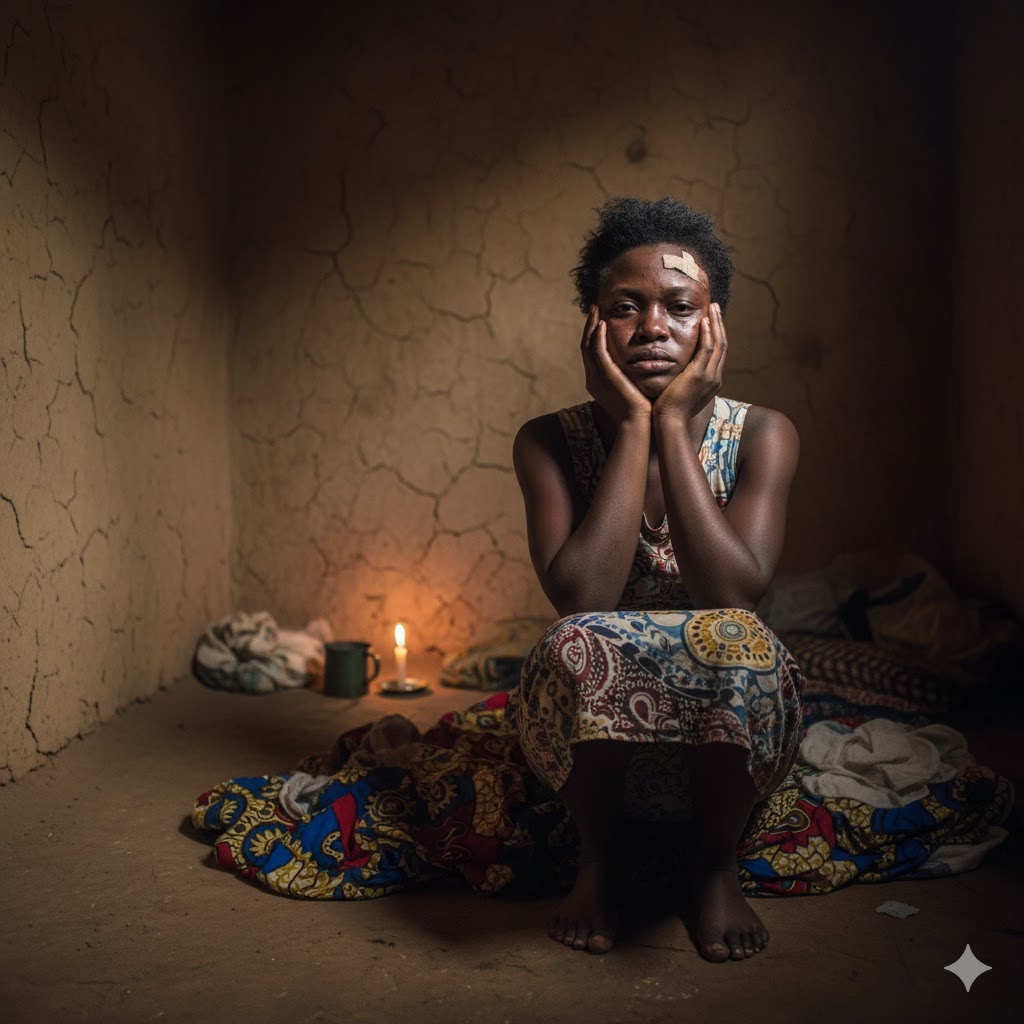
Global GBV Support Centres
Here are some of the Global GBV centres :
Thuthuzela Care Centres in South Africa (TCCs): Nationwide one-stop centres for rape and sexual assault survivors, offering medical care, counselling, legal support, and forensic examinations.
GBV Command Centre in South Africa : 24/7 national helpline (0800 428 428), providing referrals to police, social workers, and shelters.
Ikhaya Lethemba (Johannesburg): Shelter for women and children with counselling and social support services.
Lila.help / GNWS Women’s Helplines Directory: Comprehensive directory of GBV helplines worldwide.
International Rescue Committee (IRC): Offers GBV case management, psychosocial support, and medical care in over 40 countries.
Medica Mondiale (Germany): Supports women affected by sexual violence in conflict zones with medical and legal aid.
Womankind Worldwide (UK): Strengthens grassroots women-led organisations and advocates for legal reforms.
Raising Awareness: The Purple Profile Campaign
In South Africa, a purple profile campaign is mobilizing social media users to stand against GBV and femicide (GBVF).
Initiated by Women For Change, supporters change their profile pictures to purple as a symbolic act of mourning, resistance, and solidarity. Participants are also encouraged to wear black, observe a 15-minute midday standstill, and refrain from labor on November 21.
The campaign has spread across borders, with Kenyans and others joining, demonstrating that GBV is a shared global challenge. Social media activism amplifies survivors’ voices, sparks public discourse, and pressures governments to implement systemic reforms.
Gender-based violence is a complex social problem with devastating personal and societal consequences.
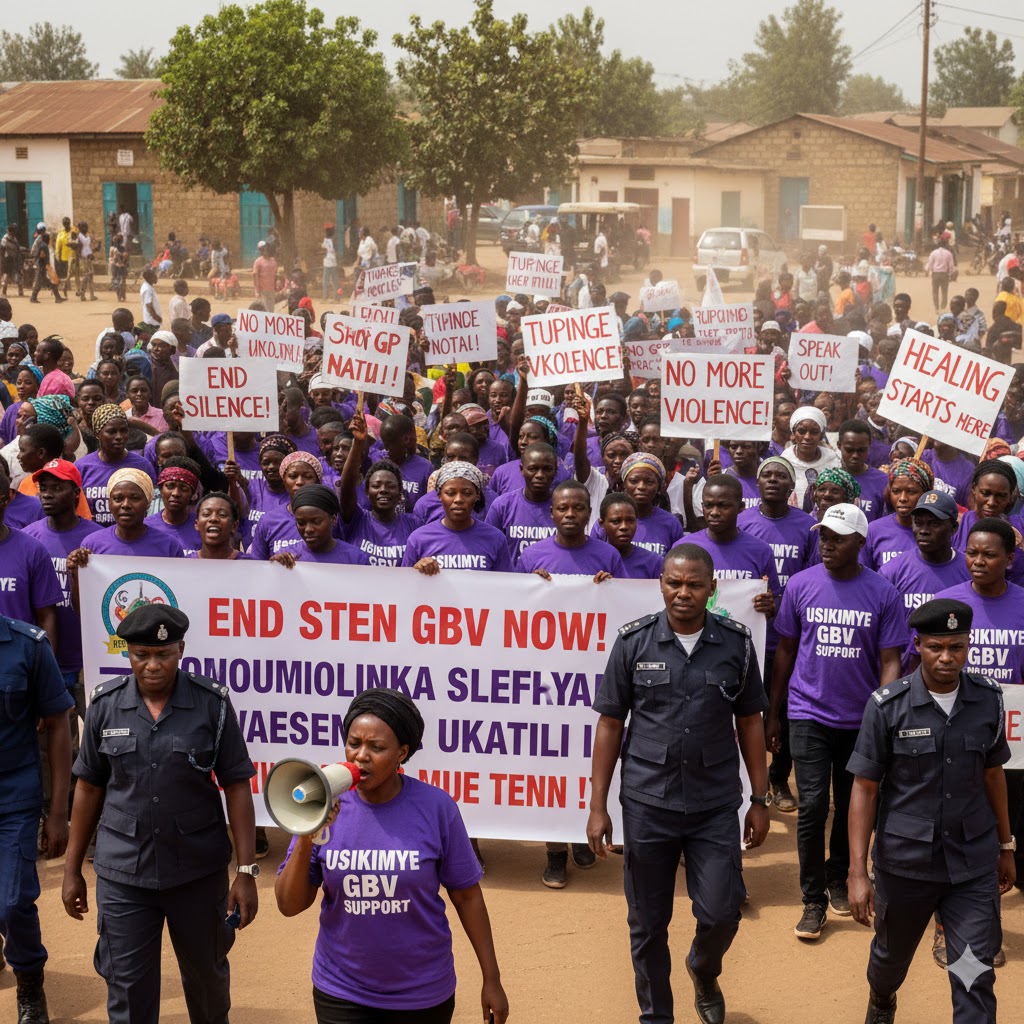
Understanding its causes, knowing where survivors can access help locally and globally, and raising awareness through campaigns like the purple profile movement are crucial steps toward ending GBV.
Organisations such as GVRC, CREAW, CoVAW, Usikimye, Thuthuzela Care Centres, POWA, and global networks like Lila.help provide life-saving support, helping survivors achieve safety, justice, and empowerment.