
Dennis Itumbi, the Head of Presidential Special Projects and Creative Economy Coordination, has revealed a surprising take on the online criticism frequently directed at President William Ruto.
During a recent interview with SPM Buzz, Itumbi admitted that he is, in fact, "one of the happiest persons" when the President receives negative feedback.
This revelation challenges the conventional view that political aides dread public attacks. Itumbi provided insight into how the Presidential team views and utilises sharp critique.

Embracing the Feedback Loop
For Itumbi, criticism acts as a crucial channel for raw and direct feedback. He stressed the importance of criticism for a healthy democracy.
He actively encourages citizens to criticize the President if they disagree with his actions. He also urges them to put forward viable alternatives to the policies.
Itumbi confirmed that comments, including those containing outright insults, are compiled and forwarded directly to the President’s desk.
ALSO READ: Itumbi Discusses Why He Has Never Suffered Heartbreak or Had His Fare ‘Eaten’
"So criticize a president. I mean, if you disagree with him on something, criticize, put your alternatives."
He believes that without this flow of criticism, fair democracy would be compromised. Itumbi noted that every conversation fundamentally contains two sides, and people should feel free to express themselves.

Boldness Attracts Cowards
Itumbi has held the privilege of working for two different presidents. He observed that typically, criticism surges leading up to an election, often influenced by political persuasions.
However, for President Ruto, Itumbi links the current high volume of critique to the "very bold stuff" the administration has undertaken. He pointed out that the President has initiated significant health reforms during his first term. This type of major policy change is often delayed until a president’s second term.
The highly debated housing levy was also pushed through in the President’s first term. Itumbi suggested that the administration was not concerned about how these decisions would affect the next re-election.
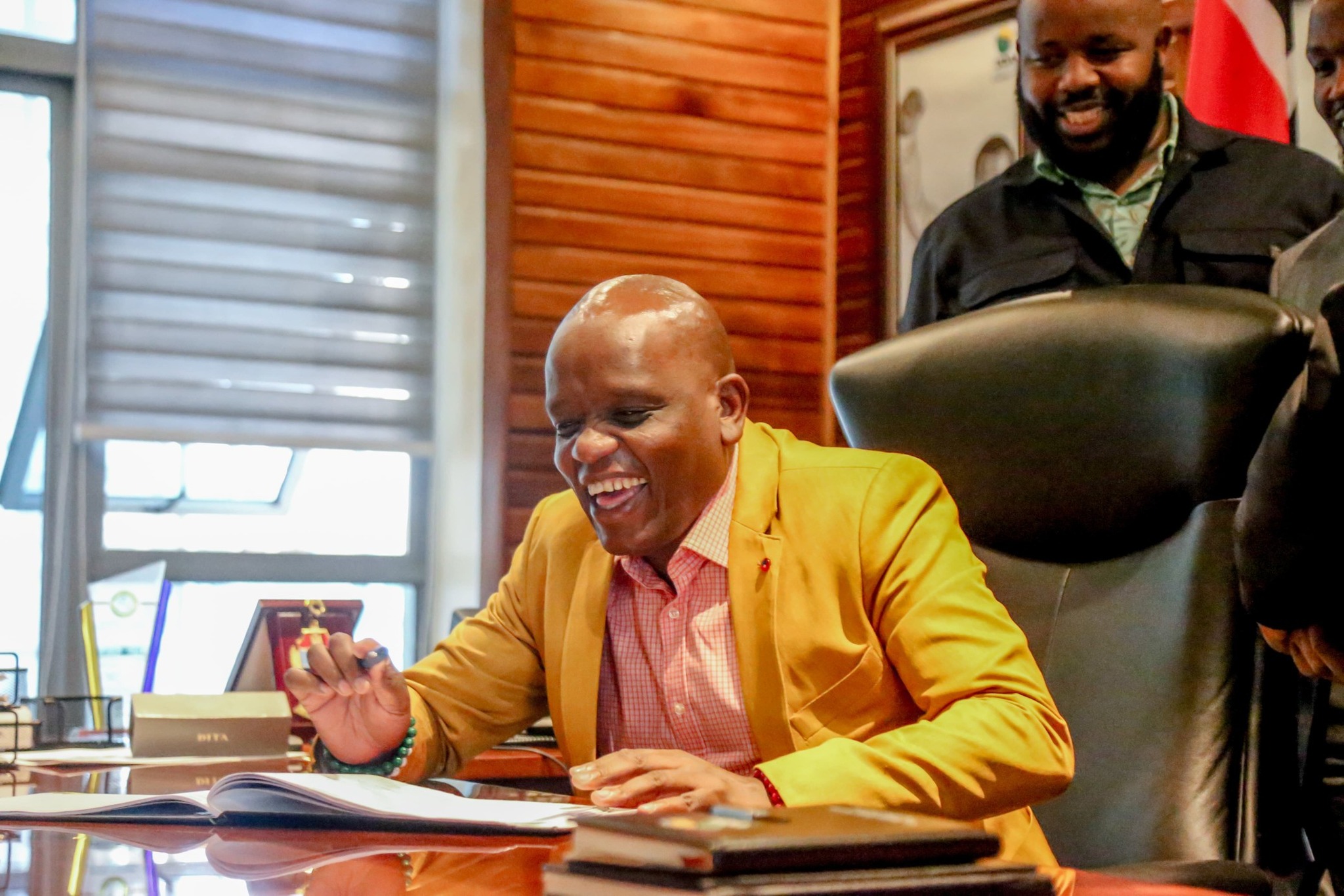
Itumbi believes that boldness inherently attracts various forms of criticism.
Learning to Manage the Pressure
Itumbi acknowledged that misinformation often fuels public pressure. Some critics are genuinely misinformed, while others are deliberately misled.
While he admits that sometimes the pressure from the public feels "too much," the team has developed methods to absorb and adapt to the criticism.
Itumbi concluded that despite the intensity, the administration views the level of criticism as "fair enough". They focus on learning how to take the pressure, adopt the useful parts of the criticism, and continue moving forward with their agenda.