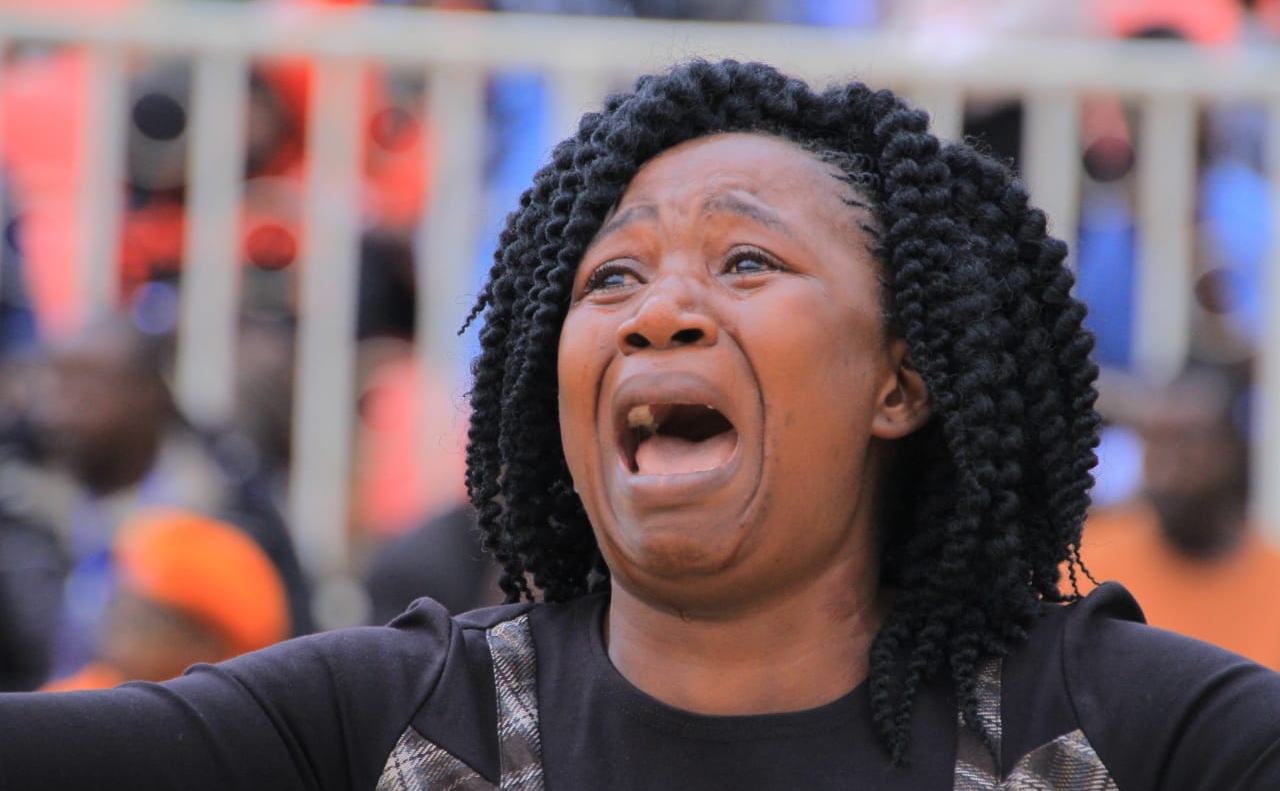
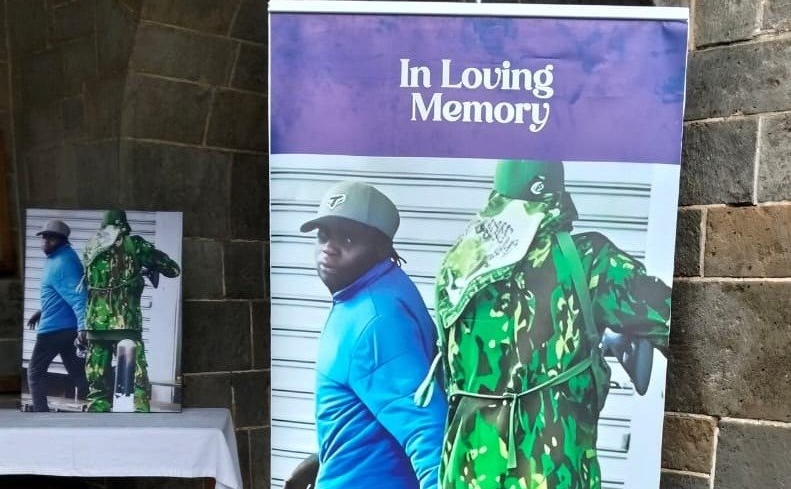
Few names in Kenya’s political history evoke as much passion, loyalty, and debate as Raila Amolo Odinga.
For over five decades, Raila was at the heart of Kenya’s democratic struggle—a man whose journey mirrored the country’s turbulent evolution from a one-party state to a modern democracy.
The Freedom Fighter
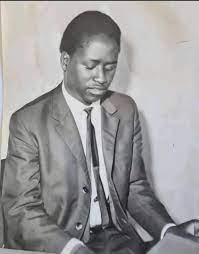
Born on January 7, 1945, in Maseno, Kisumu County, Raila was the son of Kenya’s first Vice President, Jaramogi Oginga Odinga.
His early studies in Mechanical Engineering in East Germany exposed him to socialist and liberation ideologies that would later shape his politics.
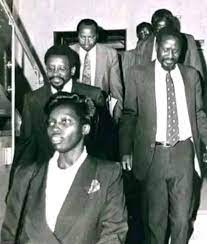
Upon his return in 1970, he soon aligned himself with the forces calling for multiparty democracy. This activism led to the darkest chapter of his life: the Detention Years.
Following the 1982 attempted coup, Raila was arrested and spent close to nine years in detention without trial, enduring isolation and torture.
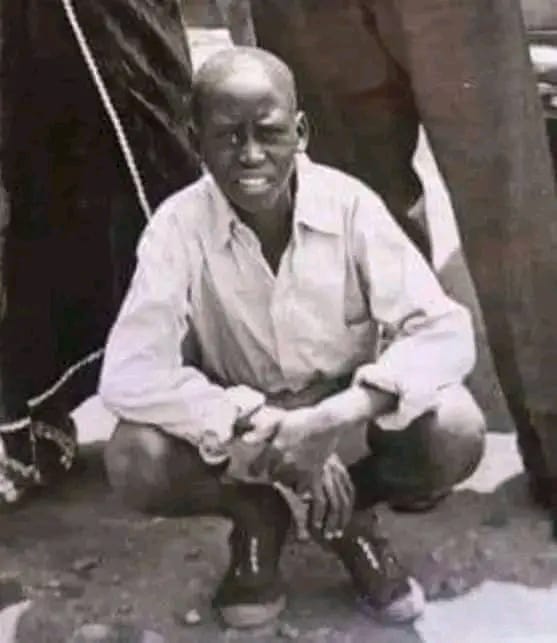
These years forged his resilience and solidified his reputation as a symbol of resistance.
“I went to prison for what I believed in—that Kenya deserves freedom,” he once said.
The Reformist and National Leader
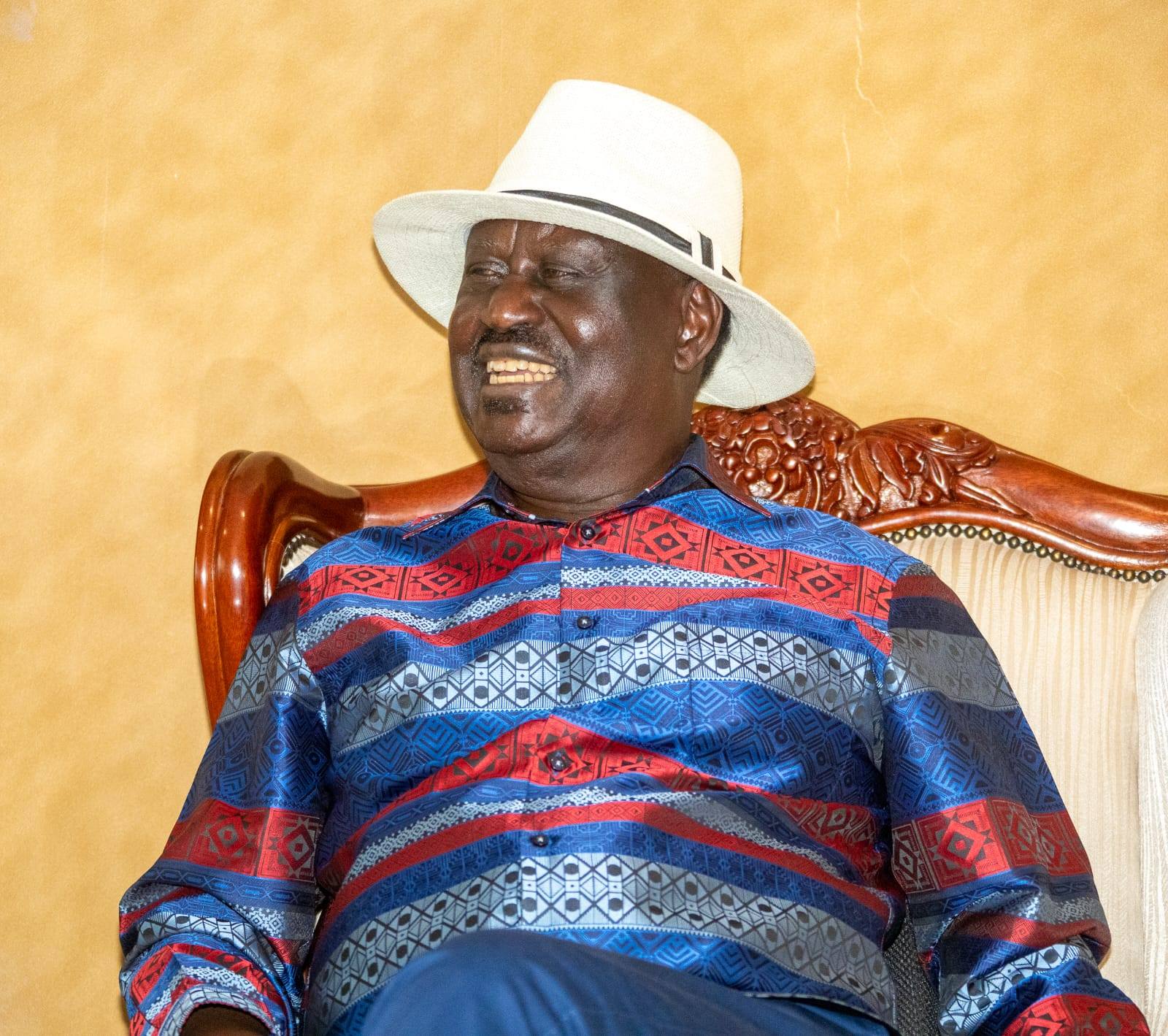
Upon his release, Raila rejoined the political scene with renewed vigor, playing a pivotal role in the Second Liberation movement that forced the reintroduction of multiparty democracy in 1991.
He was elected Member of Parliament for Lang’ata in 1992, beginning a long and influential career marked by courage and charisma.
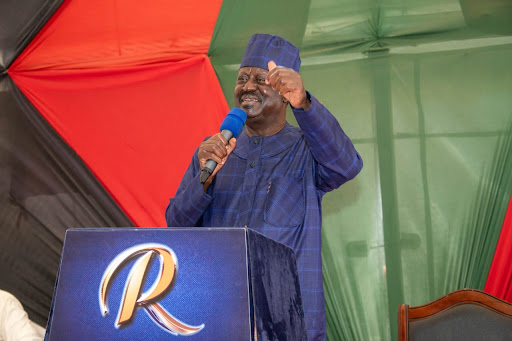
Raila Amollo Odinga//Faceook
His influence reached a peak when he helped consolidate the opposition to bring Mwai Kibaki to power in 2002 with his famous declaration, “Kibaki Tosha.”
He later served as Minister for Roads, Public Works, and Housing, driving major infrastructure initiatives.
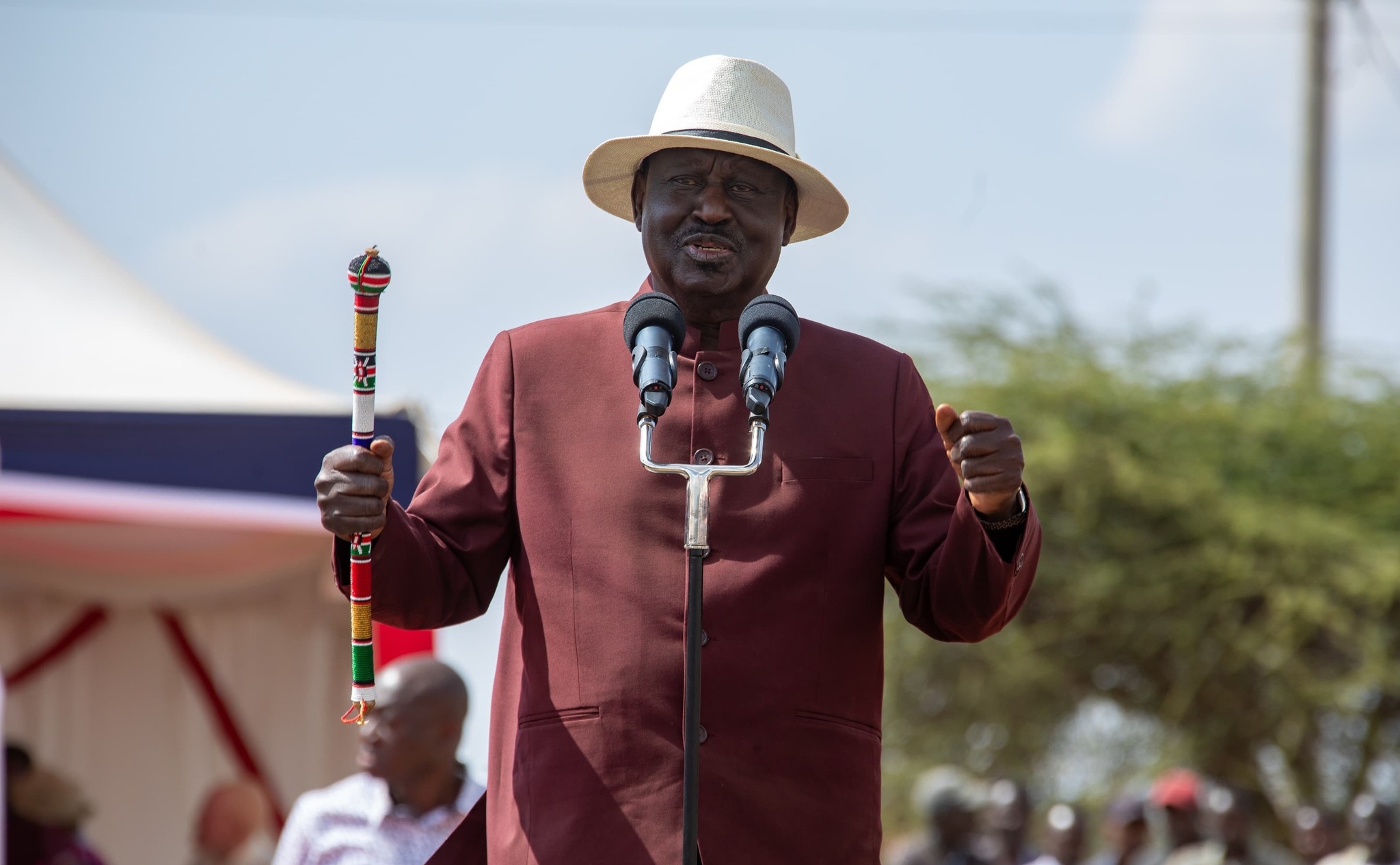
The disputed 2007 presidential election and subsequent violence led to the formation of the Grand Coalition Government, where Raila served as Prime Minister from 2008 to 2013—a period crucial for the passage of the landmark 2010 Constitution.
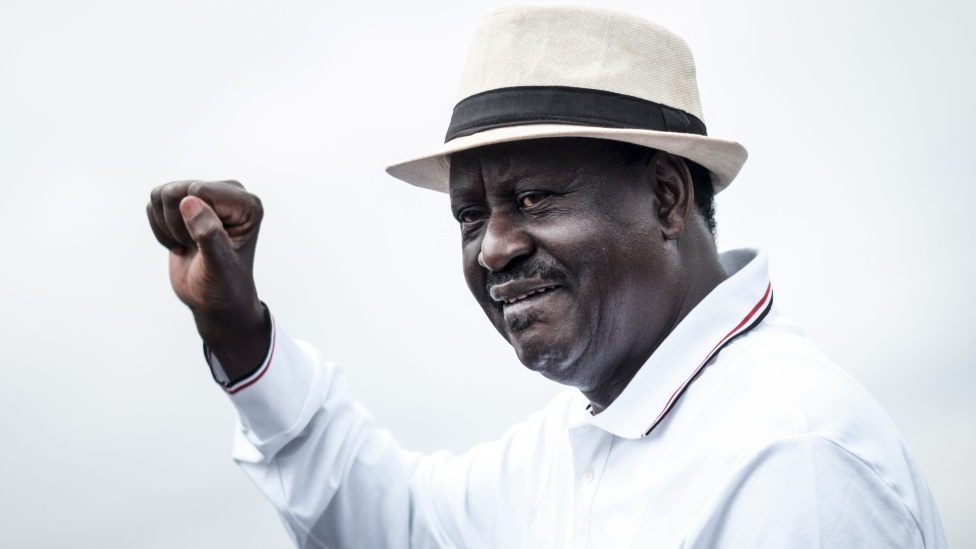
From Opposition to Statesman
Though he vied for the presidency five times (1997, 2007, 2013, 2017, and 2022), Raila remained a towering figure whose influence transcended electoral victories.
ALSO READ: Raila Odinga's Passing: Remembering the Late Polticial Titan
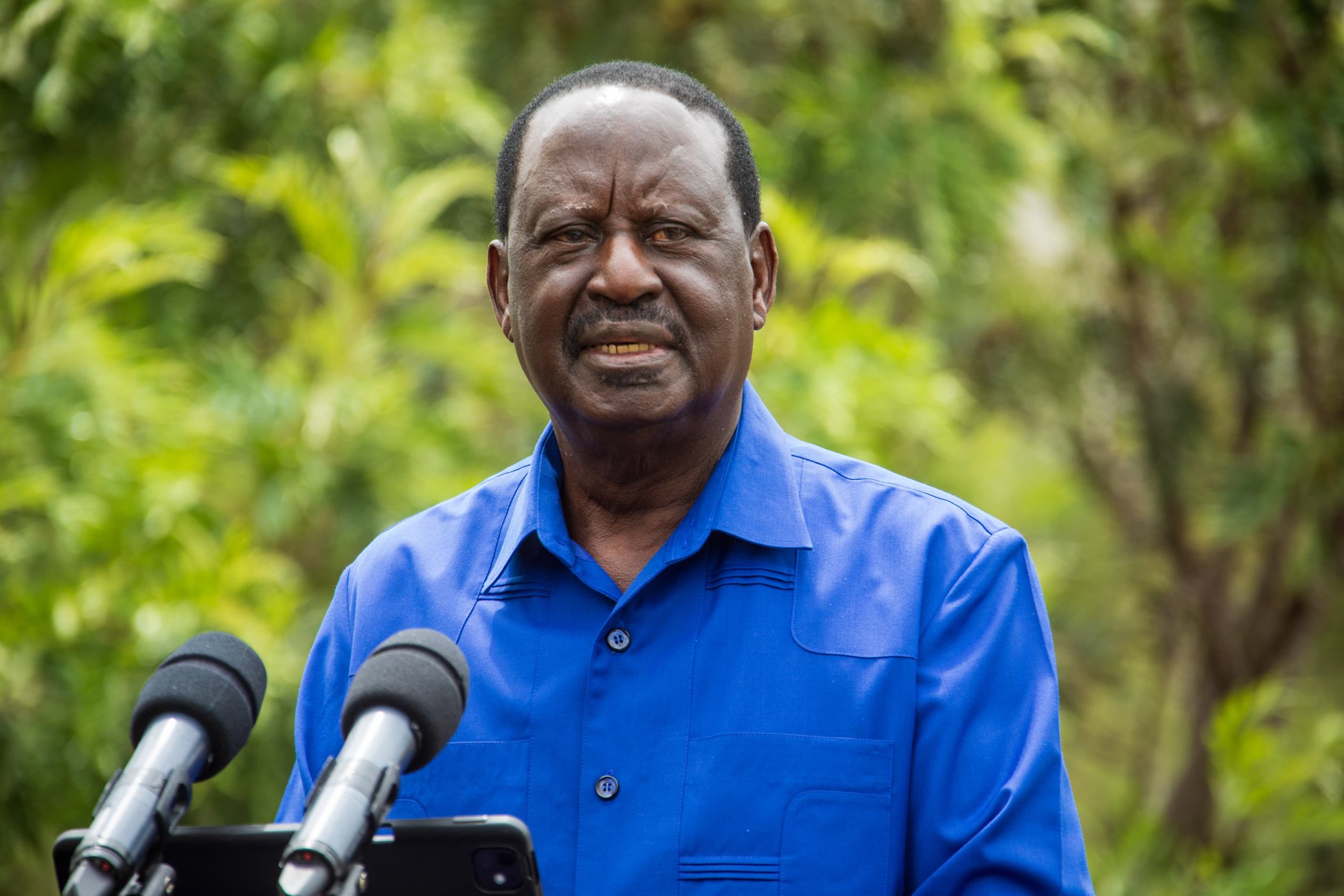
His Handshake with President Uhuru Kenyatta in 2018 reshaped Kenya’s political landscape, focusing on unity and governance reform through the Building Bridges Initiative (BBI).
He also extended his vision continentally as the African Union High Representative for Infrastructure Development.
Final Years and Passing
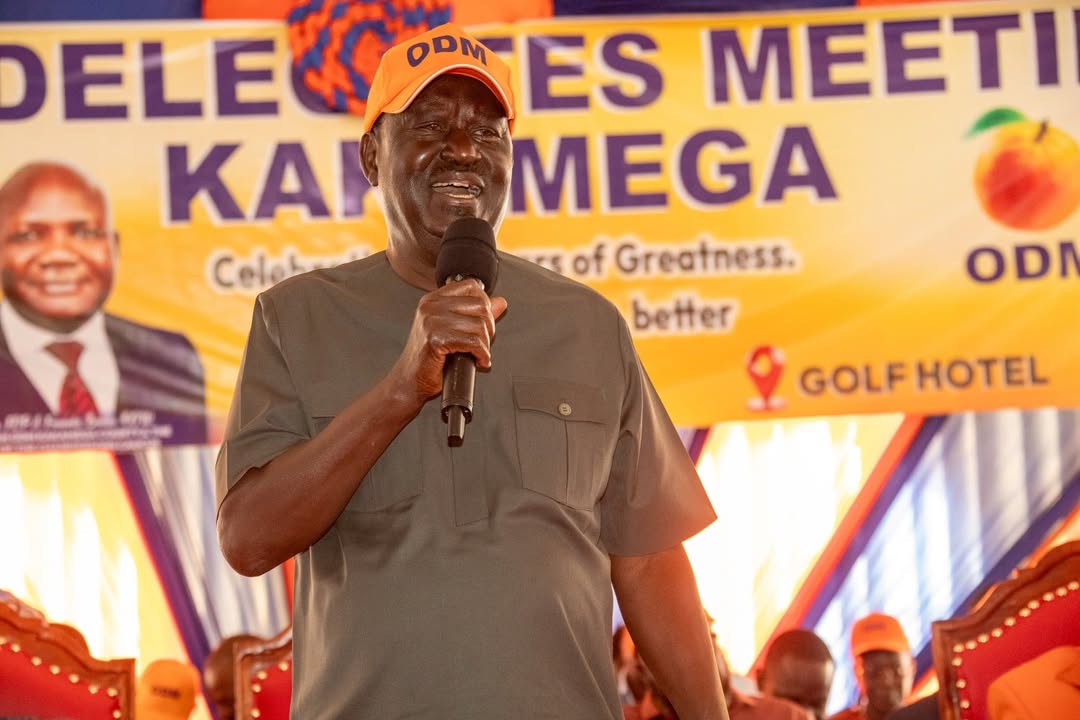
In his final years, Raila continued to be a voice for unity, governance reform, and Pan-African progress.
Even as political tides shifted, he remained steadfast in his belief that Kenya’s destiny lay in justice, equality, and inclusivity. His passing marks the end of an era — the curtain call of a man whose presence defined generations of political thought and action.
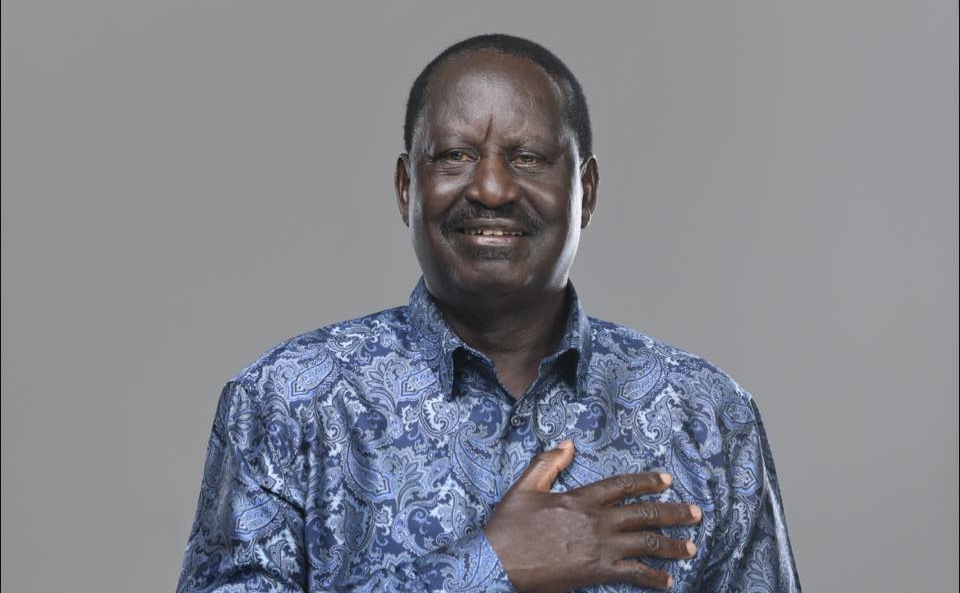
Raila Odinga’s passing marks the end of an era. His legacy will endure as that of a freedom fighter, reformist, and visionary whose sacrifices opened doors for Kenya’s democratic space.
He redefined opposition politics, championed constitutional change, and inspired millions to believe that power belongs to the people, leaving an indelible mark on the conscience of the country he so deeply loved.