Read Also
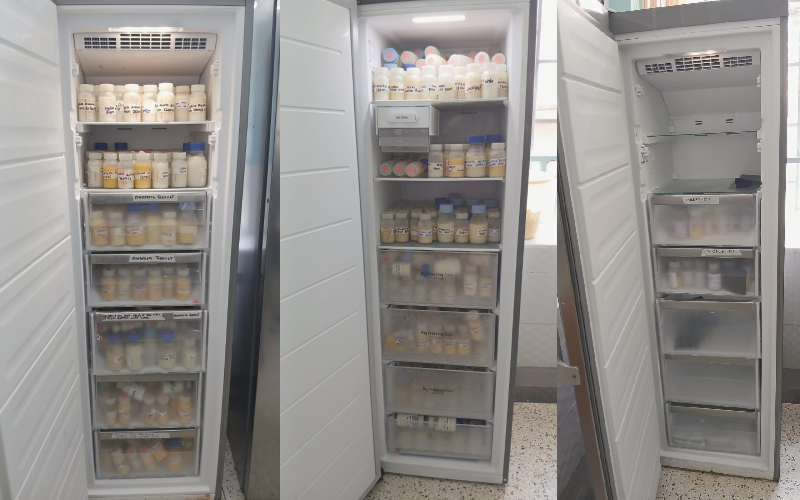
Kenya’s only human milk bank at Pumwani Maternity and Referral Hospital has provided life-saving nutrition to 1,887 vulnerable newborns as of August 31, 2025.
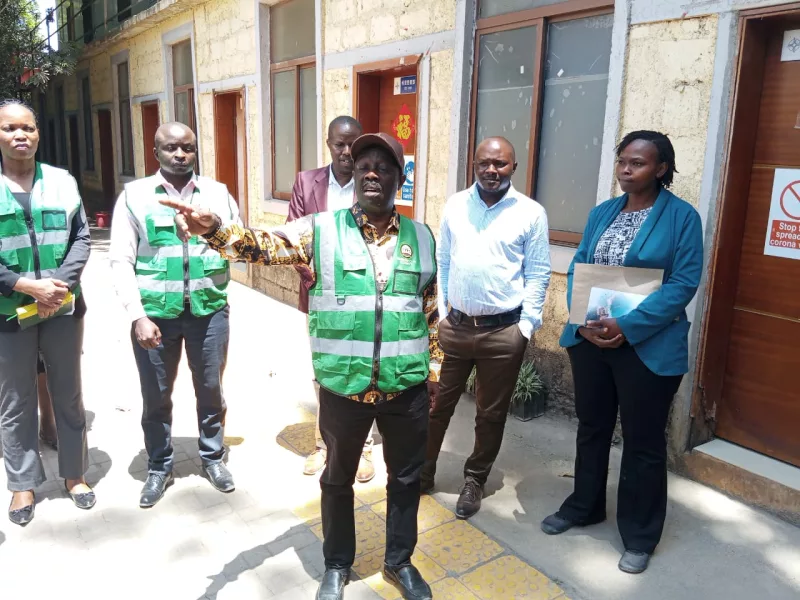
Hospital’s CEO Christine Kiteshuo said the facility has not only supported infants at Pumwani but has also extended its reach to Mbagathi County Referral Hospital and Mama Lucy Kibaki Hospital, ensuring premature and sick babies across Nairobi access the vital nourishment.
“The human milk bank has become a lifeline for vulnerable babies who cannot be breastfed by their mothers. Every drop donated gives these little ones a fighting chance at life,” Kiteshuo said.
Since 2019, some 2,598 women have donated breast milk, making the bank a cornerstone of neonatal survival in the city.
“This is one of the best decisions ever made. Many infant lives have been saved because of the milk bank. Being East Africa’s largest maternity hospital, delivering nearly 15,000 babies annually, Pumwani continues to lead in maternal and neonatal care,” she added.
The initiative, anchored on Governor Johnson Sakaja’s healthcare reforms, is expected to expand with plans already underway to set up another human milk bank at Mbagathi Hospital.
Pumwani’s success reflects a major transformation in the city’s health sector.
Sakaja’s decision to place hospitals under professional CEOs has ushered in sweeping reforms, starting with the county’s Level 5 facilities.
Mbagathi County Referral Hospital, once associated with neglect and frequent complaints of inadequate care, has turned a new page following reforms introduced by City Hall.
The new management model placed the facility under the leadership of professional CEOs drawn from the health sector, a move that has ignited progress and success.
Beyond medical attention and clinical care, Mbagathi now hosts the only quality-accredited laboratory in Nairobi and is setting up a blood screening unit to mitigate chronic shortages in the city’s health facilities.
According to CEO Dr Alexander Irungu, the hospital is fast emerging as a hub for medical research, attracting both local and international scholars seeking to benchmark on quality healthcare.
“With the only quality-accredited laboratory in Nairobi county and a new blood screening unit underway, we are not only serving our people but also attracting scholars from across the globe to benchmark on quality healthcare. Mbagathi Hospital is on a pathway to growth, with ongoing projects such as a Critical Care Unit,” Irungu said.
The hospital has also recorded major clinical breakthroughs. Just last month, doctors gave 27-year-old Freddy Christopher a new lease of life after successfully carrying out a delicate brain surgery to manage a high-grade tumour. Led by neurosurgeon Dr Tom Mboya, the team performed the hospital’s first-ever ventriculo-peritoneal shunt procedure, marking a milestone in specialised care at the county hospital.
In May 2024, another medical milestone was achieved when a team led by Dr Chaudry Areeb, a plastic and reconstruction specialist, performed the hospital’s first major reconstructive plastic surgery.
The three-hour procedure restored function to the hand of a patient who had suffered multiple tendon, nerve and vascular injuries, guided by a newly installed CT Scan.
Irungu attributed these successes to the acquisition of modern equipment.
“We have equipped the hospital with modern equipment that enables our doctors to attend to patients thoroughly. This has boosted confidence among patients, many of whom are now flocking to our hospitals,” he said.
Mothers have also benefited. The Neonatal Intensive Care Unit at Mbagathi, launched in 2024 by Governor Sakaja, has provided lifesaving care to 493 newborns admitted internally, alongside 126 referrals from other hospitals.
“This is a strong number that reflects improved service delivery. The NICU has transformed Mbagathi into a true county referral hospital, easing the burden on mothers who previously had to seek services far away,” Irungu said.
The NICU’s success has restored public confidence in Nairobi’s healthcare system. Only a few years ago, families had to travel long distances to access such services, and countless deaths were reported. Since the launch of the unit, however, the story has changed.
Sakaja’s CEO-led hospital model, first rolled out in Level 5 hospitals and now expanding to Level 4, has improved accountability, restored public trust and delivered landmark achievements for the city’s healthcare sector.