A fierce and deeply divided debate has erupted online after Africannah Rapudo, the two-year-old daughter of socialite Amber Ray and businessman Kennedy Rapudo, was reportedly nominated for the Pulse Awards' Fashion Influencer of the Year category.
While supporters believe the nomination is a well-deserved recognition of her rising influence, others are calling it “wild business” and arguing that a separate category for young influencers is needed.
The controversy, amplified by influencer Njambi Fever on her Instagram stories, has snowballed into a national discussion about age, influence, and whether traditional award structures are still relevant in today’s digital world.
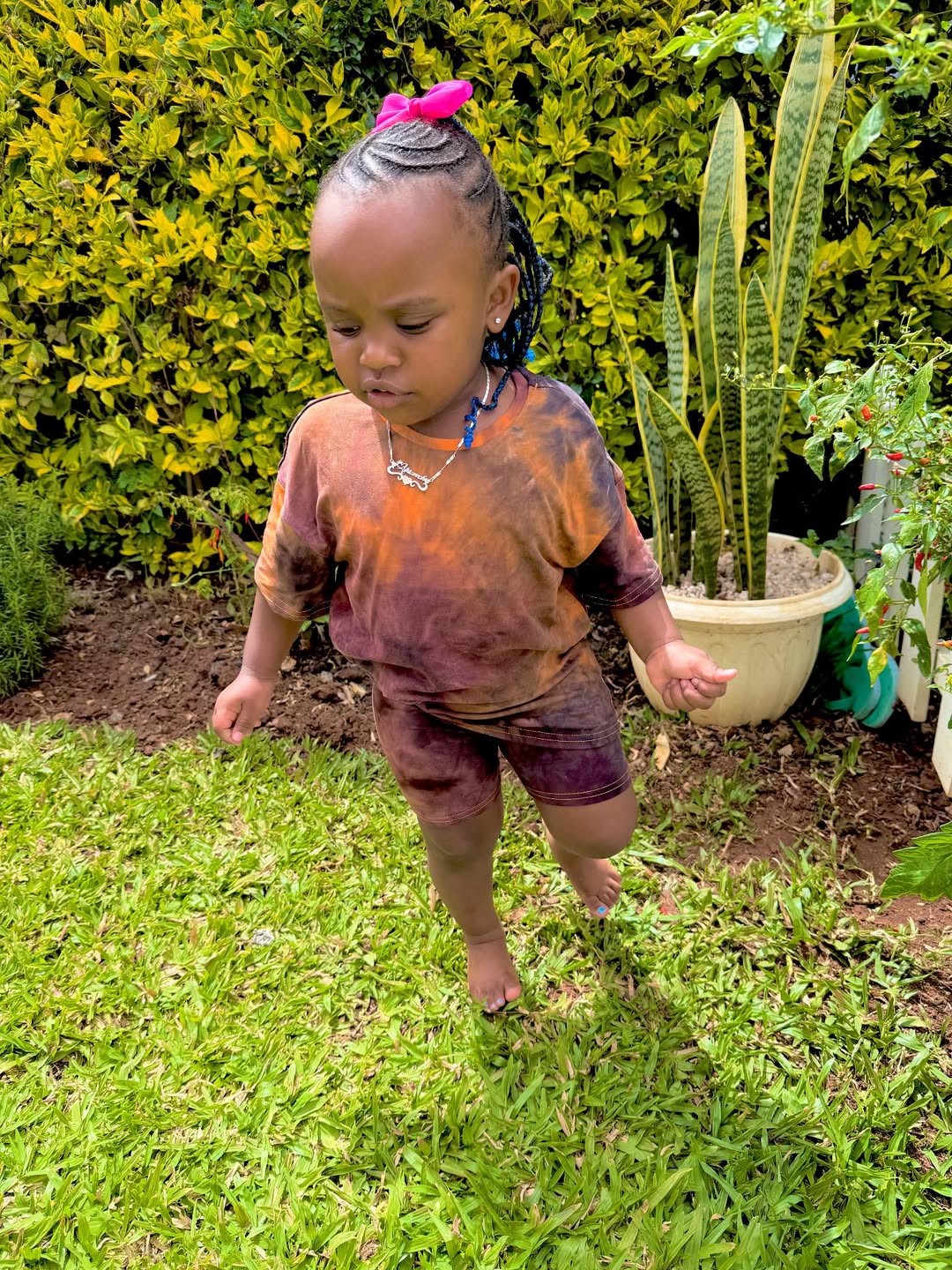
Supporters: “Fashion Has No Age Limit”
Africannah’s fans insist that her nomination is not a gimmick but a rightful acknowledgment of her growing impact on Kenya’s fashion scene.
Despite being just two years old, she already commands a significant following online, thanks to her stylish outfits often showcased by her parents.
“Fashion has no age limit,” one supporter wrote. Another added: “Africannah deserves to be on it as well… it’s a big enough mark to compete with the big people.”
READ ALSO: Amber Ray & Kennedy Rapudo's Daughter, Africanah, Secures Major Brand Deal at Just Two Years Old!
Some dismissed the backlash as unnecessary drama. “Huyu apeleke makasiriko na huko — fashion doesn’t care if you’re an adult ama mtoto,” one user commented, while another said: “It’s for entertainment, muache kuweka vitu kwa roho."
Fans also drew comparisons to international platforms. “The teenager who won Grammys was categorized with adults. This is no different,” one person noted, pointing out that talent and influence are often judged without age segregation worldwide.
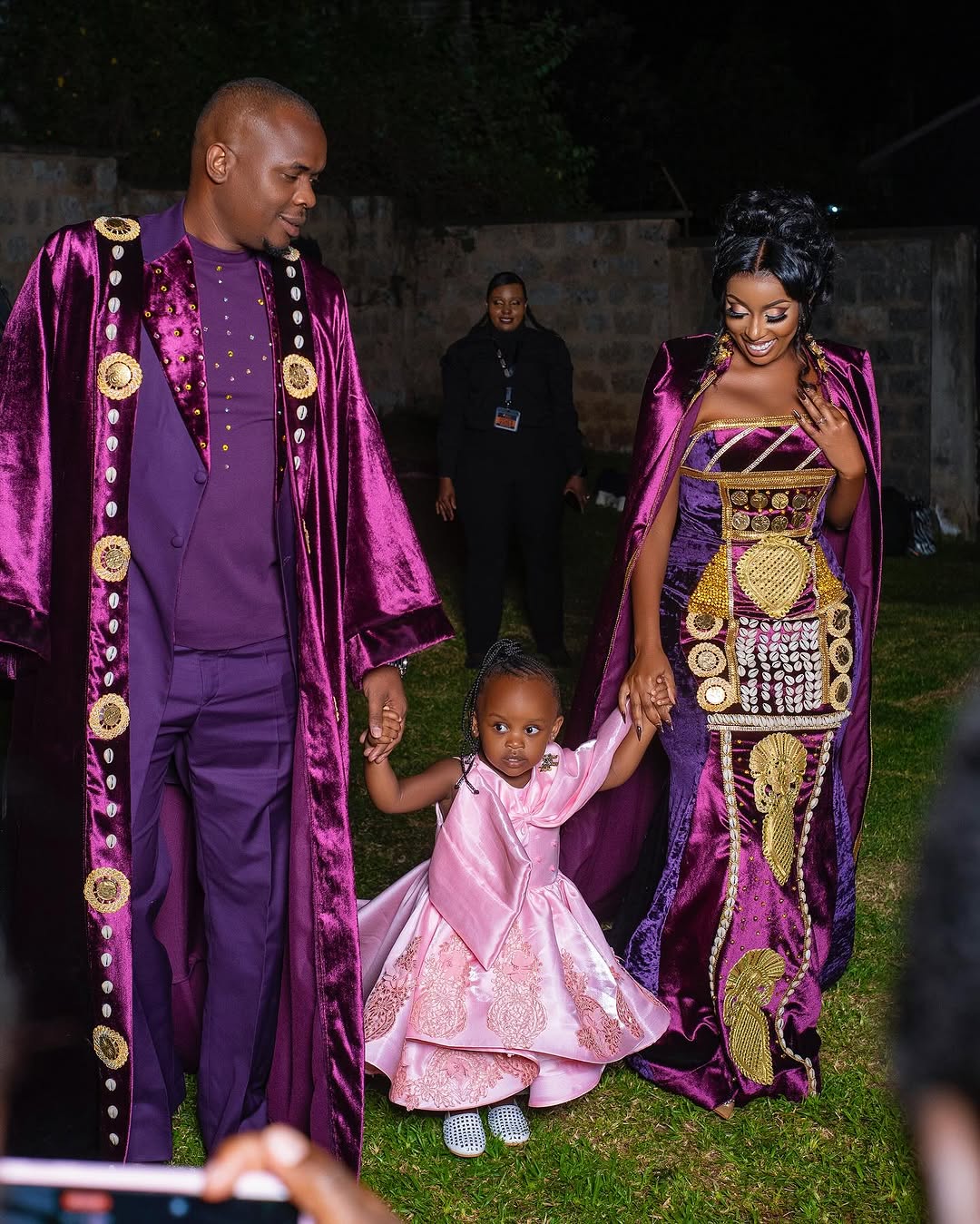
Critics: “It’s Wild Business”
Critics, however, feel Pulse missed the mark by not creating an age-specific category for young influencers. While many agree Africannah is a trailblazer, they question the fairness and ethics of placing a toddler directly against adult influencers.
“Kuweka mtoto amongst grown ups ni wild business,” one critic wrote. Another added: “They should have easily come up with a kids fashion influencer section.”
To them, the issue isn’t whether Africannah deserves recognition, but whether the awards system has failed to adapt. “This is just… wild… placing her against adults,” said another critic. Some even argued sarcastically: “They should have just nominated their kid stars and put them on a list… for now they should shut up.”

Bigger Picture: Rethinking Awards in the Digital Age
Africannah’s nomination has highlighted the blurred lines of influence in the age of social media. Traditionally, awards segmented talent by experience or age, but in today’s digital culture, even toddlers can build platforms rivaling adults.
Whether Pulse made this decision to stir conversation or simply overlooked the age issue, the nomination has undeniably sparked a much-needed debate about inclusivity, responsibility, and how we define success in the influencer space.
For Africannah, being nominated at just two years old is proof of her growing power in the fashion world. But for the awards industry, it raises a bigger question: should categories evolve to reflect the changing face of influence?