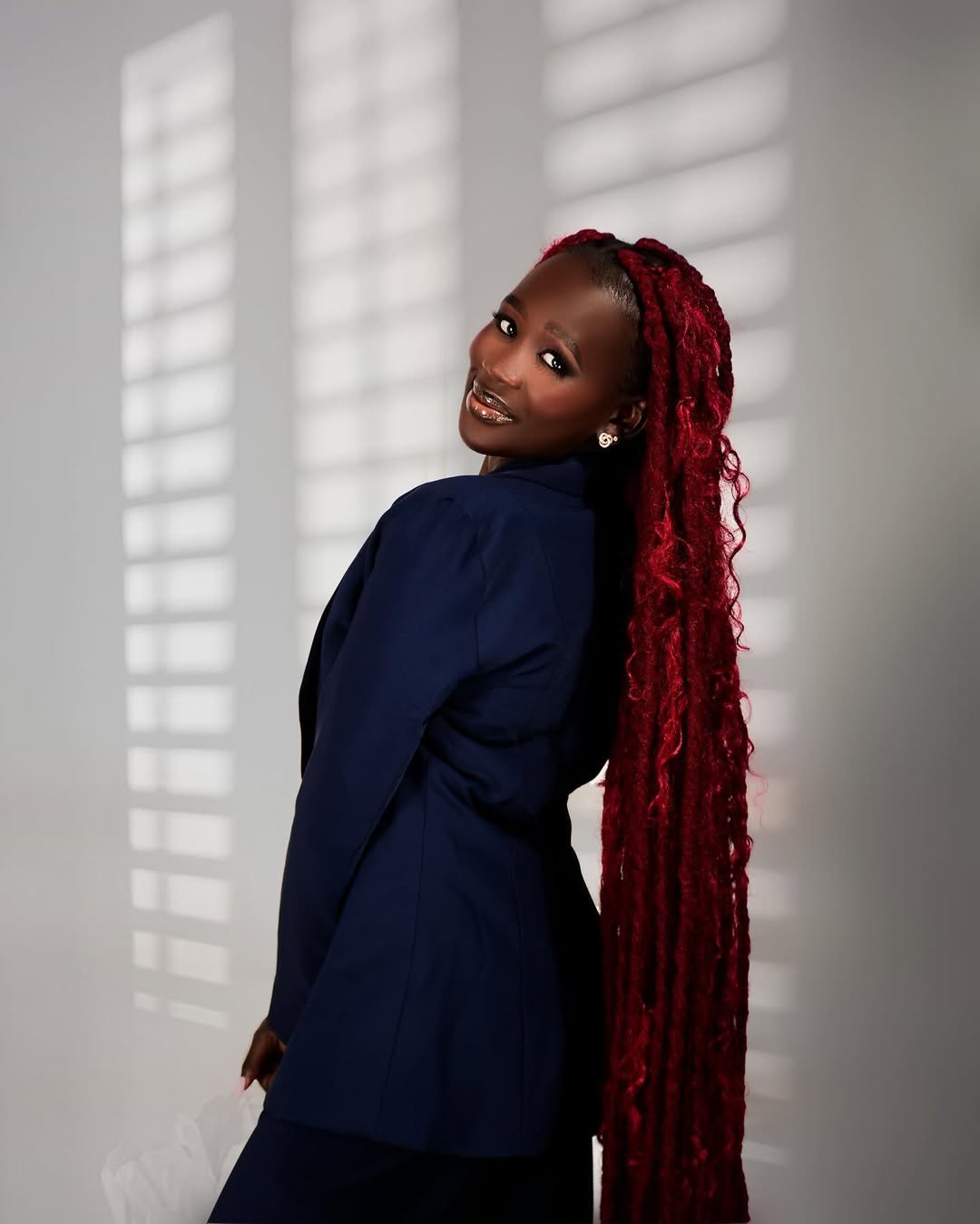
Digital creator Malu has sparked conversation after speaking candidly about her struggles with colorism, the pressure to bleach, and her journey to finding confidence in her own skin.
In a heartfelt statement, Malu didn’t mince her words about where much of the discrimination came from. “Men are the most colorist people out here,” she said at The Unfiltered By Della Vee Podcast.
“There’s a mentality that for you to be beautiful you have to be light skin.” Her reflections add to a growing dialogue on how colorism—favoring lighter skin tones over darker ones—shapes experiences in dating, entertainment, and social media. For Malu, the issue was deeply personal.
On Bleaching, Bullying, and Finding Confidence
“I am not against bleaching,” she explained. “If it favours you, or makes you happy then do it.
I am not saying that I have never been in a position to bleach, because I used to be discriminated on social media, I used to be suicidal at the end of the day. But I have found confidence in myself and I prefer to not bleach.”
READ MORE: Jahleel Mollel and Malu: Reflecting on Their TikTok Journey and Recent Split
Her words shed light on a painful reality: the constant criticism she faced online once pushed her into despair.
Like many young women navigating the harshness of digital spaces, the ridicule was not just about looks—it eroded her mental health.
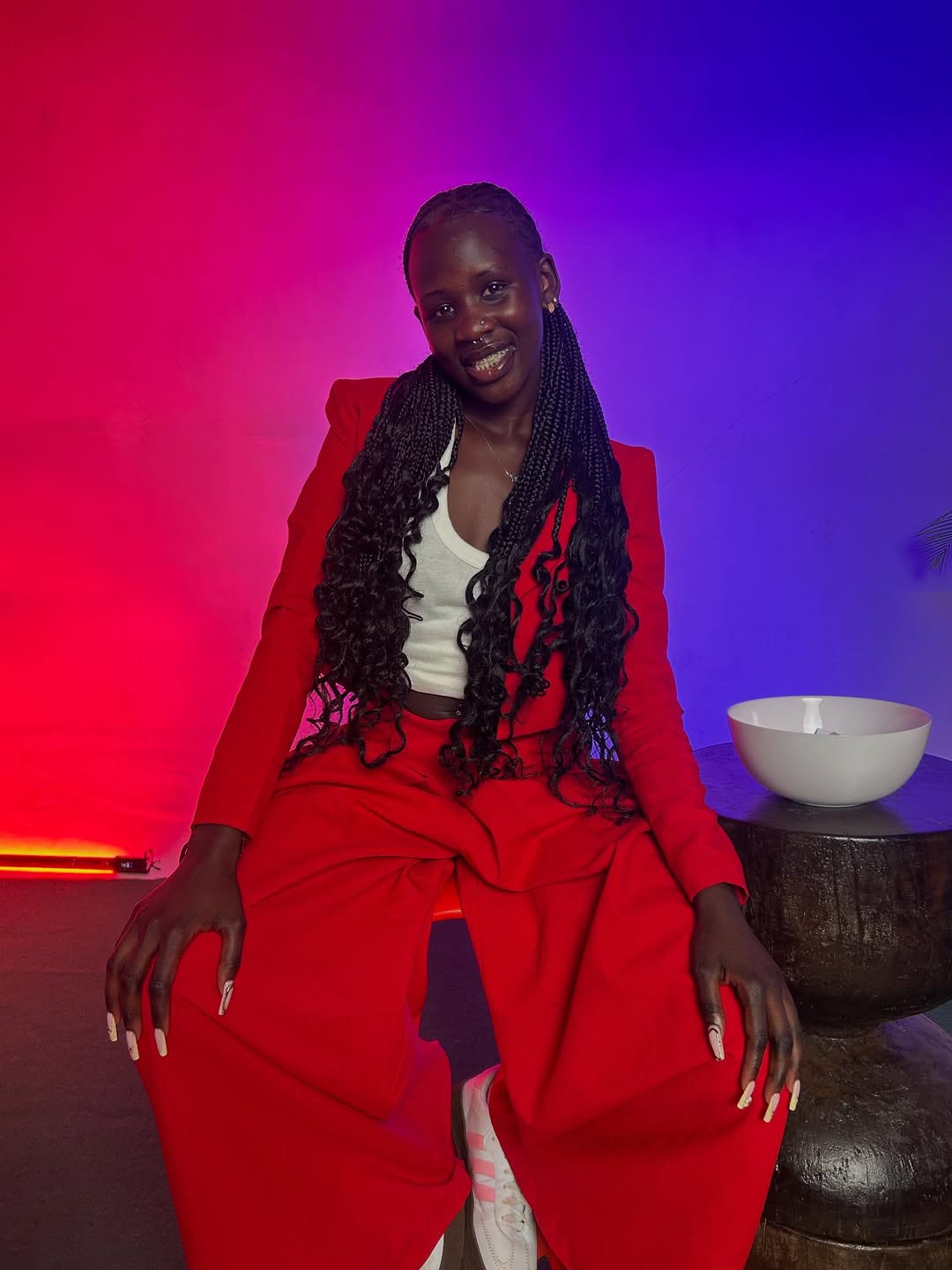
By admitting she once considered bleaching, Malu highlights the heavy pressures young women face when society ties beauty to skin tone.
At the same time, she refused to shame others for their choices, noting that self-acceptance can take different paths for different people.
The Gendered Nature of Colorism
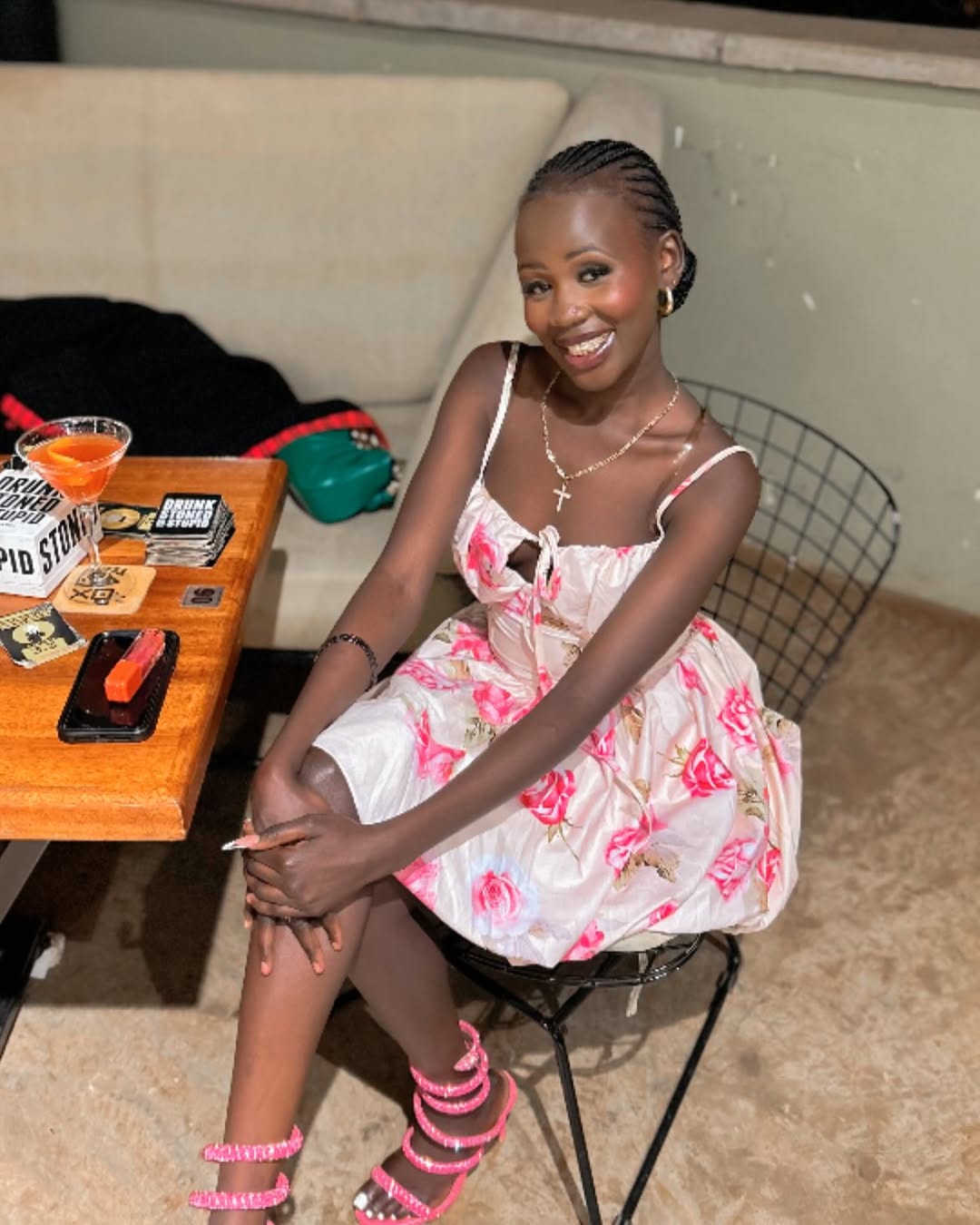
What stood out most in her reflections was the gendered nature of her experience.
By pointing to men as the main perpetrators of colorist attitudes, Malu opened a conversation about how beauty standards are reinforced in relationships and through the validation people seek online.
Her openness drew strong reactions from followers. Many praised her courage, applauding her decision to embrace her natural skin tone while speaking openly about mental health struggles.
Others reignited debates on how media representation, family attitudes, and cultural perceptions keep fueling colorism.