The Kenya Wildlife Service (KWS) has unveiled a new proposal that could grant free access to national parks and game reserves for three categories of Kenyans: senior citizens aged 70 and above, children under five years old, and persons with disabilities.
The initiative aims to make Kenya’s rich biodiversity more inclusive and ensure that groups often left out of leisure and tourism activities get the chance to connect with nature.
Promoting Inclusivity and Wellness
KWS officials say the plan is not only about tourism but also about well-being and social inclusion. By waiving park entry fees, the service hopes to encourage family outings, support mental health, and nurture a stronger culture of conservation awareness among Kenyans.
READ MORE: Senior KWS officer in Kwale County dies after his car falls off a bridge
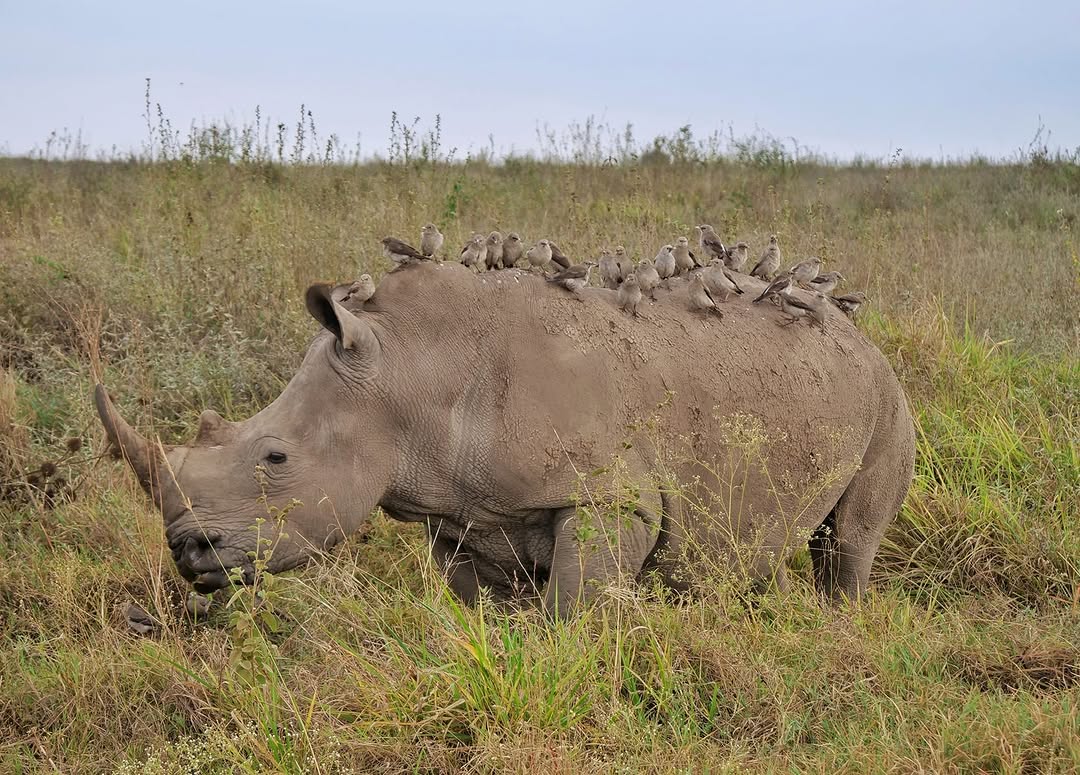
“Nature should be accessible to everyone, not just those who can afford it,” said a KWS spokesperson.
Reactions from the Public
The proposal has sparked mixed reactions. Many Kenyans have praised the idea, especially parents and caregivers who often struggle with the cost of recreational activities. Conservation groups also welcomed the move, noting that exposure to wildlife encourages appreciation and long-term protection of natural resources.
However, some critics raised concerns about possible revenue losses. They argued that without adequate government subsidies, free entry could stretch already limited park resources.
Balancing Access and Sustainability
In response, KWS emphasised that the policy is still under discussion and will include sustainability measures. Officials suggested that free entry for vulnerable groups could be balanced with targeted promotions and flexible pricing for other visitors, ensuring parks remain financially viable.
A National Treasure for All
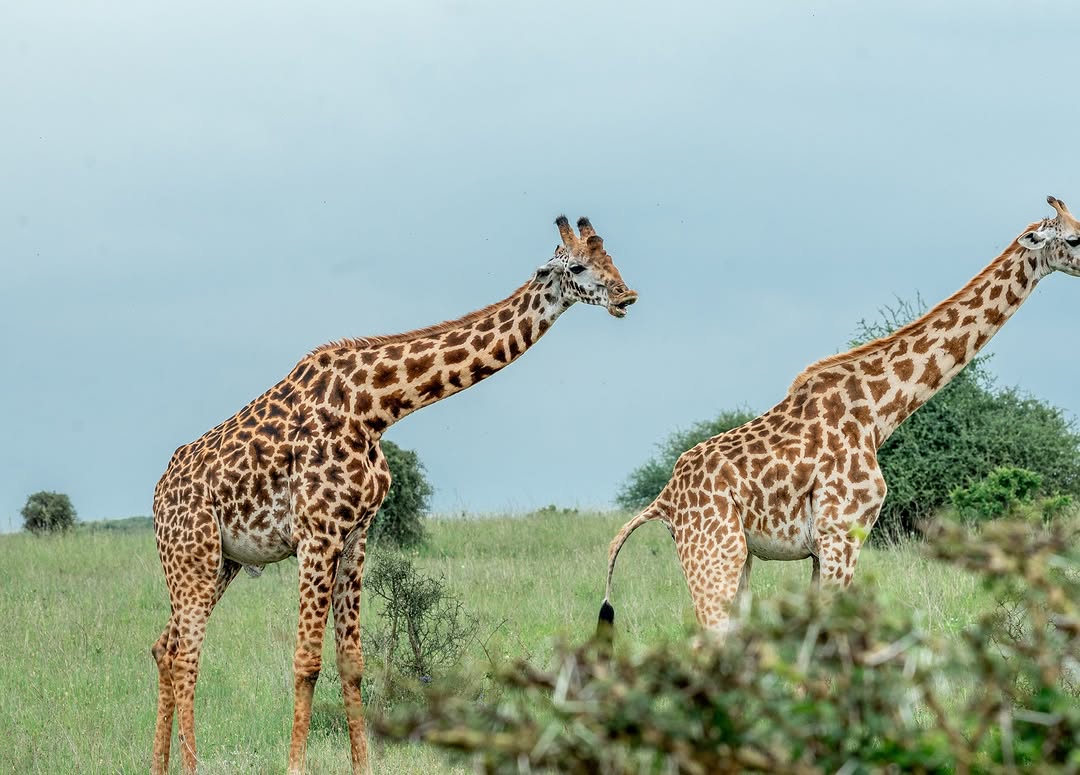
Kenya is home to more than 20 national parks and reserves, including the Maasai Mara, Amboseli, and Tsavo, which attract millions of visitors every year.
Tourism remains a key pillar of the country’s economy, but KWS insists that accessibility should not be compromised.
If approved, the policy will mark a major milestone in opening up Kenya’s natural heritage to all citizens, reinforcing the belief that wildlife belongs to every Kenyan.