
Veteran KBC broadcaster, Charles Omuga Kabisae, best known for his unique delivery of death announcements and other special bulletins, famously referred to as Matangazo Maalum Na Ya Vifo, is dead.
Kabisae died on August 11 after a long illness. Born in Nyamasaria, Kisumu county, Kabisae began his career at KBC’s Dholuo Service in Kisumu.
A Childhood Dream Realised
Charles Omuga Kabisae always harboured a deep desire to become a broadcaster from a young age.
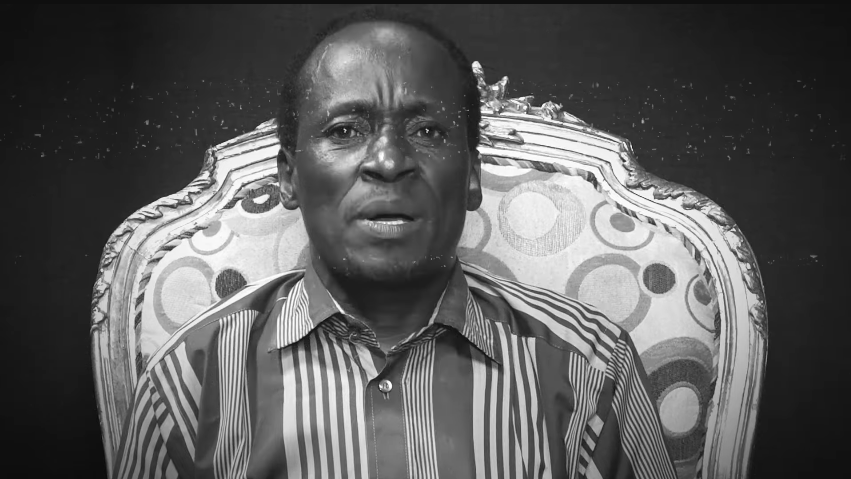
During his 2019 interview with KBC Channel 1, he vividly recalled admiring the iconic voices of his era, listing revered figures such as Leonard Mambo Mbotela, Job Isaac Mwamto, Hassan Mazoa, Steve Desanjo, George Opiyo, and Kazungu Katana Jose. These individuals inspired his journey into the media world.
READ ALSO: The Voice That Shaped a Nation: Remembering Leonard Mambo Mbotela
"I studied this profession because as a child, I really wanted to be an announcer because I looked up to the announcers of that era."
The Early Years in Broadcasting
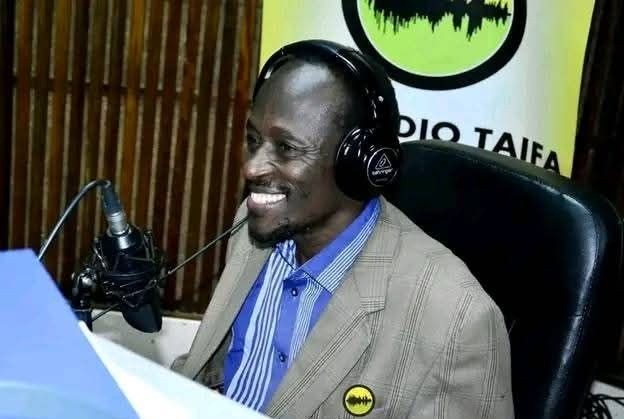
His professional broadcasting journey began in the early 1980s. The opportunity arose when UNESCO established a centre in Homa Bay.
At the time, while working for KBC, then known as Sauti ya Kenya, an opening emerged after a colleague from Kisumu was transferred.
Kabisae applied for the position and, after a successful interview, emerged as the chosen candidate.He commenced his career in Kisumu, where he broadcast in his mother tongue – Dholuo.
An Unforgettable On-Air Incident
One memorable incident from his early days involved a "shadowing" experience, where he was a trainee learning from a more experienced broadcaster.
He was given the chance to read a death announcement, known as a 'Tanzia'.
"When I read the announcement that someone had died... the relatives of the deceased came back and told us to announce again that the person we had announced had died had risen."
This extraordinary situation unfolded when, after announcing a death and a subsequent 13-minute programme, the family of the deceased returned with astonishing news: the person who had been declared dead had, in fact, "resurfaced" or "resurrected".
As a newcomer, Omuga Kabisae found this to be an unprecedented event. He recalled having to re-announce multiple times that the person previously reported as deceased had "resurfaced" and that their family should not worry.
He remembered this particular broadcast vividly throughout his career.
Broadcasting Then and Now
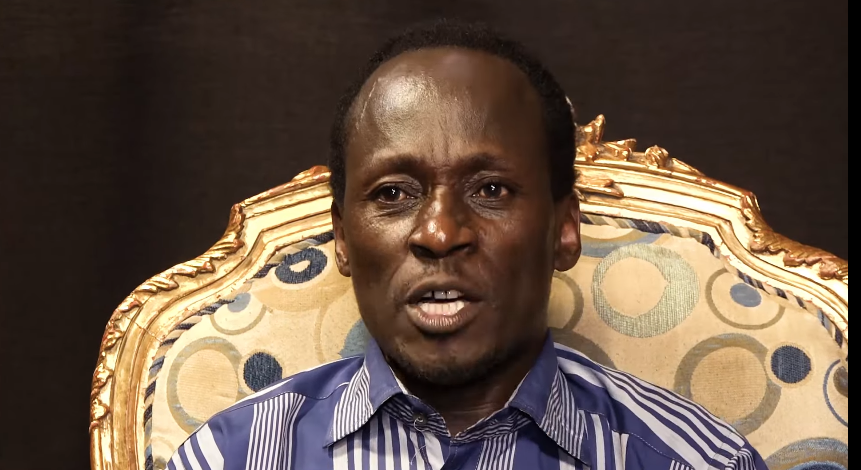
During the interview, Kabisae reflected on the significant changes in broadcasting from his early days to the present.
He noted that in the past, the work was largely manual, requiring broadcasters to carry equipment like "santuri" (turntables or recorders) and "reel-to-reel" tapes into the studio to play programmes.
ALSO READ: Media Personality Edward Kwach Dies after Battle with Meningitis
In stark contrast, modern studios are now fully computerised and digitalised. He also observed a difference in the motivation of broadcasters.
He believed that early broadcasters had a genuine "calling," an intrinsic drive that compelled them to pursue the profession, often even practising speaking alone at home.
Omuga Kabisae leaves behind a legacy defined by a lifelong passion for broadcasting and an unwavering dedication to his craft. His legacy as a distinctive voice will undoubtedly be remembered by many.
Watch him here;