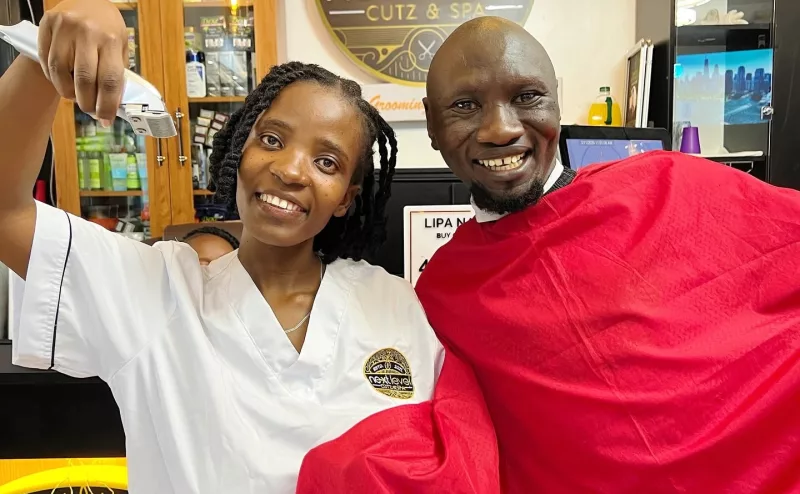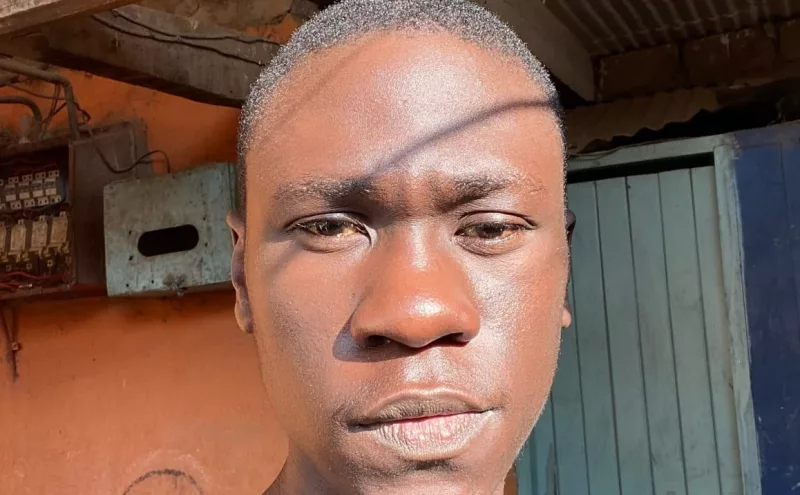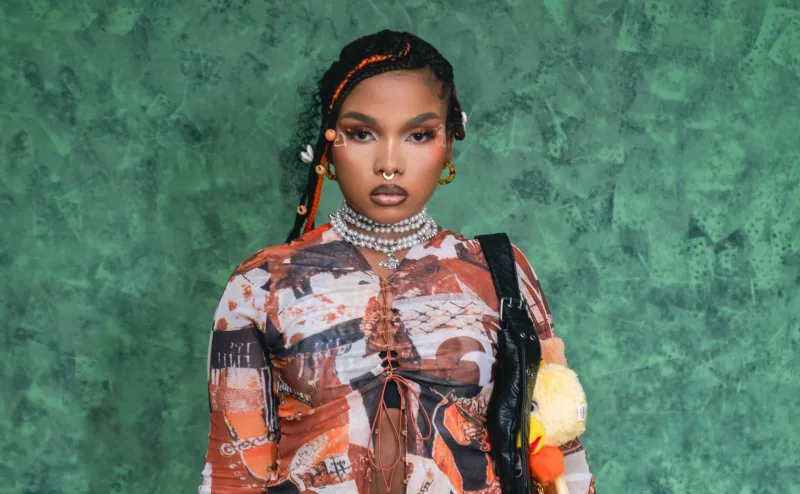
Toronto Boys, a group of two young Kenyan men, Kevo Msafi and Olunga, have captured public attention with their catchy phrase, "Aroo kumi na nne supu, kumi na nne bora".
This distinctive slogan has recently taken social media by storm, with everyone saying aroo 14 supu.
The duo, guests on Obinna Show Live, discussed their unexpected rise to viral fame.

The Meaning Behind the Catchphrase
The phrase "Aroo kumi na nne supu, kumi na nne bora" combines a greeting with a unique blend of Sheng slang. "Aroo" serves as their signature greeting or slogan.
While literally translating to "fourteen good," in their context, these phrases signify something exceptional or top-notch, embodying their distinct brand and style.
READ ALSO: Kenyan Celebrities and their Trendy & Catchy Phrases
They revealed that they anticipated the slogan would go viral, and indeed, it caught on.
"Aroo serves as slogan tu yetu tu", Toronto Boys said.
When asked about their phrase "14 supu 14 bora" while showcasing their clothing, Olunga revealed it means, "iko fit iko poa sana it's very nice it's nice though".
“We knew that this one will go viaral, and and it indeed ikashika,” they added.

Meet the Young Entrepreneurs
Toronto Boys, runs a second-hand clothing business, known as 'mtumba'. The pair are also content creators and occasionally DJ at events, even opening for City Life Ice Cream in Mathare. They also promote their own "14 supu" branded labels.
A Rich Sheng Vocabulary
Beyond their main slogan, Toronto Boys have introduced other colourful Sheng phrases to the public:
• "Babangu": An emphatic term, akin to "my father," used to add weight to a statement.
• "Mavitu yawa": Refers to impressive "things" or "stuff" that are on-point.
• "Wasororeshe": Encourages showing off or making something look impressive.
• "Chupi mkebe": A humorous term for torn underwear that one would prefer to keep hidden.
• "Mafurumbanya": Used to describe an attractive person, often seen as "blessed by God" or one who naturally draws attention.
• "Shingo nono": Refers to individuals adorned with prominent silver necklaces or jewellery, literally meaning "big neck”.
• "Duksha" and "Chalema": Both are market slang terms, particularly from Gikomba, meaning "I refuse".

From the Ghetto to Online Recognition
The young men hail from Eastlands, specifically from areas like Eastleigh and Pumwani, and mention their roots in 'Mabatini'.
They proudly state they were born and raised in the area, calling it their ghetto where their hustle began.
Their viral success has led to increased recognition, with people now greeting them with "Aroo" and referring to them as "waheshimiwa" (honourable people).
Their video reportedly trended for about a week. They are now using their platform to market their goods and encourage other young people to engage in productive ventures.