Following a series of tragic road accidents on Kenyan highways, road safety experts are issuing a critical reminder: some car parts are non-negotiable when it comes to replacement.
Neglecting them puts your life, and the lives of others, at serious risk.
The National Transport and Safety Authority (NTSA) stresses that vehicle maintenance is not a luxury. As they say, "A safe car is as important as a careful driver."
Your brakes are your car’s most important safety feature.
Worn-out brake pads or low brake fluid levels can dramatically increase your stopping distance, which can be the difference between a near-miss and a fatal crash.
Experts recommend that you service your brakes regularly and replace the brake fluid every 30,000 km or as your car's manufacturer advises.
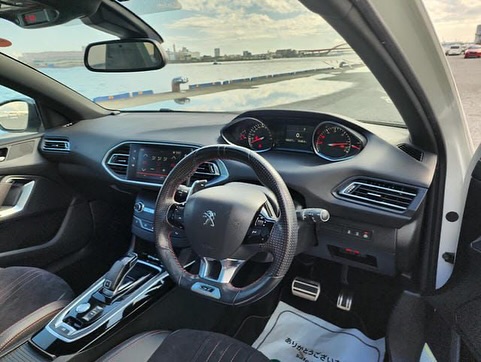
car's Interior//Instagram
Advertisement
Advertisement
2. Airbags
Airbags are designed to deploy in milliseconds during a collision, providing a crucial cushion for passengers. If an airbag has already been deployed or is known to be faulty, it must be replaced immediately.
Driving without functioning airbags is like driving without a seatbelt—it's a dangerous gamble.
3. Shock Absorbers
These components are essential for maintaining your car's road grip, especially on wet or rough surfaces. Worn-out shock absorbers can cause your car to skid, handle poorly, and take longer to stop.
Your car bouncing excessively after hitting a bump.
Uneven wear on your tires.
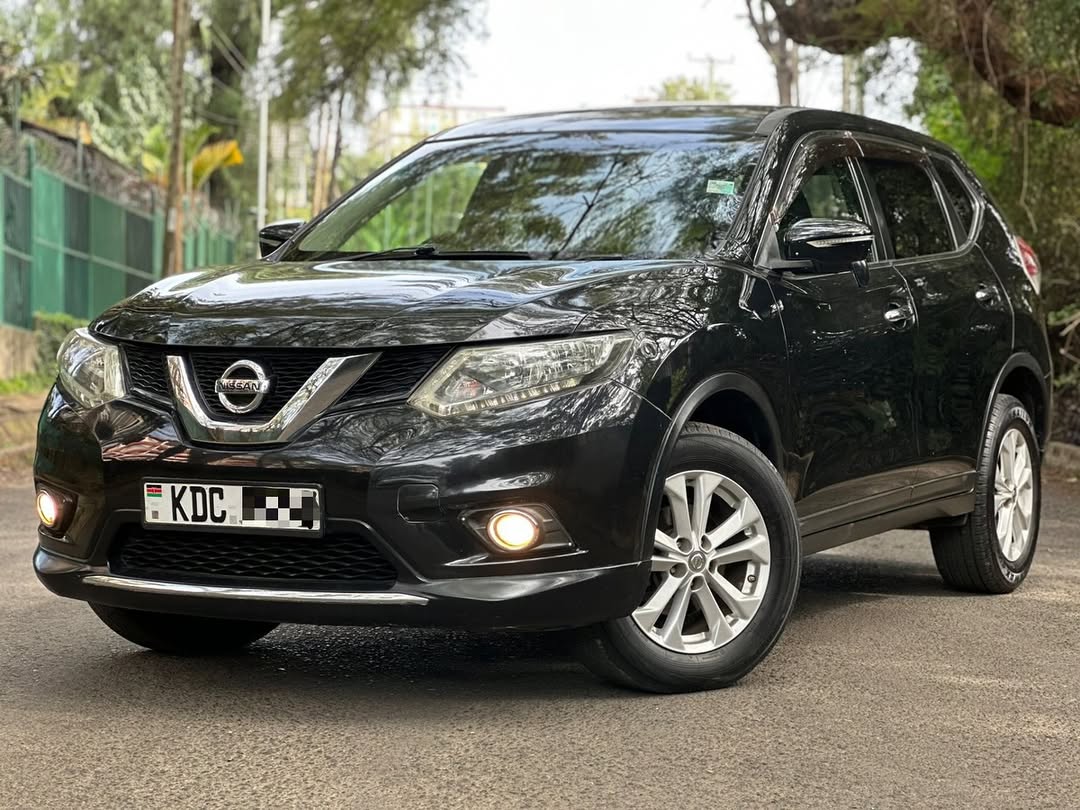
car's exterior//Instagram
4. Louvers to Clear Foggy Screens
Good visibility is everything, especially in misty or rainy weather. The louvers, or defroster vents, are what keep your windshield clear. A faulty defrosting system should be repaired immediately, particularly if you drive in colder or high-altitude areas.
5. Fog Lights and Treaded Tyres
Fog lights help you see through poor visibility conditions, while properly treaded tyres are essential for maintaining traction on slippery roads.
Bald tyres not only reduce your control but can also lead to aquaplaning in heavy rain.
The minimum legal tyre tread depth in Kenya is 1.6mm, but for maximum safety, experts recommend replacing them well before they reach that limit.