Planning a trip to the United States? There's a new fee you need to know about that could significantly impact your travel budget. The U.S. government has just introduced a new charge aimed at ensuring visa compliance.
This isn't just another small administrative cost; it's a notable addition to the existing application charges, and it's particularly relevant for Kenyan citizens.
What's This New Fee All About?
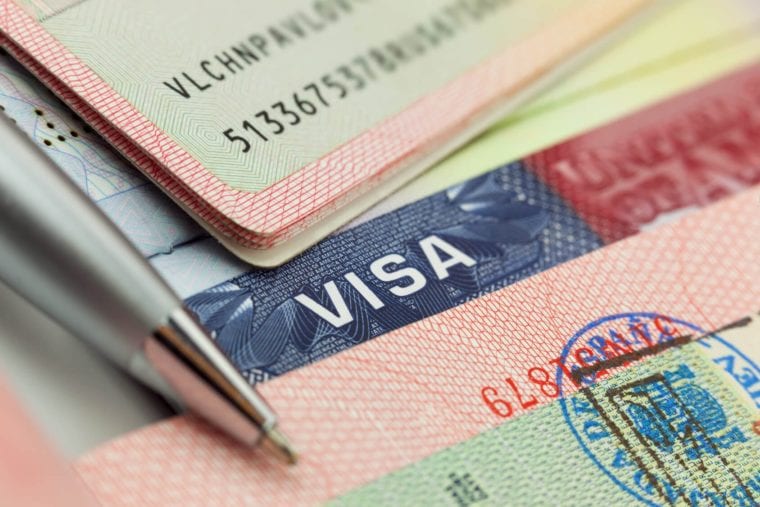
The U.S. government calls it a Visa Integrity Fee, and it amounts to $250 (Sh32,231). This fee applies to all non-immigrant visa applicants, which includes those travelling for tourism, study, or work. Its stated purpose is to encourage compliance with U.S. visa rules.
Who Will It Affect?
This new charge applies to citizens from countries not part of the U.S. Visa Waiver Program – and Kenya is on that list.
It specifically targets applicants for common visa categories such as:
B-1/B-2 Visas: For tourists and business travellers.
F-1 Visas: For students.
J-1 Visas: For exchange visitors.
READ MORE: Ex-Senator Gloria Orwoba Exposes Kenyan MPs' Staggering Ksh.160,000 Daily Travel Allowances
H-1B Visas: For skilled workers.
Even if you're already in the U.S. under one of these categories, you might face compliance reviews to determine if you're eligible for a refund.
When Does It Start?
Mark your calendars: the new fee is expected to come into effect on October 1, 2025.This date aligns with the start of the U.S. fiscal year.
Where Will It Apply?
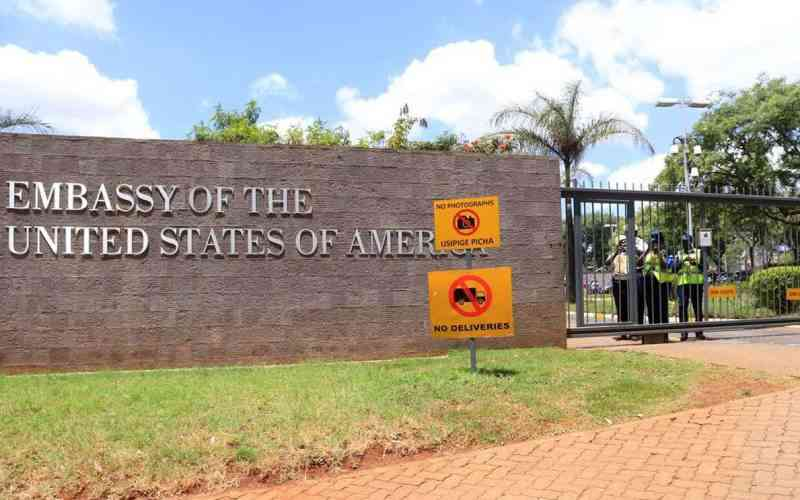
This policy is global, meaning it affects all U.S. embassies and consulates worldwide, including the one right here in Nairobi.
For Kenyan applicants, this means a significant increase in the total cost. A standard tourist visa, for example, will now set you back over KSh 56,000, a steep rise from the previous approximate cost of KSh 24,000.
Why the New Charge?
The U.S. government states that the fee acts as a refundable deposit. Its aim is to deter visa overstays and prevent misuse. To get your refund, you'll need to meet strict conditions:
You must leave the U.S. within five days of your visa expiring.
You must avoid any unauthorised work.
You must comply with all the terms and conditions of your visa.
However, the actual refund process remains a bit murky. Experts are advising applicants to prepare as if the money is non-refundable, just to be safe.
How to Navigate the New System
The payment will be required during your regular visa application process. Failing to stick to your visa conditions could mean you forfeit your refund.
This new policy has already drawn criticism, with many arguing it places an unfair financial burden on African countries.
There are growing concerns about travel inequality and whether this will reduce access to opportunities in the U.S., particularly for youth and those from lower-income backgrounds.
The Impact on Kenyans
For Kenyan students dreaming of studying in the U.S., families hoping to visit relatives, and professionals seeking work experience, this fee considerably raises the overall cost.
Travel agents and education consultants are already warning that this increase could discourage many from applying or even push them to consider other destinations like Canada or the UK.
With the U.S. already perceived as one of the more challenging countries to secure a visa for, this move might widen the gap between the desire to travel and the actual ability to do so.
As the U.S. tightens its rules on compliance, it's more crucial than ever for Kenyans planning to travel to the States to:
Plan carefully.
Document your travel timelines meticulously.
Consult only verified immigration resources to steer clear of costly mistakes.