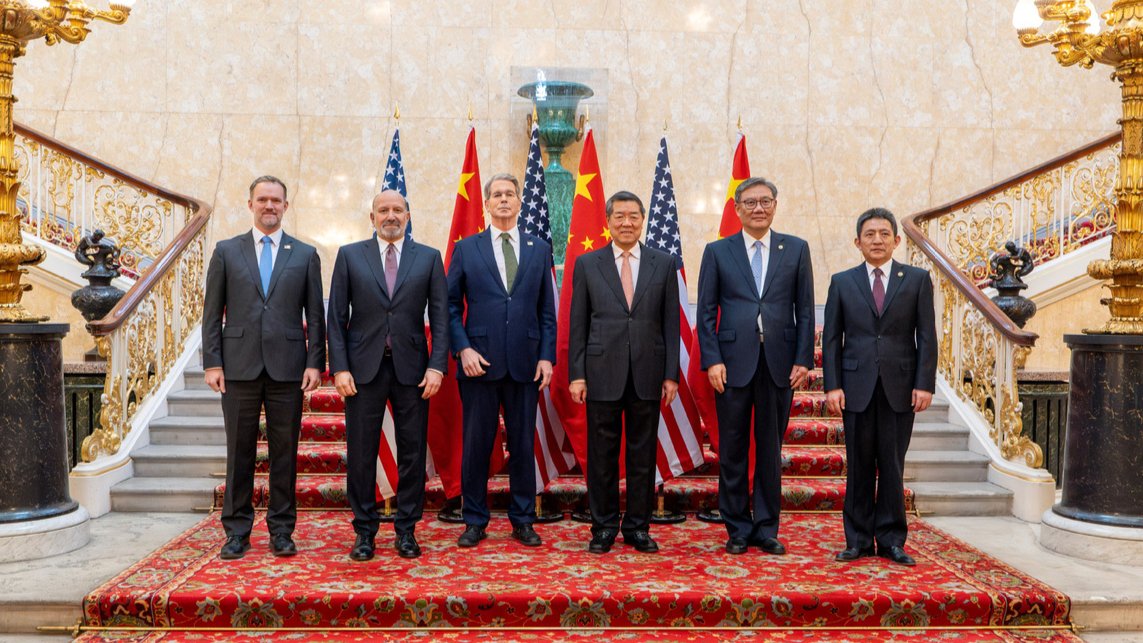
The world's two biggest economies – the United States and China – are back at the negotiating table.
While these conversations might seem a world away, the outcome has very real consequences for traders right here in Nairobi. This is especially true for those who deal in popular items like electronics, machinery, medicines, and everyday consumer goods.
Why It Matters for Kenyan Traders
1. Import Prices Could Stay Stable
If the U.S. and China agree to extend their tariff truce – which is looking likely – it would help keep taxes lower on goods traded between the two countries.
This is vital for Kenya. Why? Because most of our electronics and manufactured goods either come from, or pass through, Chinese factories.
Without a deal, tariffs could skyrocket to triple-digit levels. This would push up manufacturing and export costs, and eventually, those higher prices would trickle down to us in Kenya.
Read More:
Maximizing Profit Potential through Multi-Timeframe Chart Analysis
2. Fewer Shipping Delays and Stock Disruptions
Trade wars really mess up global supply chains.
A continued pause in tariffs means:
Goods can move much faster.
Suppliers can be more consistent and reliable.
Small traders can plan their stock better, avoiding the need to overstock or hoard items.
3. Calmer Currency Exchange Pressure
When global tensions increase, so does the demand for U.S. dollars. This often leads to sharp changes in currency exchange rates. Kenya is already battling a weaker shilling and high import costs, so things could get much worse if this tariff truce collapses.
But with continued talks and no new tariffs:
Demand for the dollar might stabilise.
Importers could avoid sudden, unexpected cost surges.
Profit margins would remain more predictable.