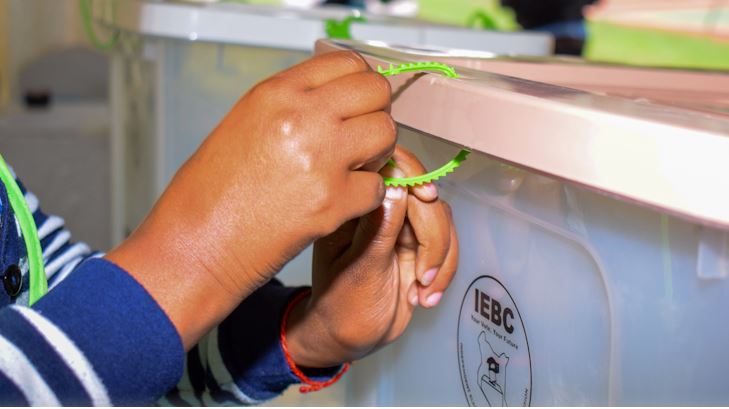
After nearly three years of institutional paralysis, Kenya now has a fully reconstituted Independent Electoral and Boundaries Commission.
The swearing-in of new commissioners brings a measure of optimism in a country where electoral governance has long been characterised by contested legitimacy and recurring crisis.
Yet, this symbolic reset raises fundamental questions: Why did it take so long to rebuild the commission? What structural and normative hurdles lie ahead? And can this commission regain public trust and midwife a credible 2027 general election?
The collapse of the previous IEBC, following the disputed 2022 presidential election, exposed a legitimacy crisis.
Four commissioners disowned the final results, publicly challenging the integrity of the tallying process.
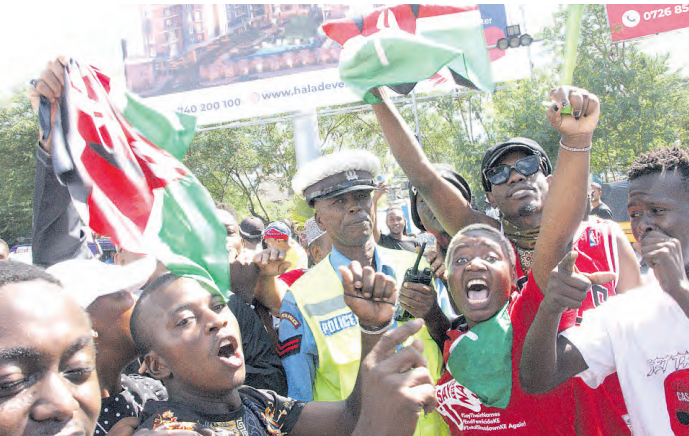
What followed was a prolonged reconstitution process entangled in legal ambiguity, political wrangles over the Selection Panel, and slow implementation of key reforms. Gen Z-led protests amplified public discontent with institutional inertia and the hollow nature of piecemeal reforms.
The three-year vacuum was more than a lull; it was a period of institutional erosion. Key functions such as voter registration, civic education, boundary review and stakeholder engagement were either suspended or drastically scaled down. This not only weakened the commission operationally but also eroded its credibility in the public eye.
The new commissioners inherit a daunting task: steering Kenya’s electoral process back onto a credible, inclusive, and transparent path amid public skepticism and administrative fatigue.
Years of mismanaged elections, political interference and violence have deeply damaged public confidence. To restore trust, the IEBC must prioritise transparency, inclusivity and responsiveness.
Civil society actors like Development Through Media (DTM), which promote accountability and open governance, have long called for this shift from opacity to openness. The commission must abandon insular habits, embrace dialogue and demonstrate consistency in its actions.
After years of inactivity, the IEBC faces significant operational gaps. With less than two years to the next general election, the commission must overhaul its systems—revamping voter registration, retraining personnel, modernising procurement and upgrading digital infrastructure. DTM and other civic actors continue to advocate for sustained institutional strengthening as the backbone of electoral credibility.
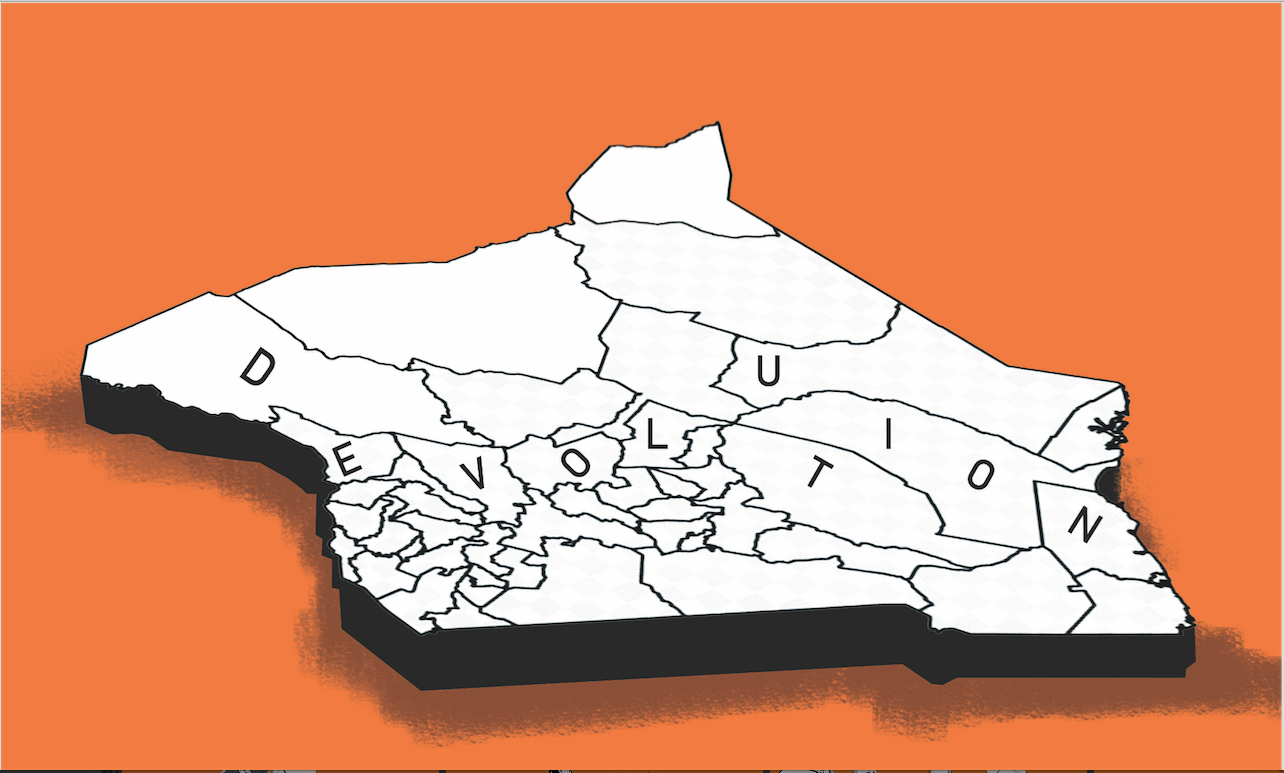
The constitutional requirement to review electoral boundaries every 8–12 years has been neglected and the timing of this exercise, so close to the 2027 elections, poses serious risks.
Boundaries affect representation, resources and ethnic power balances, making them highly contentious.
Without broad consultation and transparency, this process could fuel allegations of gerrymandering or trigger unrest. DTM calls for a participatory, fair and inclusive approach to delimitation to ensure stability and equity.
Kenya’s elections now unfold in a volatile digital space rife with fake news, algorithmic bias and online hate speech.
The commission must develop systems to counter disinformation, bolster cybersecurity and ensure factual public communication.
As a media-focused civic organisation, DTM has consistently promoted responsible digital engagement and sees this domain as a critical area for collaboration with the commission.
The internal implosion of the previous commission—driven by dissent and suspected political interference, exposed the dangers of politicised electoral bodies.
The new commissioners must preserve unity and professionalism, resisting external influence and projecting impartiality. IEBC’s institutional independence is not only a legal requirement but a democratic necessity.
Violence has marred past electoral cycles in Kenya. To break this pattern, the IEBC must proactively work with security agencies, peace actors and civil society to establish early warning systems and enforce safety measures. IEBC should adopt a zero-tolerance policy on electoral violence as a cornerstone of democratic resilience.
The IEBC cannot single-handedly rebuild electoral legitimacy—it must be a collaborative, national effort. The commission must cultivate a culture of service, decentralise accountability and enhance professionalism throughout its structures.
Parliament must ensure enabling legislation, adequate funding, and independent oversight without undermining the commission’s autonomy.
The Executive must refrain from interference, uphold institutional independence and commit to democratic norms. Political actors must resist the temptation to delegitimise the commission for partisan gain.
Civil society, academia, faith-based institutions, and media actors must remain vigilant and constructively engaged. In this spirit, DTM reaffirms its commitment to partnering with the commission to advance civic education, promote informed participation and support democratic institutions at all levels.
The reconstitution of the IEBC is more than an administrative reset—it is a moment of truth. It offers an opportunity to reclaim the promise of electoral justice or risk recycling the betrayals of the past.
The new team must lead with integrity, courage and competence. While the task ahead is enormous, the moment is also historic.
If successful, the commission can help mend the fractured social contract between the state and its citizens. But the responsibility does not lie with IEBC alone. It is a shared script in which all actors — state, society and citizens — must play their part. The commission may hold the pen, but the country will judge the story.
Kenya is not just watching—it is waiting.