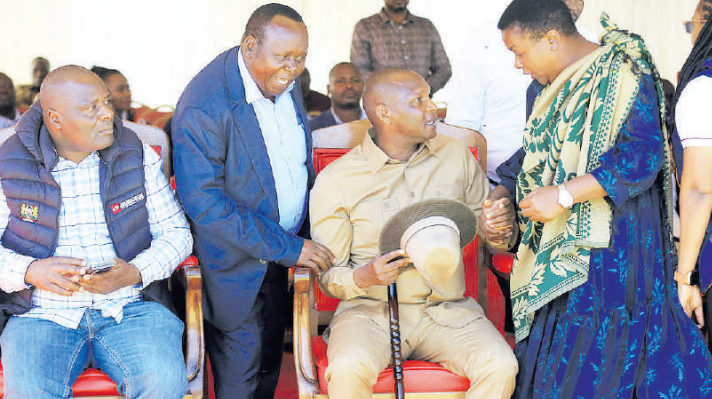
As the country gears up for another political cycle, a familiar face in President William Ruto’s inner circle is stepping into the limelight – not with loud declarations, but with calculated moves at the grassroots.
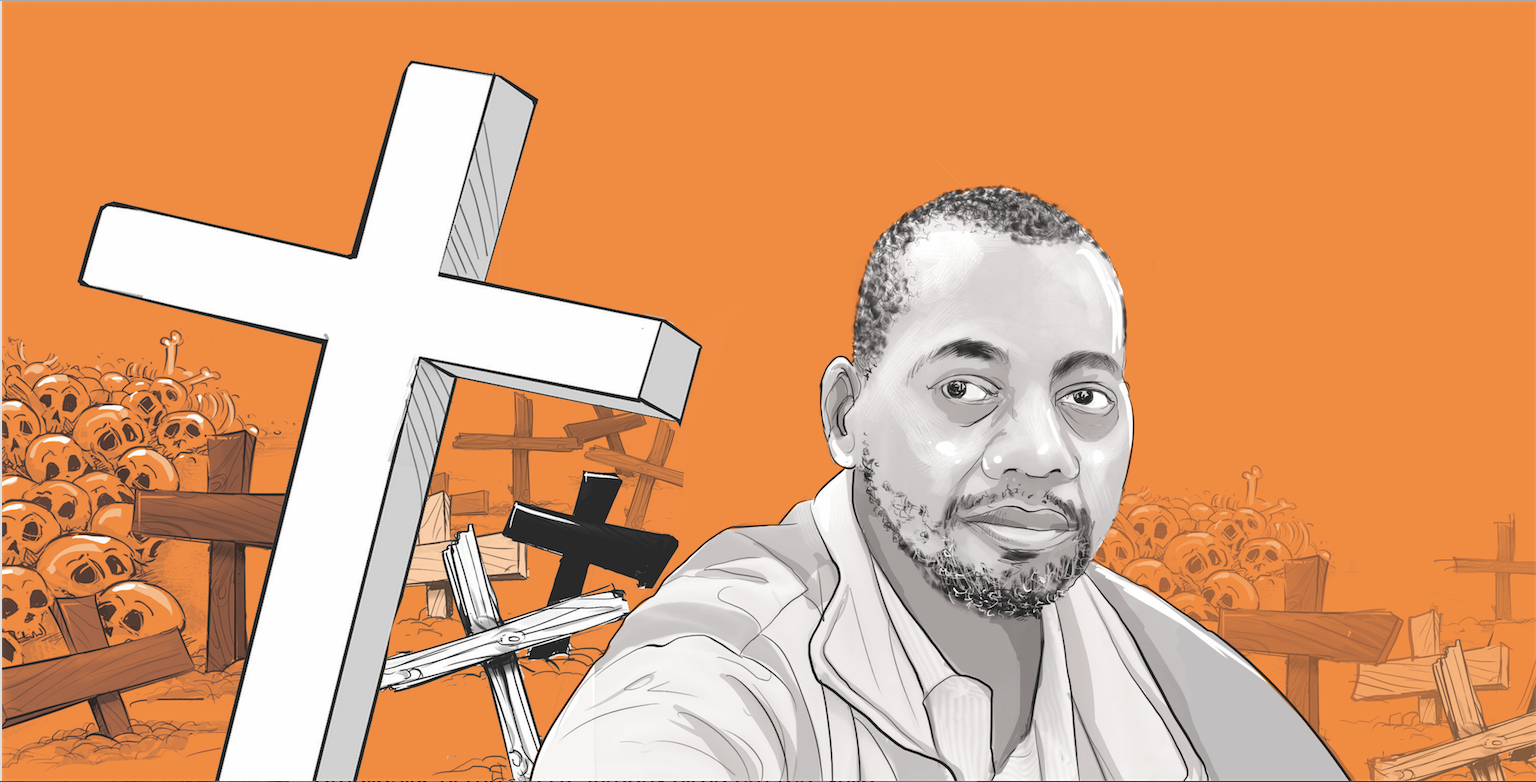
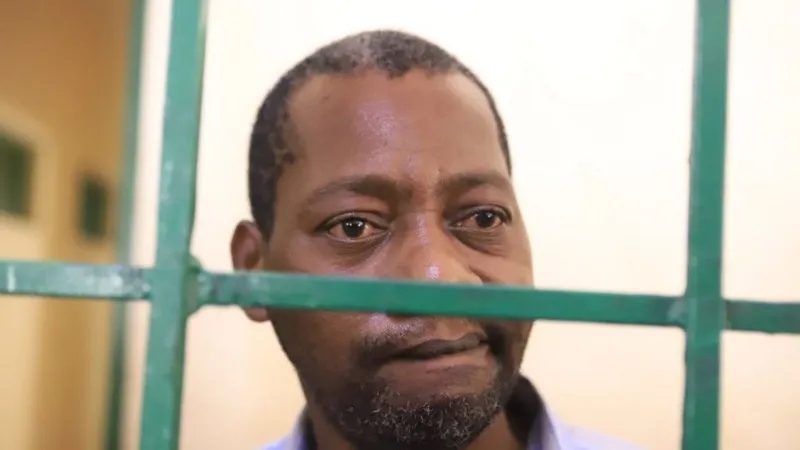
Farouk Kibet, the President's long-serving aide and confidant, is quietly laying the groundwork for Ruto’s 2027 re-election bid, one county at a time.
Over the past months, Kibet has intensified his presence across the country, spearheading weekly county engagements alongside a group of youthful Kenya Kwanza MPs.
At the heart of these engagements is a focus on empowering youth and women's groups through economic programmes. Branded as empowerment initiatives, these meetings are aimed at building loyalty and goodwill for the Kenya Kwanza administration in areas perceived to be controlled by the opposition. But, his approach goes beyond economic matters.
Kibet has also been a key supporter of church construction and renovations, positioning the administration as a friend of faith-based institutions.
This, while also advocating for the government’s programmes including enrolment into the new health insurance scheme – Social Health Authority (SHA). “Sisi tunaamini sana empowerment. Wale wapinzani wetu wanapenda porojo na matusi pekee (We believe in empowerment. Our opponents are only interested in gossip and insults), ” he said during an event in Kimilili, Bungoma county on June 7.
“Tukikuja kusaidia wamama kuna makosa? Tukikuja kusaidia vijana, kuna makosa? (Is it wrong for us to support women and youth),” he posed.
Kibet’s quiet but visible role is drawing attention within political circles, with analysts noting that he is no longer just operating behind the scenes. His efforts are increasingly being seen as part of a strategic, soft-power push to rebrand the Ruto administration and solidify its support base ahead of 2027.
In several instances, Kibet has been accompanied by key political figures including Deputy President Kithure Kindiki, underscoring the significance of the tours.
National Assembly majority leader Kimani Ichung’wah and his Senate counterpart Aaron Cheruiyot have also been common figures.
Apart from Uasin Gishu, Kibet has made strategic appearances in counties such as Makueni, Bungoma and Kitui. Leaders from Kisii, Kakamega and Kiambu have also hosted the team, with more stops expected in the coming weeks.
“We want to uplift people who are at the bottom of the pyramid so that they also lead good lives because that is part of the government’s agenda,” Kibet said.
The events draw large crowds and local leaders, giving the Kenya Kwanza team a chance to reinforce the government's development narrative and rebut criticism from opposition voices. His message has remained consistent: national unity, peace and support for Ruto’s leadership and development agenda.
“We want to unite as a people. We want to tell those people whose only focus is tribalism and shares that there is no room for that in this country,” he said.
Opposition leaders, whom they accuse of sabotaging the government's plans for national transformation, get free mention at the events.
Speaking in Turbo, Kibet took on former Deputy President Rigathi Gachagua over his ‘cousins’ remark, saying it amounts to dividing Kenyans along ethnic lines. Gachagua, while on a tour with other opposition leaders, urged supporters to unite, alluding to neighbouring communities as ‘cousins’. “Hi cousins! Cousins wapendane wasipendane? Cousins watafute serikali pamoja wasitafute?" Gachagua had said.
This loosely translates to: Should cousins love one another and seek to form government together or not? But in a rejoinder, Kibet told off the former DP, urging Kenyans to disregard him.
“He has now started calling other communities 'cousins'. Gachagua is someone who should not be paid attention to. And we are asking the churches not to give room to such people who were removed from office for not helping President Ruto while in office.”
These empowerment initiatives have, however, not gone without criticism.
Jubilee party secretary general, Jeremiah Kioni, recently questioned the source of funding leaders allied to Kenya Kwanza – Kibet included – are dishing out at these harambees.
This has done nothing to deter the ‘philanthropists’ and, as the political temperatures gradually rise, Kibet’s grassroots machinery may prove to be one of the most influential – yet underrated – forces shaping Kenya’s next presidential race.