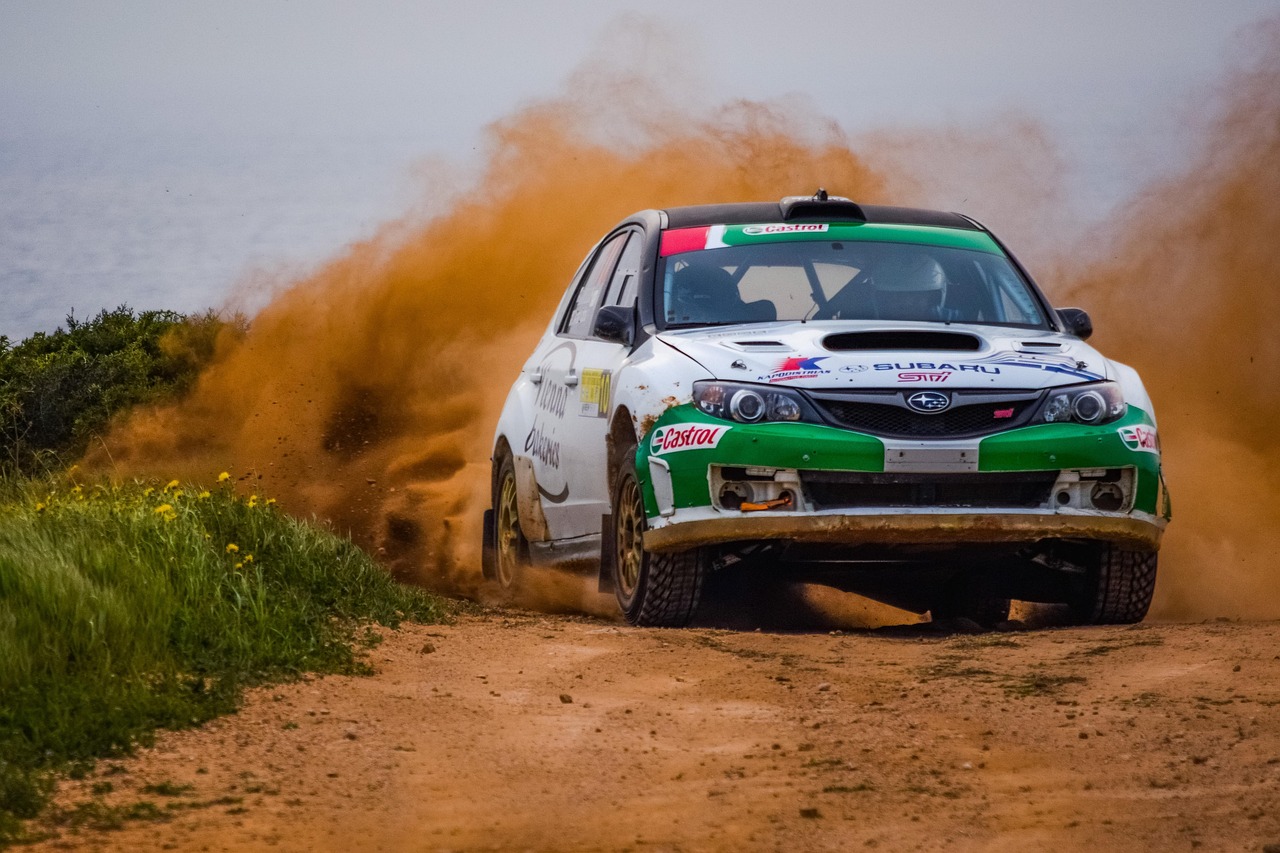
Widely regarded as the toughest rally on the planet, this brutal endurance race has tested drivers, cars, and crews in the harshest conditions imaginable. It’s not just a race; it’s a battle against nature, terrain, and time.
Legendary Beginning
The Safari Rally’s roots date back to 1953 when it was first organized as the East African Coronation Safari Rally to celebrate the coronation of Queen Elizabeth II.
The rally quickly gained a reputation for its difficulty, stretching across thousands of kilometers through Kenya, Uganda, and Tanzania.
Drivers faced unpredictable weather, treacherous roads, and an unforgiving landscape. The event’s sheer brutality meant that most competitors never made it to the finish line, with up to 90% of entrants failing to complete the rally.
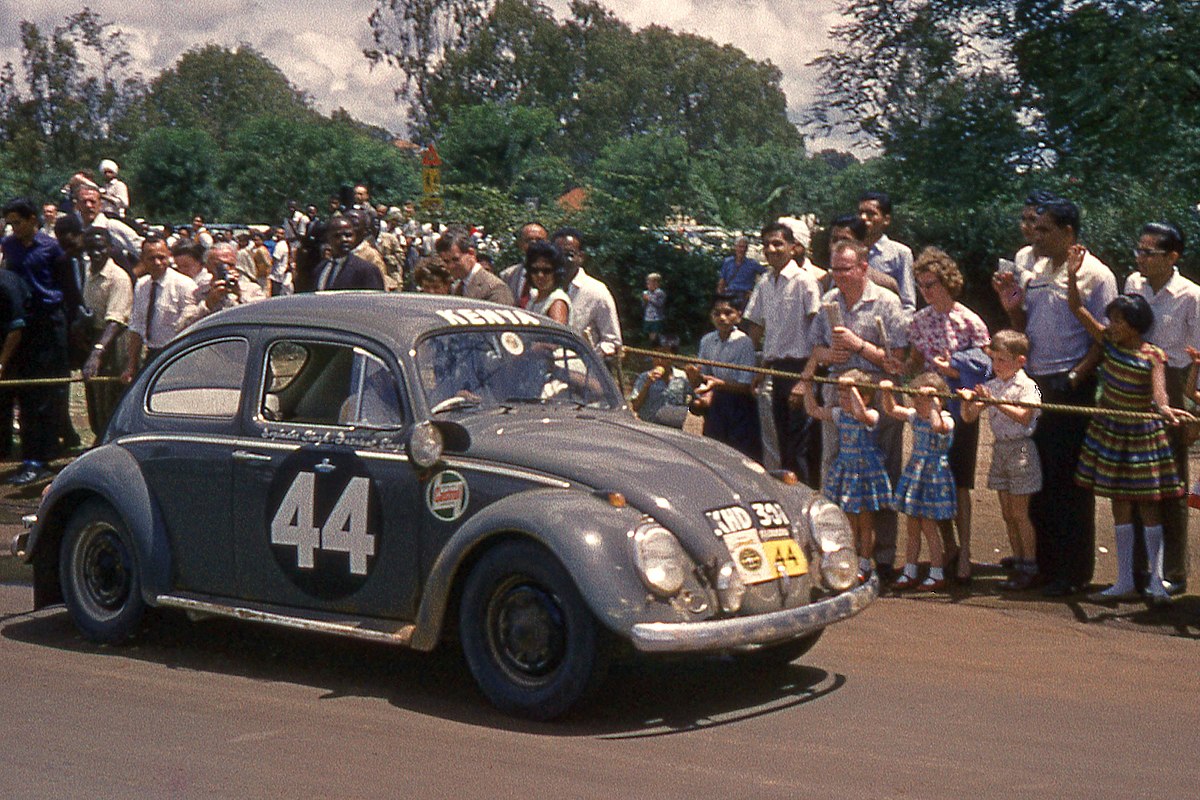
The name changed in 1974 to the East African Safari Rally before finally settling on the Safari Rally in 1975.
Despite the change in title, its reputation as the world's most punishing rally remained intact. Unlike other rally events, which took place on closed-off roads, the Safari Rally was run on public highways, meaning competitors had to deal with not only the rugged terrain but also everyday traffic, wildlife, and unpredictable conditions.
Ultimate Test of Endurance
The Safari Rally is unique in its sheer scope and difficulty. Early editions of the race covered up to 5,000 kilometres, a staggering distance that took competitors across three countries before returning to Nairobi for the finish.
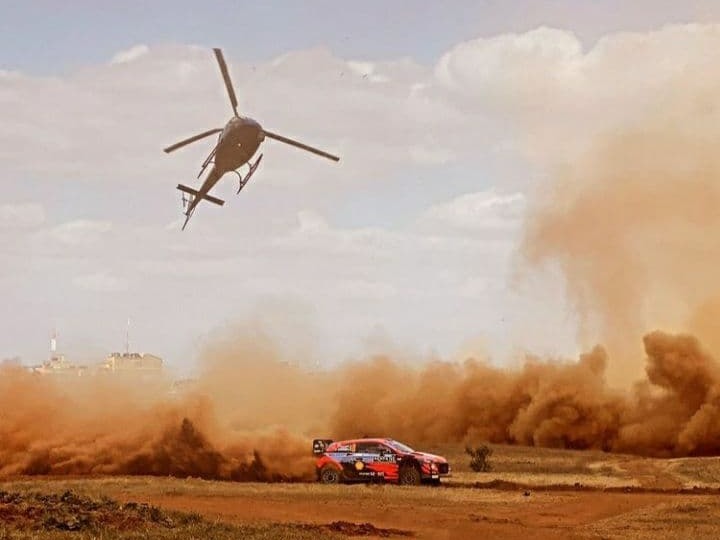
The rally’s conditions were as much an opponent as the other drivers. From dust storms that blinded competitors to torrential rains that turned roads into impassable mud pits, the Safari Rally demanded nerves of steel and supreme mechanical reliability.
Some of the hazards included:
- Wildlife Encounters: Drivers had to dodge elephants, zebras, and antelope, making the Safari Rally a motorsport event like no other.
- Brutal Terrain: The roads varied from smooth, high-speed sections to bone-crushing rocky paths that tore apart suspensions.
- Extreme Weather: The rally took place during Kenya’s rainy season.
Legends Who Conquered It
Over the years, the Safari Rally attracted some of the biggest names in motorsport. One of its most famous competitors was Joginder Singh, also known as the "Flying Sikh", who became the first man to win the event three times.
The 1963 edition was particularly memorable, as only seven cars out of 84 finished, earning the surviving competitors the nickname "The Unsinkable Seven".
Another legend of the rally was Shekhar Mehta, who holds the record for most wins in the WRC era of the event, securing five victories between 1973 and 1982.
Kenyan driver Carl Tundo also achieved five victories, though in the African Rally Championship era. Other greats like Björn Waldegård and Sebastian Ogier have also left their mark on the event.
Rally’s Disappearance and Return
Despite its prestige, the Safari Rally was removed from the World Rally Championship (WRC) calendar in 2002 due to logistical challenges and sponsorship issues.
For nearly two decades, it continued as a national and regional rally event, losing its global spotlight.
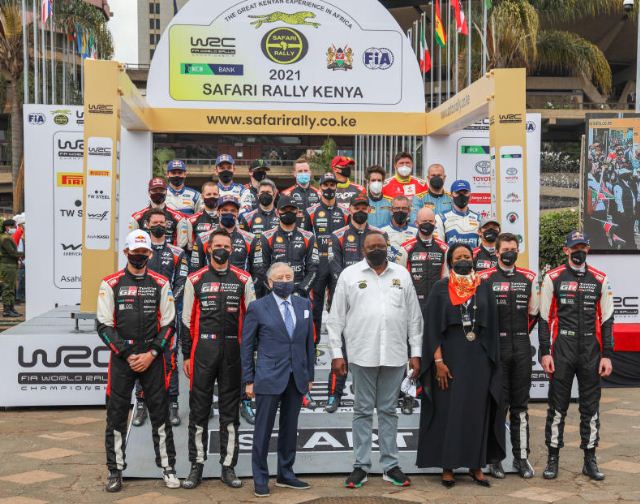
However, in 2021, after a 19-year absence, the Safari Rally made a triumphant return to the WRC calendar. Held around Naivasha, it retained its brutal character.
Safari Rally Today
In its modern iteration, the Safari Rally covers approximately 384 competitive kilometres, making it one of the longest events in the WRC season.
While technological advancements have improved car durability, the rally remains one of the most demanding tests of driving skill and mechanical endurance.
The 2025 Safari Rally Kenya is set to take place from March 20-23, once again bringing the world’s top rally teams to Kenya’s stunning but treacherous landscapes.
With its unique combination of high-speed racing, extreme conditions, and unpredictable wildlife, it still remains as one of the most captivating events in motorsport.