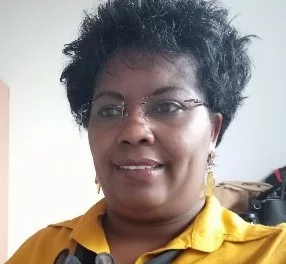
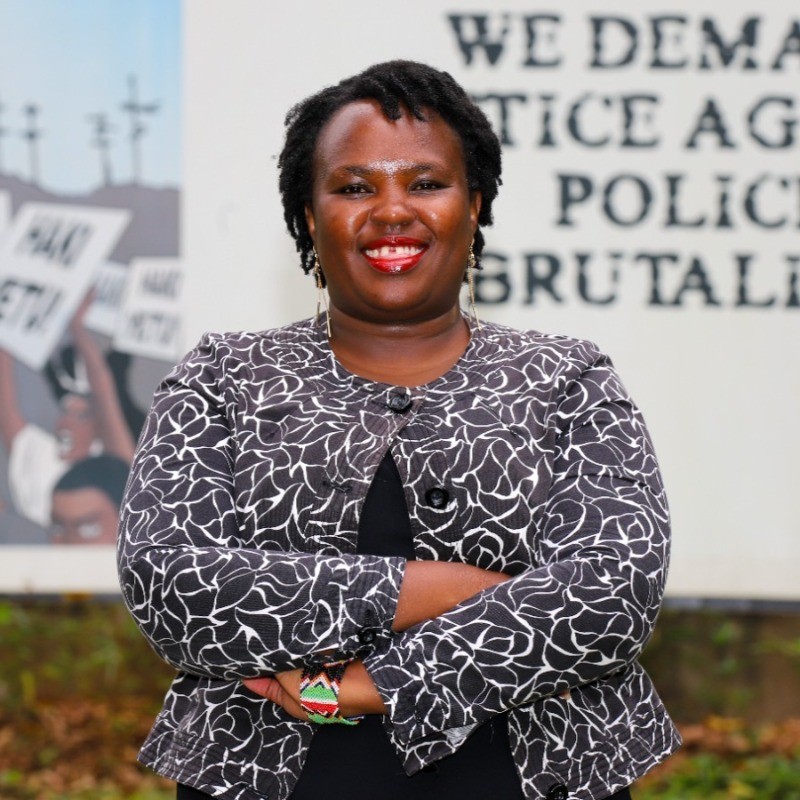
 Gladys Mongare, senior program advisor on land, environment, and resource justice, at Kenya Human Rights Commission.
Africa has leaned on foreign aid and external interventions and failed to cultivate self-sufficiency. The recent exit of USAID programmes and the Trump administration’s funding cuts to global organisations like WHO and UNHCR have left many African institutions in financial turmoil.
Budgetary data from 2023 shows Kenya’s heavy reliance on foreign aid to sustain key sectors. Treasury reports show that Kenya’s health sector received $1.1 billion (Sh142.3 billion), with 36 per cent coming from USAID.
Meanwhile, despite vast arable land, only $540 million (Sh69.8 billion) was allocated to agriculture, with the US contributing 10 per cent. Humanitarian aid and governance reforms also remained largely donor-funded.
While aid helps bridge budgetary shortfalls, it raises a critical question over whether Kenya—and Africa—can achieve true independence without breaking free from donor reliance.
Africa holds some of the world’s most valuable minerals, including lithium, cobalt, and rare earth elements, essential for green energy and technological advancements.
Yet, the continent continues to export these resources raw, allowing others to profit from its wealth. For example, the Democratic Republic of Congo supplies over 70 per cent of the world’s cobalt but processes less than one per cent of it domestically.
If well-managed, these minerals could transform Africa’s economy, fuelling industrialisation, infrastructure development, and job creation.
The African Mining Vision, which promotes local beneciation, transparency, and sustainable mining, must be fully embraced. This vision aligns with Agenda 2063, the African Union’s master plan for sustainable development, which emphasises value addition in mining and reducing dependence on foreign investments.
Africa possesses 60 per cent of the world’s uncultivated arable land, yet food insecurity remains a challenge. Instead of maximising agricultural productivity, billions are spent importing food. Investing in climate-smart agriculture can turn Africa into a global food supplier, ensuring food security and economic stability.
Additionally, Africa has the potential to lead in climate action. Despite contributing the least to global emissions, the continent suffers disproportionately from droughts, floods, and desertification.
Instead of being passive victims, African nations must seize economic opportunities in carbon credit markets, afforestation, and renewable energy investments.
For instance, Morocco’s Noor Ouarzazate Solar Complex, one of the largest solar farms in the world is a potential for renewable energy to drive economic growth.
A 2023 Norges Bank report shows how responsible resource governance has enabled Norway to achieve long-term economic stability.
Similarly, Botswana has demonstrated effective mineral management, using diamond revenues to fund infrastructure, healthcare, and education.
Its prudent policies and sovereign wealth initiatives have made it one of Africa’s most stable economies. For Africa to achieve true economic independence, nations must move beyond exporting raw materials and invest in value addition, ensuring resource wealth benefits citizens rather than primarily serving foreign investors.
Africa already has a clear roadmap to break free from dependency through Agenda 2063. This AU initiative envisions a self-sufficient, industrialised, and prosperous continent. It emphasises the full beneficiation of Africa’s natural resources, reducing the export of raw materials in favour of value addition.
It also promotes intra-African trade to lessen reliance on Western markets while advocating sustainable infrastructure and manufacturing industries to drive economic independence. It is time for the AU to move beyond rhetoric and accelerate the implementation of Agenda 2063. The vision must not remain a document on paper but a transformative reality.
With shifting global geopolitics, Africa must act with urgency, strengthening its institutions, securing its resources, and positioning itself as a key player in the global economy. Delays will only keep the continent vulnerable to external influence and economic exploitation. The time to rise is now.
Gladys Mongare is senior program advisor on land, environment, and resource justice, at Kenya Human Rights Commission.