Special edition: Scientists seek affordable technology to cut livestock methane emissions
Researchers are seeking to develop affordable, locally made technologies to measure and reduce methane emissions from cattle, sheep and goats as part of efforts to make livestock production more climate-friendly.
The initiative also seeks to equip students and technicians with practical skills to develop locally relevant solutions, reducing reliance on expensive technologies while helping farmers cut greenhouse gas emissions without compromising milk and meat production.
By building local expertise and developing affordable measurement tools, researchers hope to make it easier to identify emission-reduction opportunities and translate scientific findings into practical solutions for livestock farmers.
This isbeing led by Kenyan start-up Rumi Boost Agritech Limited in collaboration with the International Livestock Research Institute (ILRI) and the Kenya Agricultural and Livestock Research Organisation (KALRO).
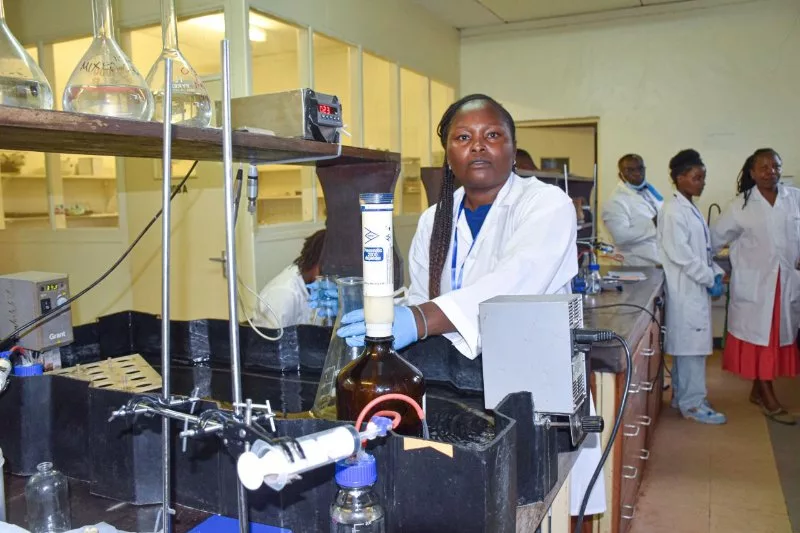
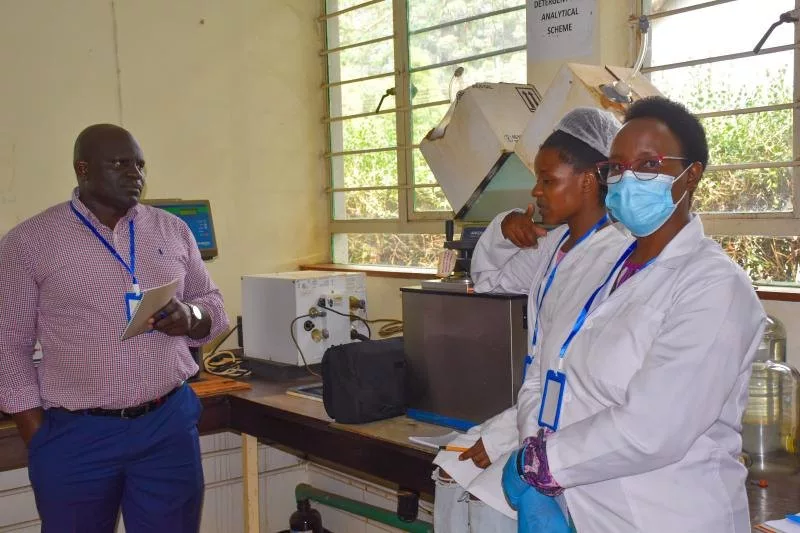
As part of the initiative, students from the University of Nairobi, Jomo Kenyatta University of Agriculture and Technology (JKUAT), the University of Embu and other institutions received theoretical and practical training on greenhouse gas emissions, their sources and technologies for measuring and reducing methane from livestock.
Dr Chernet Woju, co-founder of Rumi Boost Agritech, explained that methane is a potent greenhouse gas produced by ruminant animals during digestion.
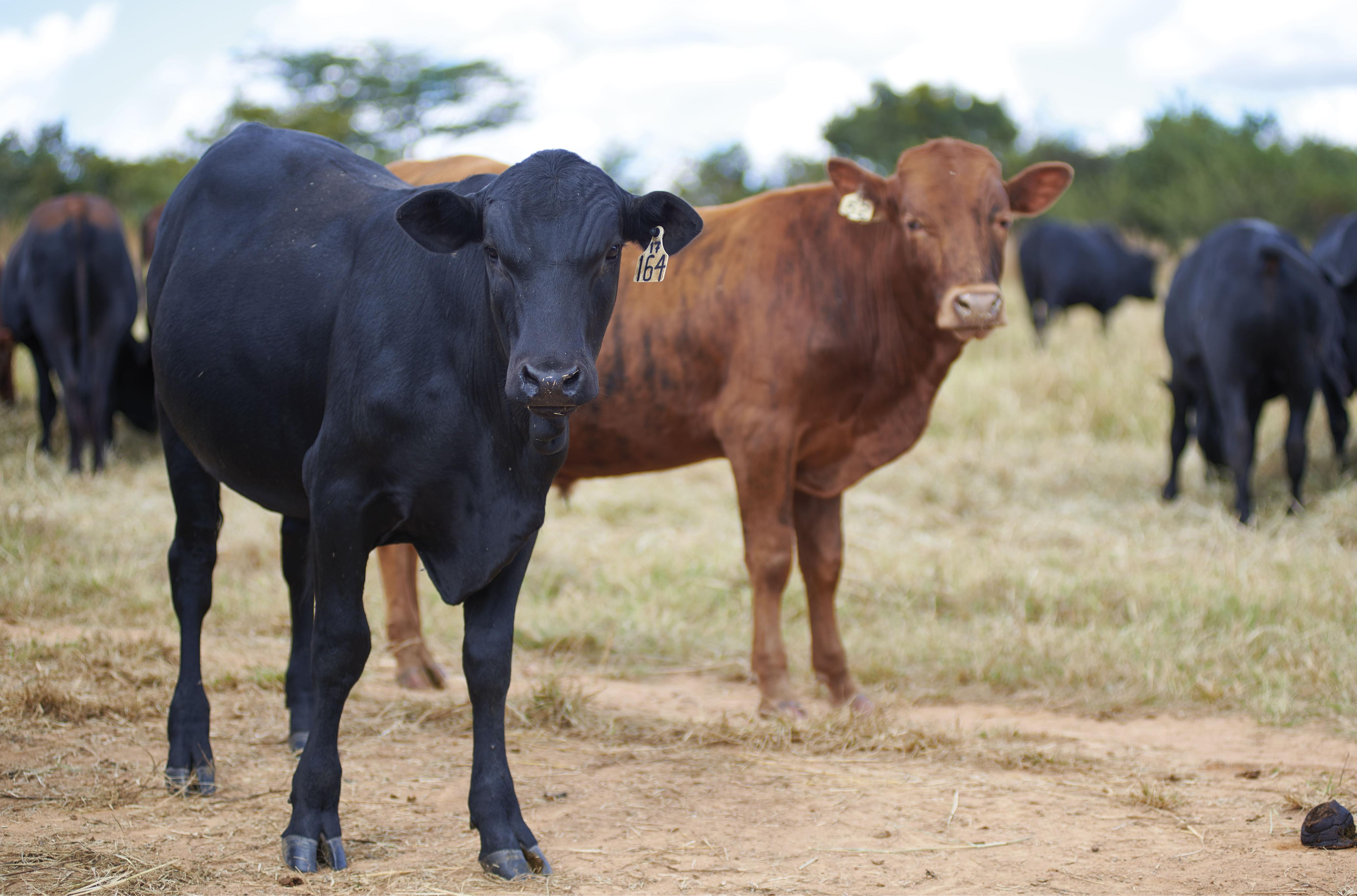
“When cattle, sheep and goats break down feed in their rumen, a specialised stomach compartment, methane is released into the atmosphere,” he said.
The programme was designed to move beyond classroom instruction by giving participants practical experience in developing methane-measuring equipment.
"We don't want to leave them with the usual workshop training where they receive theory and go. We want them to have hands-on experience," he said.
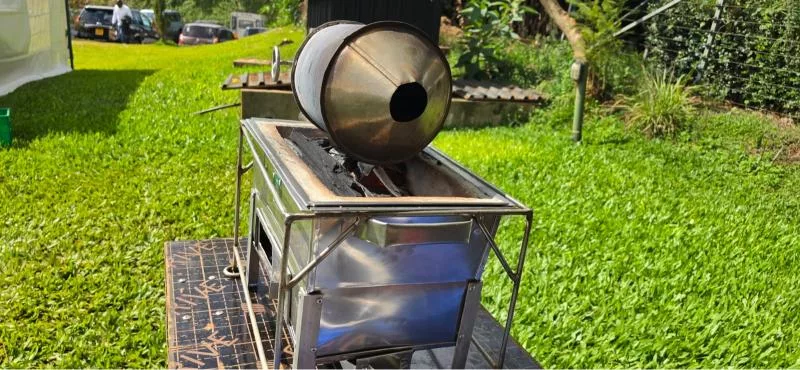
The participants constructed simple methane-measuring devices using an in-vitro foam bottle system and used them to assess emissions from different feed additives, including KALRO's Calpro, Rumi Boost's product and seaweed.
He said the exercise was intended to help them understand how different feed interventions influence methane production and develop skills that could support further research.
Woju said the company, which started operations this year, is working on methane-reducing feed additives, as well as technologies for measuring emissions, and that the long-term ambition is to expand the work beyond Kenya to other African countries.
Dr Willy Adero, a senior research scientist at KALRO's Biotechnology Research Centre in Kabete, said addressing livestock emissions is important as Kenya seeks to protect agricultural productivity from the effects of climate change.
He said the challenge was to develop technologies that reduce emissions while improving livestock productivity, particularly milk and meat production.
"While we are looking at ways of mitigating climate change, we also have to take care of productivity," he said.
Adero said KALRO had developed a product called Calpro, which he said had demonstrated the potential to reduce methane emissions from individual livestock by about 30 per cent.
He said the product could also improve livestock productivity, with the organisation's tests indicating potential increases in milk and meat production.
According to Adero, the liquid product costs Sh1,000 per litre and can be administered to livestock, with farmers advised to seek guidance on its appropriate use.
He said farmers needed to engage research institutions to understand and access technologies that could improve their livelihoods while reducing environmental impacts.
Purity Gakii, a senior technologist in the Department of Animal Production at the University of Nairobi's College of Agriculture and Veterinary Sciences, said improving animal nutrition was central to methane mitigation.
She said researchers could reduce emissions by manipulating livestock diets, including combining roughages with feeds containing sugars, and developing feed additives that influence rumen fermentation.
“There are still significant gaps in both methane measurement and mitigation, particularly in developing affordable technologies that African researchers and institutions could use,” said Gakii.
“There is need for locally developed equipment that can measure methane emissions while assessing other important fermentation products, including volatile fatty acids, which are associated with livestock productivity,” she added.
Currently, she said, researchers may have to use different laboratories to analyse gas emissions and fermentation products, making the process expensive.
Margaret Wanjiku, an animal health and processing student at Jomo Kenyatta University of Agriculture and Technology (JKUAT) said the training had changed her understanding of methane mitigation and the role young researchers could play.
Before attending the training, she knew methane contributed to global warming but had not realised that livestock emissions could be measured and reduced through practical interventions.
She said the training had challenged students to move beyond acquiring academic certificates and develop research ideas and projects that address community needs.
Wanjiku said she hoped to explore livestock feeds that could reduce methane emissions while remaining beneficial to farmers.
"For a farmer, it is important to know whether the feed is helping reduce methane and whether it is also adding value to the farmer," she said.
Adero said the next phase of the initiative would involve engaging farmers to understand their needs before taking the research to policymakers to support the adoption of effective technologies.
He said research would have limited impact if farmers could not access the innovations or if policies did not support their uptake.
The researchers hope that equipping students and technicians with practical skills will help build a new generation of scientists capable of developing affordable solutions for livestock farmers while contributing to climate-change mitigation.
Instant analysis
According to KALRO, the livestock sector is a significant contributor to global methane emissions, mainly due to enteric fermentation (the natural digestive process in ruminant animals such as cattle, sheep, and goats) and manure management. Methane is a potent greenhouse gas that plays a major role in global warming. With Africa hosting some of the world's largest livestock populations, it is becoming increasingly important to develop affordable and locally accessible solutions to measure and reduce these emissions. Currently, many of the technologies used to measure methane emissions and the feed additives designed to reduce them are sourced from outside Africa, making them expensive and often inaccessible to local researchers, laboratories, and farmers. To tackle this challenge, the Kenya Agricultural and Livestock Research Organization (KALRO), in collaboration with the International Livestock Research Institute (ILRI), conducted a training to equip young Kenyan scientists and laboratory technicians with practical skills for measuring and finding ways to reduce livestock methane emissions.