KenGen has secured 13 corporate partners for the third edition of the Sustainable Energy Conference (SEC) 2026, as the electricity generator seeks to mobilise investment and accelerate Africa’s transition to clean energy.
The partnerships bring together financial institutions, energy companies, regulators and technology providers ahead of the international conference scheduled for November 24 to 27, at KenGen’s Geothermal Spa in Olkaria, Naivasha.
The four-day gathering, themed Powering Africa’s Green Industrial Revolution, is expected to attract 1,500 delegates from more than 80 countries, including 200 investors and 40 financiers.
The partners include KCB Group, Radio Africa Group, Sun King, Stanbic Bank, the Energy and Petroleum Regulatory Authority, Geothermal Development Company, Kaishan Group, Co-operative Bank of Kenya, Equity Bank, NCBA Group, Kipchimchim Group, WTS Energy and Brands and Beyond.
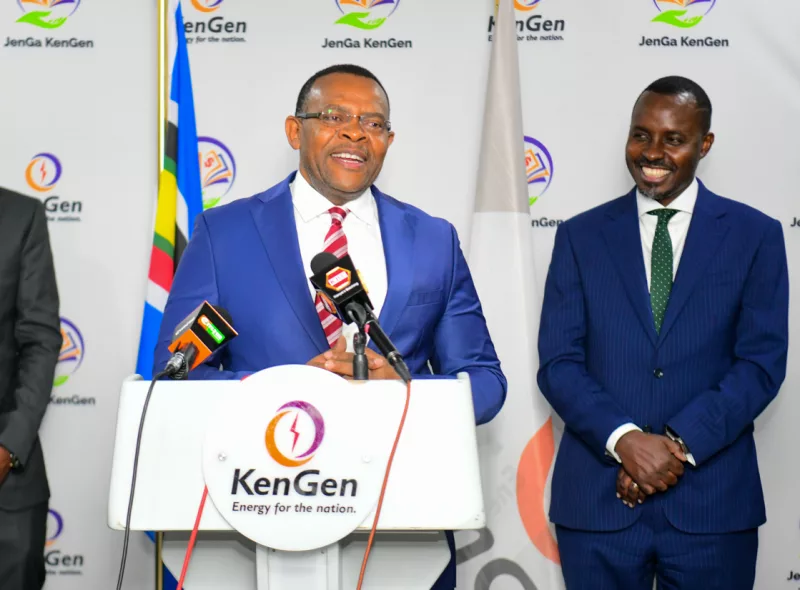
Speaking during the partnership signing on Wednesday, KenGen managing director and chief executive Peter Njenga said the growing private-sector participation reflected increasing confidence in the opportunities presented by Africa’s clean energy transition.
“We are at a very crucial juncture in the energy sector where we are expanding to cleaner energy against growing demand. These partnerships bring together complementary expertise, capital and technology that are essential to accelerating geothermal development and strengthening Africa’s energy future,” he said.
Njenga said the conference would provide a platform for industry players to exchange knowledge, explore investment opportunities and develop partnerships to turn Africa’s renewable energy potential into economic gains.
The partnerships cut across geothermal development, financial services, energy regulation, industrial investment, energy access and technical expertise, highlighting the growing role of private capital in financing the continent’s energy transition.
Among the key investment projects expected to feature in the discussions is an approximately $800 million (Sh103.6 billion) green fertiliser plant being developed by Kaishan Group at KenGen’s Olkaria Green Energy Park.
The facility will be powered by 165 megawatts of geothermal energy and is expected to create more than 2,000 jobs, underscoring the potential of renewable energy to support industrialisation beyond electricity generation.
KenGen is positioning the conference against an expanding renewable energy investment pipeline, with a target of adding 5,540 megawatts of renewable energy capacity by 2034.
Its immediate development programme includes approximately 250 megawatts expected to be connected to the national grid by 2027, incorporating a 100-megawatt battery energy storage system.
The Olkaria Green Energy Park, which has attracted five investors in sectors including fertiliser manufacturing, steel fabrication and fish feed production, will also provide a case study on how geothermal resources can support energy-intensive industries and attract new investment.
The conference will focus on investment mobilisation, project development, financing partnerships and opportunities across the renewable energy value chain.
Activities will begin on November 24 with a town clean-up exercise in Naivasha involving KenGen employees, corporate partners and local residents.
The official opening will take place on November 25, with Treasury Cabinet Secretary John Mbadi expected to preside as chief guest. Panel discussions and plenary sessions will run through Wednesday and Thursday, followed by power plant tours on Friday and a golf event on Saturday.
The gathering comes as African economies seek to expand electricity access, reduce dependence on fossil fuels and leverage renewable energy resources to drive manufacturing, job creation and economic competitiveness.