Kenya has officially started drilling crude oil in Turkana, setting the stage for the country's entry into commercial oil production from December 1, with Gulf Energy targeting an initial output of 20,000 barrels per day.
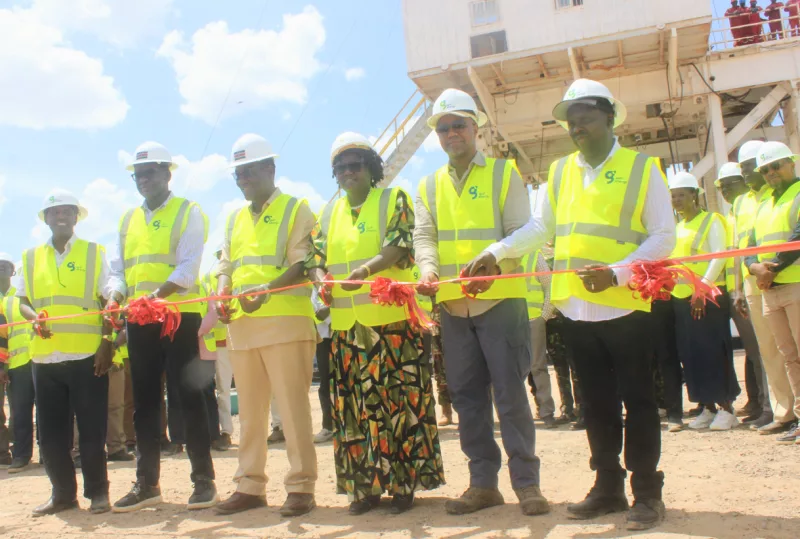
The historic milestone was marked on Friday following the spudding of the Amosing 1 well pad in the South Lokichar Basin, where the government-backed drilling programme is expected to unlock the country's long-awaited oil production potential.
Spudding, the process of commencing drilling operations on a well, signals the start of the first phase of Gulf Energy E&P BV SEZ's development of the oil fields in Blocks T6 and T7.
Energy and Petroleum Cabinet Secretary Opiyo Wandayi presided over the ceremony in Turkana County, following the installation, levelling and commissioning of the GW70 onshore drilling rig, leased from China's Great Wall Drilling Company.
Wandayi said the government was committed to keeping the project on schedule, with December 1 set as the target date for the commencement of first oil production.
He described the start of drilling as a historic milestone in Kenya's efforts to develop its petroleum resources, adding that the government was supporting the accelerated development of the fields in line with the parliamentary-approved Field Development Plan (FDP).
The first phase will focus on four fields — Ngamia, Amosing, Twiga and Ekales, collectively known as NEAT — with Gulf Energy targeting production of more than 20,000 barrels per day.
The wider development programme covers six oil discoveries in Blocks T6 and T7, which have an estimated recoverable resource of 326 million stock-tank barrels over the 25-year contract period.
“This spudding event by the Government of Kenya's contractor, Gulf Energy E&P BV SEZ, marks a historical milestone ahead of first oil production,” Wandayi said.
He commended Gulf Energy and its contractors for their progress, saying the government expected the project to be delivered in line with the approved development plan.
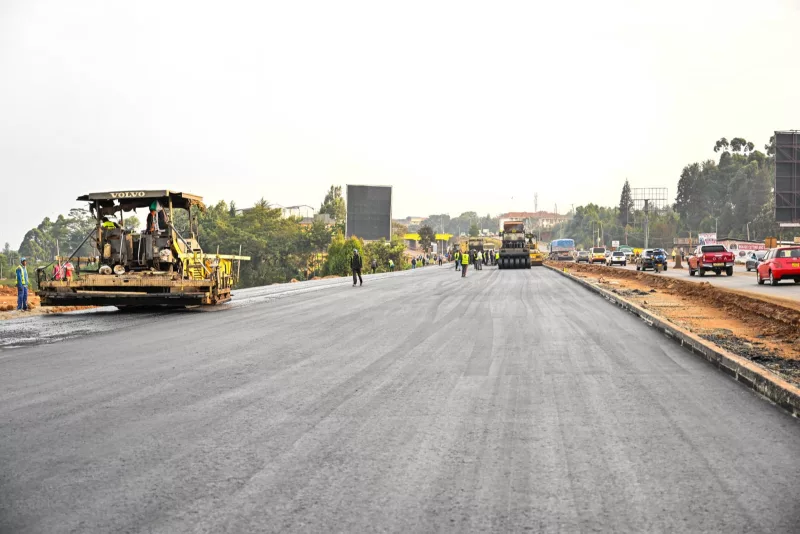
Transport Cabinet Secretary Davis Chirchir said the government was investing more than Sh24 billion in infrastructure development in the oil-producing region, including roads to support operations and improve connectivity.
He said the investments would also support economic activity and improve the region's socio-economic prospects.
Gulf Energy managing director Paul Limoh said the company was maintaining its project implementation schedule and had put in place the systems required to begin production.
Under the initial phase, crude oil will be transported by road from Turkana to Mombasa for storage at the Kenya Petroleum Refineries Limited tank farms, beginning December 1.
The company plans to increase output to 50,000 barrels per day in the second phase as development of the wider oil fields progresses.
“At Gulf Energy, we are maintaining a tight delivery and project management schedule with the support of all our stakeholders, with a pledge to deliver against the FDP to world-class standards,” Limoh said.
The company has contracted Baker Hughes to provide integrated well services, while energy technology firm SLB will deliver the Early Production Facility (EPF) required to support initial production.
Kenya's crude is classified as light-to-medium, sweet and paraffinic, with an API gravity of about 30.5 degrees. Its relatively high wax content presents technical considerations for handling and transportation, particularly under temperatures below the crude's wax appearance point.
The crude is expected to be priced against the Dated Brent benchmark, exposing the country's potential oil revenues to movements in international market prices.
The South Lokichar development is being undertaken under Production Sharing Contracts between Gulf Energy and the national government, with oversight from the State Department for Petroleum and the Energy and Petroleum Regulatory Authority (EPRA).
The government projects that the development could generate more than $2.9 billion (about Sh371 billion) in lifetime earnings, depending on international oil prices and actual production volumes.
The commencement of drilling marks a critical transition from years of oil exploration and field development towards production, although the scale of economic benefits will ultimately depend on sustained output, global crude prices and the costs of developing and transporting the oil.