KENYA is facing another year of mounting debt repayment pressure as developing countries’ external debt surged to a record $9.4 trillion (Sh1,217.3 trillion) in 2025, with expensive borrowing threatening to crowd out essential public investments.
The World Bank’s International Debt Report 2026 shows external debt among developing countries increased 5.5 per cent, the fastest pace since 2021 and nearly four times the average growth recorded between 2022 and 2024.
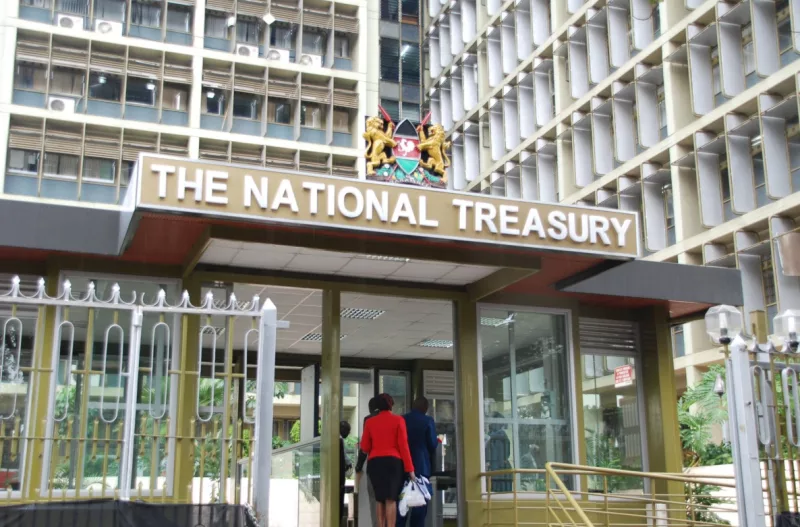
The findings come as Kenya grapples with a ballooning public debt stock, rising interest payments and shrinking fiscal space, with the Treasury projecting debt-related costs of Sh1.918 trillion in the 2027-28 financial year.
Kenya’s public and publicly guaranteed debt crossed Sh13.01 trillion by mid-2026, comprising approximately Sh7.33 trillion in domestic debt and Sh5.68 trillion in external obligations.
The country’s debt-to-GDP ratio remains around 67 to 70 per cent, while taxpayers face a debt-servicing bill estimated at between Sh1.9 trillion and Sh2.3 trillion under the proposed Sh4.82 trillion 2026-27 budget.
The World Bank says improved access to international finance has come at a steep price, particularly for the poorest economies, where high borrowing costs are undermining spending on development.
Private creditors drove much of the global increase, with bond issuance by public entities rising nearly 35 per cent to $251 billion (Sh32.5 trillion), the highest level in five years.
External debt among the most vulnerable countries, eligible for concessional financing from the World Bank’s International Development Association, increased 8.1 per cent to $1.3 trillion (Sh168.35 trillion).
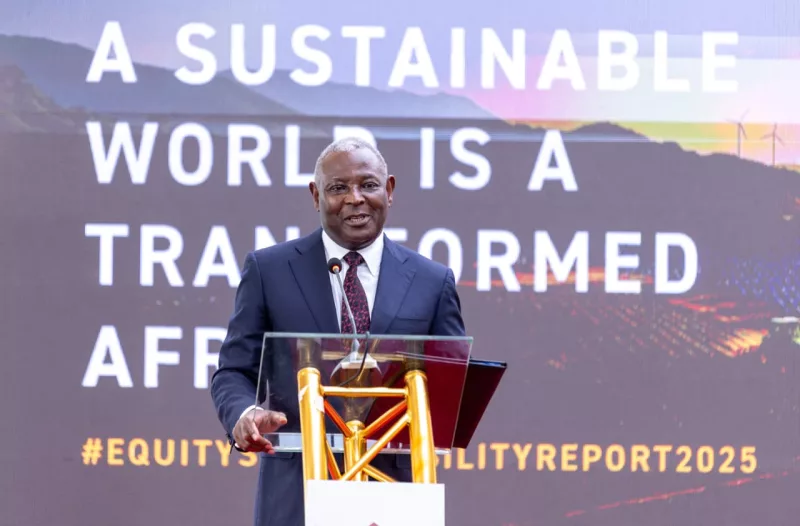
“The return of private lending to low- and middle-income countries is welcome, but these countries are borrowing more, paying more, and in many cases leaving less for long-term development,” said Haishan Fu, the World Bank Group’s chief statistician and director of development data.
The cost of borrowing has been particularly punishing for poorer nations, with IDA-eligible countries paying an average 8.2 per cent on new private-creditor commitments in 2025, the highest since 1989, and 9.4 per cent on new bonds.
Meanwhile, low- and middle-income countries paid $1.4 trillion (Sh181.3 trillion) in principal and interest during 2025, marking a fifth consecutive annual increase.
Between 2022 and 2025, developing countries paid $436 billion (Sh56.46 trillion) more in debt service than they received in new financing.
In Kenya, the pressure is expected to intensify as the Treasury’s Draft 2027 Budget Policy Statement projects a fiscal deficit of Sh1.35 trillion, to be financed through Sh924.9 billion in domestic borrowing and Sh393.9 billion from external lenders.
The Treasury projects debt-related costs will rise from Sh1.797 trillion in 2026-27 to Sh1.918 trillion in 2027-28, an increase of Sh120.5 billion.
The rising bill comes as the government balances debt obligations against allocations for education, health, infrastructure and county governments.
Interest payments are projected to consume 42 per cent of ordinary revenue in 2026-27, compared with 14.7 per cent in 2013-14, according to the draft policy statement.
Treasury also places the present value of public debt at 65.6 per cent of gross domestic product, above the government’s stated debt anchor range of 55 per cent.
The proposed budget allocates Sh857 billion to education, Sh229 billion to health and Sh455 billion to counties, while the national government faces an estimated financing gap of Sh291.6 billion after mandatory expenditures.
National Treasury plans to pursue debt swaps, refinancing and buybacks to smooth maturities, while relying mainly on concessional and semi-concessional external loans for capital projects.
It also plans to diversify financing through Samurai loans, Sukuk, Panda bonds and sustainability-linked instruments.
However, the World Bank warns that debt management alone may not resolve the pressure if borrowing costs remain elevated and governments continue diverting resources from development.
The challenge for Kenya now is increasingly how to finance public services and economic growth without placing a heavier burden on taxpayers or undermining future investment.