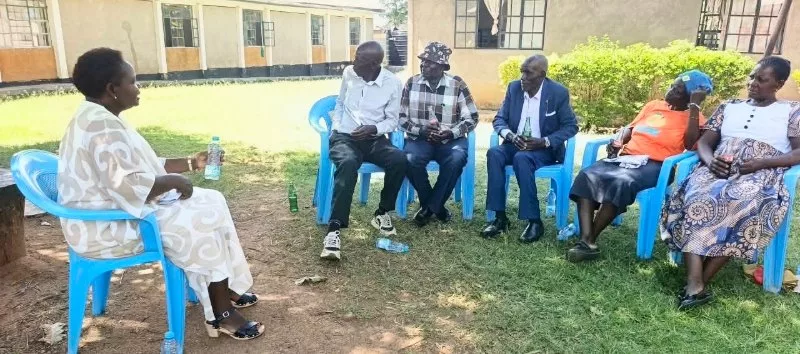
For many grandparents in Kenya and other third-world countries, old age is not a season of rest. It is another chapter of parenthood.
From waking up in the wee hours to prepare their grandchildren for school, packing lunches, washing and ironing uniforms, checking homework and attending school meetings.
The senior citizens find themselves doing what they thought they were done with, at a time when their bodies are growing weaker, energies diminishing and their own needs more pressing.
Many are struggling to provide basic needs and emotional security on meagre incomes, uncertain pensions or the little they earn from farming and casual labour.
At the dinner table, a grandparent may quietly surrender the biggest portion of food to a grandchild, pretending that they are not hungry.
The reasons grandparents get back into parenting include early pregnancies by school-going girls, as they return to school to complete their studies, while others leave their toddlers to their parents to travel to towns in search of employment,
In some cases, grandparents take up the responsibility for their grandchildren because of collapsed marriages as their mothers try to rebuild their lives elsewhere, while others take in orphans when their parents die.
Margaret Muhoma of Emukhuwa village in Etenje, Mumias West sub-county stepped into a second round of parenthood when her daughter left behind a baby boy and disappeared.
“I have been taking care of my grandson since then, until now he is in Grade One, with little knowledge of where his mother was. She resurfaced later to explain that she had gone looking for a job,” said Muhama, popularly known as Nyakano.
For Nyakano, the demands of raising a young boy do not end when the sun sets. There are school needs to consider, meals to prepare, clothes to provide and the daily responsibility of ensuring that he grows up in a safe and loving environment.
For Peris Godia, the journey into grand parenting as a full-time responsibility began unexpectedly when her daughter gave birth while still in school.
“I wake up at 5 am to prepare breakfast, uniform and packed lunch. Then I walk her to school, after which I return home to domestic chores that include fetching firewood, water and other work before I think of supper.”
Godia said that raising her granddaughter is not simply about keeping a child fed and clothed but also about giving her a foundation on which she can build her life.
John Njangu, a grandfather of two girls, said some grandparents worry about what will happen to the children when they become too old or too ill to care for them.
“Many fear complaining because for being misunderstood or appearing unwilling to support their families. They love their grandchildren; however, loving a child does not eliminate the physical, financial and emotional cost of raising one,” he said.
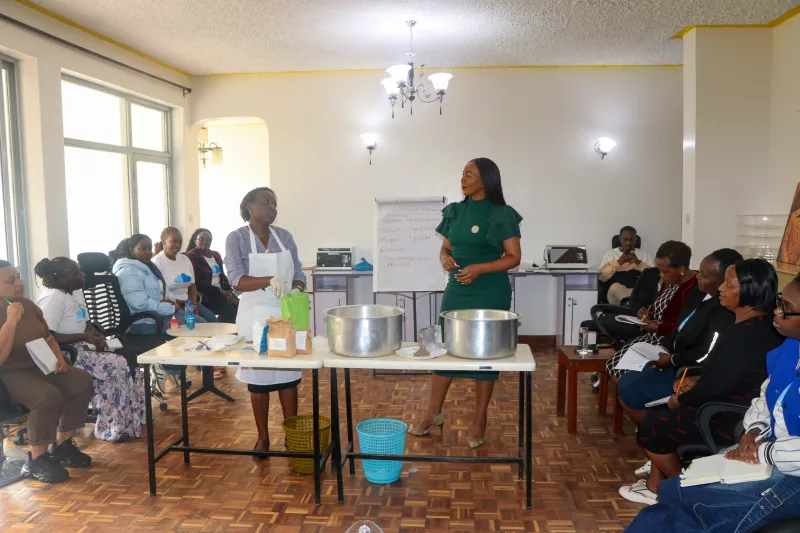
A Community Based Organisation (CBO), Wezesha Tulinde Amani has initiated dialogue, dubbed “Grand Connection”, with the grandparents to explore how grandparents can effectively nurture, guide and support their grandchildren to become responsible and successful members of society.
The programme brings generations of grandparents, parents, youth, and grandchildren back into conversations alongside counsellors, educators, religious leaders, health professionals and other community stakeholders.
The programme seeks to reinforce family connections and promote understanding of parenting across generations.
Director Dr Beldina Otieno says the programme offers an important opportunity to recognise grandparents not simply as family members who step in when circumstances become difficult, but as influential figures in children's development.
“The central message of Grand Connection is especially relevant in communities where grandparents have become indispensable to family survival,” she said.
She said family life is changing quickly due to rural-urban migration, demanding work schedules, digital lifestyles and new parenting approaches, resulting in a gap in values, discipline, identity and emotional support and ultimately in community cohesion.
Otieno said grandparents remain a powerful source of love, stability, mentorship and cultural continuity.
“For the older parents, raising a child requires more than meeting immediate needs. It also means helping that child develop confidence, emotional resilience, discipline, sound values and the ability to make responsible decisions,”
“We want to have an honest discussion of difficulties older adults and their families face, from caregiving to mental wellness and ageing with dignity. Their significant roles in creating a supportive home environment, encouraging education, communicating openly and helping children understand the consequences of their choices,” said Otieno.
She said most of the grandparents are also helping grandchildren navigate peer pressure, relationships, disappointment and the challenges of growing up in a rapidly changing world.
“But since the grandparents themselves need guidance and support to fulfil these responsibilities effectively, we want to create a safe space where every person feels valued, heard and able to be vulnerable without fear of judgment,” she added.
As the Grand Connection programme explores the ways grandparents can nurture and guide the next generation, it also invites society to reflect on a simple but important question: Who takes care of those who spend their later years taking care of everyone else?
Instant analysis
Kenya’s grandparents are increasingly shouldering the burden of raising another generation, often at a stage when they should be enjoying retirement and receiving care themselves. While their sacrifices provide stability for children affected by absent parents, teenage pregnancies, broken marriages and economic hardship, the financial and emotional costs remain largely overlooked. Supporting these older caregivers requires more than celebrating their resilience; it demands practical family and community support systems that protect their dignity and well-being.