The Public Service Commission (PSC) has warned Kenyans against a growing number of fraudulent appointment letters circulating across government ministries, state departments and agencies, cautioning jobseekers against falling victim to fraudsters.
The commission said the letters, which falsely claim to communicate appointments made by the PSC, contain forged signatures, fake reference numbers and counterfeit official stamps.
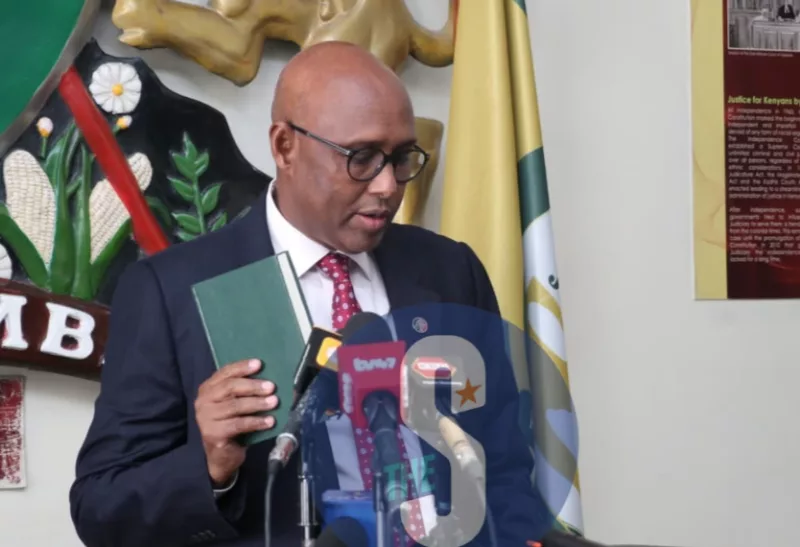
In a public notice, PSC Secretary and Chief Executive Officer Paul Famba urged members of the public to verify the authenticity of appointment letters through official channels before acting on them.
“The commission wishes to inform members of the public that the said letters bear forged signatures, fake reference numbers and counterfeit official stamps,” Famba said.
He advised recipients to contact the commission through its official communication channels or reach out to the state department to which they have allegedly been posted to establish whether their appointments are genuine.
The PSC said it had forwarded the matter to the Directorate of Criminal Investigations (DCI) for investigations and prosecution of those responsible for the fraudulent documents.
The commission also urged Kenyans who have received suspicious appointment letters or been solicited for bribes by individuals claiming to be PSC officials or intermediaries to report the incidents immediately.
Reports can be made to the Commission Secretary at Commission House, Harambee Avenue, Nairobi, through telephone numbers 020-2223901 and 0204865000, or by emailing [email protected].
Members of the public can also report suspected cases to the nearest police station or DCI office for investigation.
The commission further clarified that all legitimate public service vacancies are advertised exclusively through its official website, www.publicservice.go.ke, and the online recruitment portal, www.psckjobs.go.ke.
Other authorised platforms include the government’s weekly MyGov pullout and the commission’s verified social media accounts.
The PSC urged jobseekers to rely on these official platforms when seeking information about vacancies and recruitment processes, warning them to be cautious of individuals promising government jobs through unofficial channels.
The warning comes amid concerns that fraudsters may be exploiting the high demand for public service jobs to deceive applicants using documents designed to appear authentic.
The commission said reporting suspicious letters and demands for bribes would help investigators identify those involved and take appropriate legal action.
Famba reiterated the importance of verifying appointment documents and urged the public to cooperate with authorities by reporting suspected fraud.