University students in Nairobi have expressed frustration over the lecturers’ strike, saying prolonged idleness is leaving them unproductive and exposing them to potentially harmful behaviour as public universities remain closed for the fourth week.
The strike, which began on October 2, involves the Universities Academic Staff Union (Uasu), the Kenya University Staff Union (Kusu) and Kudheiha.
The unions are demanding the conclusion, signing and immediate implementation of the 2025–2029 Collective Bargaining Agreement (CBA).
Negotiations with the Inter-Public Universities Councils Consultative Forum (IPUCCF) have stalled after lecturers rejected a phased implementation plan, insisting that the government table a counter-offer addressing all components of the agreement.
At the University of Nairobi, students have staged two protests this month, demanding an immediate resolution of the dispute and the resumption of lectures.
The first demonstration took place on October 21 after the expiry of a 72-hour ultimatum issued by the University of Nairobi Students Association (UNSA).
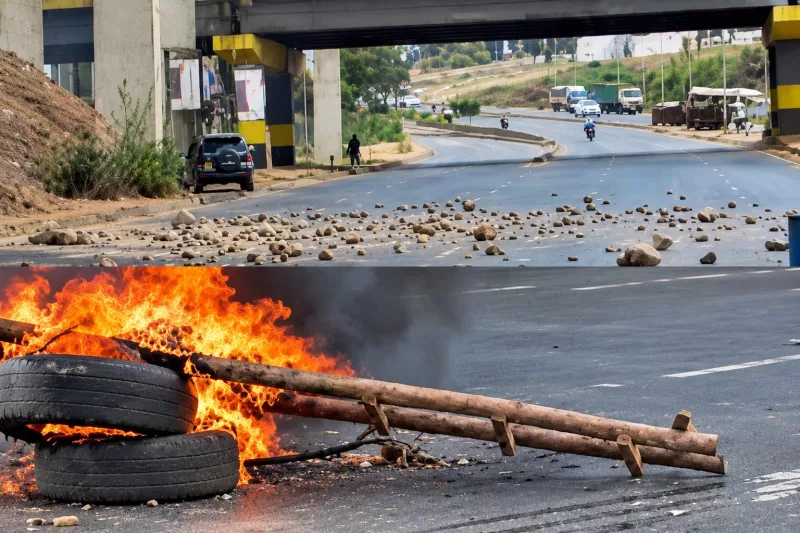
On October 27, students returned to the streets, demonstrating along Waiyaki Way, where they lit bonfires and placed stones across the highway, disrupting traffic as they pressed for the immediate resumption of learning.
Some said the prolonged break had left them with little to do, while others warned that the lack of academic engagement was making it harder to resist irresponsible behaviour.
They alleged that some of their colleagues had resorted to suicide.
“I’m too idle, I might even become a thief in this town,” one student said.
“I want to learn. My parent sent me money but I’m not learning, I’m just eating. I will find myself in bad behaviour. Let people go back to class,” the student added.
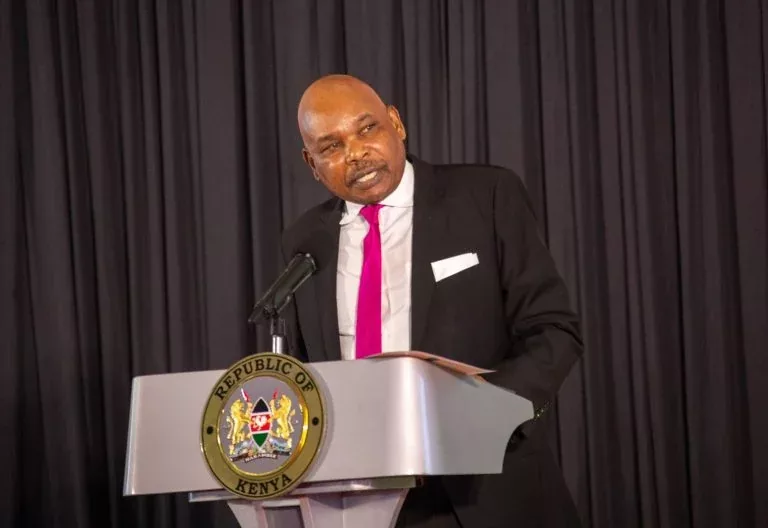
The demonstrators gave Education Cabinet Secretary Julius Ogamba 24 hours to resolve the standoff, warning of further protests if the deadline passed without a breakthrough.
“Comrades are very idle, some are just engaging in irresponsible sexual behaviour, but now they are tired of that. We want the lecturers to be paid. We are giving [the government] up to tomorrow; we don’t have time. We stand with our lecturers,” another student said.
The protests underscore the growing frustration among learners as the dispute between university staff and their employer continues without a settlement.
Uasu secretary general Constantine Wasonga has maintained that the unions will not accept a deal imposed without negotiations, warning that the industrial action will continue until an agreement is reached.
A fresh conciliatory meeting between the striking lecturers and IPUCCF on Monday, October 26, ended in a stalemate, further dimming hopes of an immediate return to class.
Wasonga cautioned lecturers against sympathising with the government, arguing that the dispute extends beyond salaries to the staffing challenges facing public universities.
“It’s not just about salaries, universities are grossly understaffed,” he said.
Uasu has rejected the prospect of accepting pay figures determined without its involvement, insisting that the government's counter-offer must fully address each of their demands.
“If you leave this impasse in the hands of the State Department for Higher Education and the vice chancellors’ committee, then prepare for a long strike,” Wasonga warned.
With talks yet to yield an agreement, students remain caught in the middle of the dispute, facing further uncertainty over when normal learning will resume.
"We are the biggest losers in this fight, as said by a wise man, when two elephants fight, the grass suffers," UNSA president Ahmed Rashid said.