The disparity between the paid leave men and women get when a child is born or adopted is too wide and burdens women, a UN and World Bank report suggests.
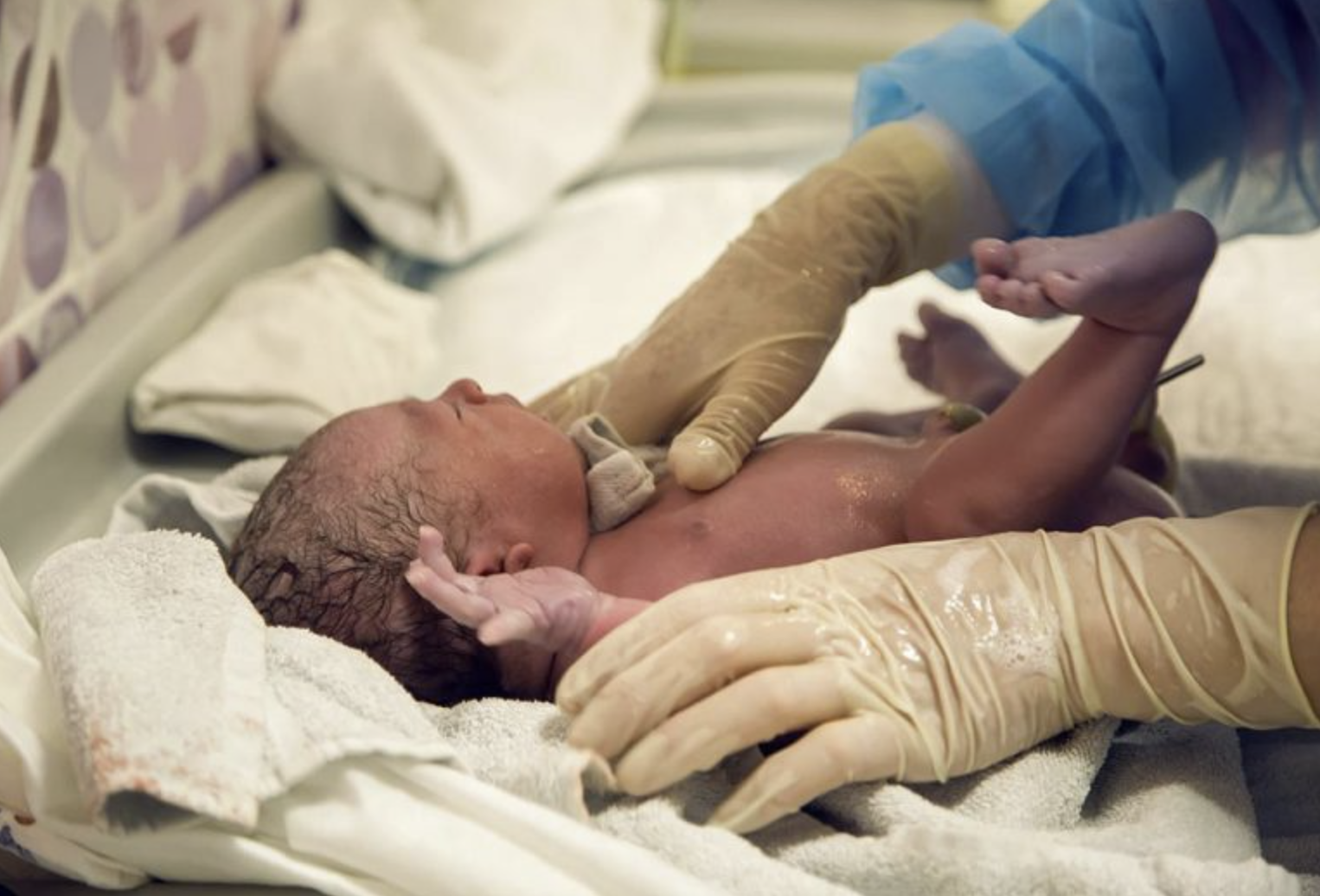
Kenyan mothers get nearly seven times as much paid leave as fathers when a child is born, a gap a UN Women and World Bank Group report says hurts mothers, children and fathers alike.
Fathers in Kenya get 14 days of paid paternal leave while women get three months.
The UN report "From Parenthood Leave to Childcare Services", covers 190 countries.
It recommends increasing paid paternity leave for men but says employers alone should not bear the burden, which should be co-financed by social insurance schemes such as the Social Health Authority (SHA) or the NSSF.
Kenya appears to do better because 66 economies give fathers no paid leave at all and ff the 124 that do, half give less than two weeks, including five days on average in sub-Saharan Africa.
UN Women Deputy Executive Director Nyaradzayi Gumbonzvanda said the problem goes beyond leave. "Care sustains our families, societies, and economies, yet women continue to shoulder a disproportionate share of it. We can only achieve gender equality and realize the human rights and empowerment of women and girls by transforming how care is valued and shared," she said.
Women already spend two and half times more hours each day than men on unpaid care work. When fathers take leave, the report finds, they share more of the childcare and housework over the years, which eases that load.
Mothers also gain at work, because paternity leave is linked to higher earnings for them and higher employment in private firms. Children benefit as well, and one study links more responsive fathering to better learning, language and behaviour.
Under Section 29 of the Employment Act, a Kenyan mother gets three months of paid leave. The International Labour Organization sets its standard at 14 weeks, or 98 days.
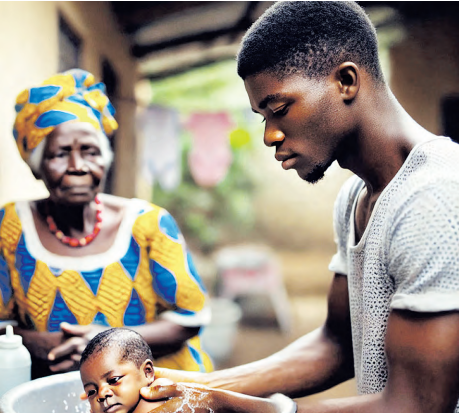
Many fathers said they want to do more to support their newly-born children. According to the UN report, 83 per cent say their employers do not offer flexible working arrangements.
More than 64 per cent would support higher taxes to expand public care services.
Gumbonzvanda said the answer lies in policy. "Closing the parenthood gap requires equitable parental and carers' leave, alongside policies that enable and encourage fathers to take on their fair share of care, as well as the provision of social protection."
Lawyer Prof Tom Ojienda said the law treats mothers and fathers differently. "Unlike maternity leave, paternity leave is limited to 14 days per year, regardless of the number of children born within that year."
In 2023, Dr Magare Gikenyi asked the Employment and Labour Relations Court to declare Section 29 of the Employment Act discriminatory because it gives fathers and mothers different leave periods.
The court dismissed the petition. Prof Ojienda notes the reasoning. "The court recognized the unique physical and health-related needs women experience during and after childbirth. As such, the variation in leave durations was considered reasonable and constitutionally acceptable."
The UN report urges countries to give fathers their own paid leave that cannot be passed to the mother. It also wants leave paid through government or social insurance schemes instead of by employers, along with simpler application rules and public campaigns to change attitudes.
The findings come days before the International Day of Care and Support on October 29, when UN Women and the World Bank are asking governments to recognise men and boys as caregivers and to promote the equal sharing of care work.
Instant analysis
Kenya’s parental leave policy exposes a wider inequality in how childcare is shared. While maternity leave recognises the physical demands of childbirth, the limited 14 days granted to fathers leaves women carrying a disproportionate burden of early childcare. Extending paid paternity leave would help, but reform must also challenge workplace attitudes and make leave affordable for employers and workers, ensuring fathers can participate meaningfully without undermining women’s maternity protections.