Kenya is set to host a series of film screenings, masterclasses and industry discussions exploring migration, identity and cultural belonging as the Afropean Cinema initiative brings African diaspora filmmakers based in Europe into conversation with local audiences and industry professionals.
The initiative, organised by the EUNIC Cluster Kenya in partnership with Kenyan film organisations, will run through the Nairobi Film Festival and Kilifi Creek Festival, creating opportunities for cultural exchange, professional networking and collaboration between African and European film communities.
The programme, which begins during the Nairobi Film Festival running from October 15 to 25, 2026, will showcase films examining the experiences of people navigating multiple cultural identities, migration, memory and life across national borders.
It will also feature activities at the Kilifi Creek Festival from October 23 to 31, extending the programme beyond Nairobi and engaging audiences and emerging filmmakers along the Coast.
According to the organisers, Afropean Cinema seeks to provide a platform for African diasporic perspectives that are often underrepresented in film discussions on the continent.
“Afropean Cinema creates opportunities for audiences to engage with diverse artistic perspectives from African diasporic communities living and working in Europe,” the organisers said in the project description.
The initiative is being implemented in partnership with the NBO Film Festival, Kilifi Creek Festival, Docubox and Ateker International Film Festival.
Nine films to be showcased
The programme will feature nine films exploring identity, migration, belonging and transnational experiences. Among the featured works is Death of a Saint (2024) by Ugandan-Danish filmmaker Patricia Bbaale Bandak.
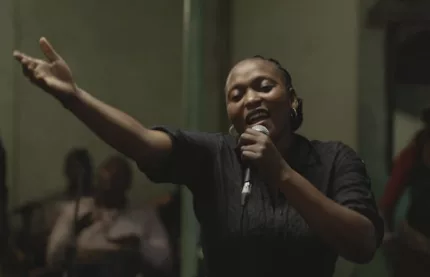
The programme will also include a retrospective of films by French-Senegalese filmmaker Alain Gomis, featuring L'Afrance (2001), Andalucia (2007), Tey (2012), Félicité (2017) and Rewind & Play (2022).
Gomis will participate in screenings and discussions, including a question-and-answer session following the screening of Tey at Alliance Française in Nairobi on October 22.
Other invited guests include Ghanaian-German film programmer Jacqueline Nsiah, a member of the Berlinale selection committee, and Nigerian-British filmmaker Tomisin Adepeju.
EUNIC Cluster Kenya president Cristina Nord said African filmmakers working in Europe had long used cinema to examine colonialism, immigration and the experiences of people navigating different cultural environments.
“For decades, filmmakers of African descent have been working in European countries. Med Hondo, Sara Maldoror or Safi Faye were at the forefront with works such as Soleil Ô (1970), Monangambee (1968) or Man sa yay (1980), addressing the experience of colonization and immigration,” Nord said.
She noted that these filmmakers challenged established European perspectives by presenting stories from people whose experiences crossed geographical and cultural boundaries.
“However, this thickly woven tapestry of diasporic filmmaking is rarely seen and discussed on the continent. This is where our project kicks in,” she said.
Training emerging filmmakers
Beyond screenings, Afropean Cinema will offer workshops and masterclasses covering filmmaking techniques, storytelling, international co-productions, funding opportunities and access to international markets.
At the Kilifi Creek Festival, Adepeju will lead a masterclass on October 28 titled Finding Your Voice and the Art of Economical Filmmaking.
The day's programme will also feature a screening of My Father's Shadow (2025), directed by Akinola Davies Jr., followed by a virtual question-and-answer session with the filmmaker.
On October 29, Bandak will lead a documentary filmmaking masterclass titled Doc Filmmaking 101: First Person Storytelling, alongside a screening of Death of a Saint.
The programme will also host discussions on artificial intelligence and technology in film, as well as festivals, distribution and sales.
Organisers said the capacity-building activities would include five emerging film practitioners from the Turkana region, giving them opportunities to develop skills and connect with professionals in the industry.
The organisers hope the exchanges will strengthen Kenya's film ecosystem and encourage future collaborations between local practitioners and international partners.
Screenings open to the public
At Alliance Française in Nairobi, the Alain Gomis retrospective will run from October 19 to 24, with screenings scheduled for 6pm.
The screenings listed under the retrospective will be free to attend, although other NBO Film Festival screenings and activities will require tickets.
All Afropean Cinema activities at the Kilifi Creek Festival will also be free to attend.
The organisers said the initiative would use cinema as a platform for dialogue, enabling audiences to engage with different perspectives on identity, cultural heritage and the experience of belonging to more than one place.