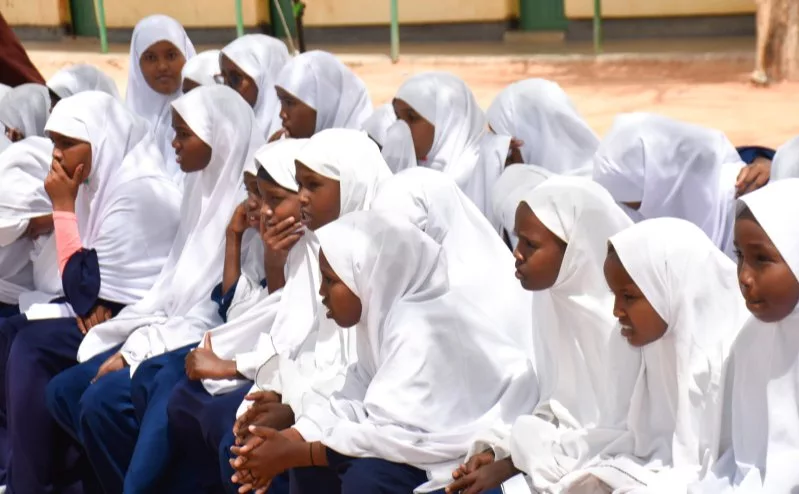
 Students
from UmmulKheir Girls' Junior and Primary School /STEPHEN ASTARIKO
Garissa leaders and rights advocates are urging state intervention to establish a functional rescue centre and enforce laws protecting girls from FGM, child marriage and human trafficking.
They warned inadequate protection services, limited funding and underreporting of abuse continued to expose girls to violations that threaten their safety, education and future.
They urged the national and county governments, parents, teachers, elders and religious leaders to work together to protect girls.
The leaders and rights advocates spoke during celebrations to mark International Day of the Girl Child at UmmulKheir Girls' Junior and Primary School in Garissa town.
This year’s theme, 'End child marriage and invest in girls’ rights', called for renewed efforts to end practices that deny girls their childhood, education and ability to determine their futures.
Naima Salat, the gender equality and social inclusion officer at Muslim Women Advancement of Rights and Protection, said Garissa urgently needed a rescue centre where survivors of abuse could access protection and comprehensive support.
“One of the major challenges we have identified is the lack of a well-equipped rescue centre for survivors of abuse," she said.
"We have raised this issue several times with different stakeholders and recommended the establishment of a facility where survivors can receive support and protection.”
Salat also criticised inadequate budgetary allocations for programmes targeting women and children, saying investment in mentorship, empowerment and community awareness was necessary to help girls understand their rights and seek assistance.
She said weak reporting mechanisms and limited confidence in institutions handling abuse cases continued to undermine survivors’ access to justice in cases of domestic violence and FGM.
Some families, she said, were reluctant to report violations because they lacked confidence in law enforcement agencies, while others turned to traditional maslaha dispute-resolution mechanisms, which could prevent girls and women from freely expressing their wishes or pursuing formal justice.
Salat cautioned that the absence of reported FGM cases in recent years did not necessarily mean the practice had ended, citing its continued acceptance as a cultural tradition in some communities.
She called for stronger community engagement and efforts to empower girls to speak out against harmful practices.
Garissa-based human rights activist Mohamed Khalif said ending child marriage and other forms of abuse required strict enforcement of the law and a collective commitment to protecting girls.
“Child marriage is a serious concern and we must ensure our daughters are protected. Anybody who violates the law should face its full force,” he said.
Khalif, who chairs the Garissa Civil Society Network, urged parents to ensure girls received both religious and formal education, saying every child should have the opportunity to complete school and pursue her ambitions without discrimination.
He said perpetrators of defilement, rape and other forms of sexual abuse must be held accountable, warning against the use of cultural justifications to excuse violations.
Khalif singled out FGM as a harmful practice that families must abandon, urging community elders, religious leaders and other influential figures to take an active role in protecting girls.
He said mothers and grandmothers were sometimes involved in taking girls for the practice or pressuring them to undergo it, saying efforts to end FGM required a change in attitudes within families.
“Protecting our girls is a collective responsibility. It starts at home, with parents and guardians, but the entire community must play its part,” he said.
He also warned that human trafficking could leave families with little information about the whereabouts of missing children.
Khalif urged parents to build trusting relationships with their children so they could report suspicious approaches, inappropriate touching or attempts by strangers to lure them away.
Abdiwahab Ibrahim, the Northeastern regional head of the National Gender and Equality Commission (NGEC), called for coordinated action by the national and county governments, police, prosecutors, the Judiciary, schools and communities to prevent child marriage and protect girls at risk.
He urged law enforcement agencies to investigate and prosecute cases of child marriage and related offences promptly, while ensuring affected girls received protection.
Ibrahim also called for stronger birth registration systems and verification of the ages of prospective spouses before marriages are registered. He urged authorities to improve public awareness and ensure customary and religious marriages were properly registered.
He further urged authorities to trace learners who had dropped out of school and consistently implement school re-entry guidelines to help adolescent mothers and girls escaping child marriage resume their education without discrimination.
Ibrahim said vulnerable girls needed greater access to bursaries, menstrual health support, life-skills programmes, safe spaces and social protection for their households.
Ibrahim said girls affected by or at risk of child marriage required coordinated services, including healthcare, psychosocial support, legal aid and safe accommodation.
The stakeholders said protecting girls required sustained investment, effective enforcement of the law and community involvement to ensure that every girl could pursue her education and future free from abuse.
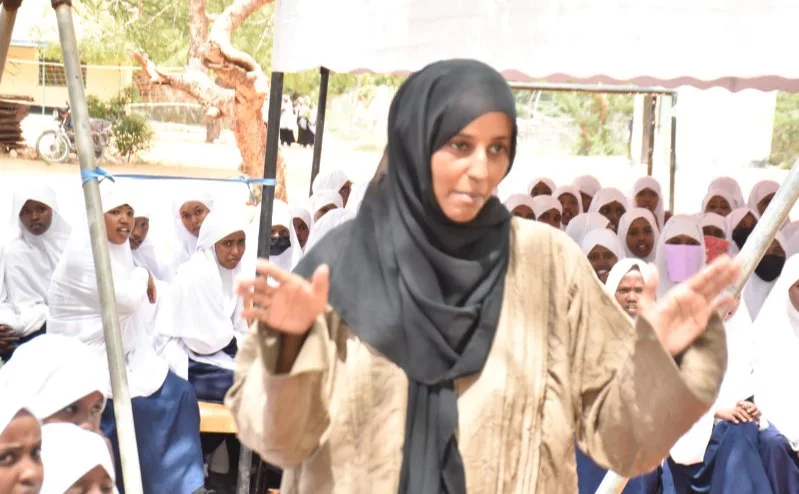
Girlkind programme officer Hamasa Abdi addresses students /STEPHEN ASTARIKO
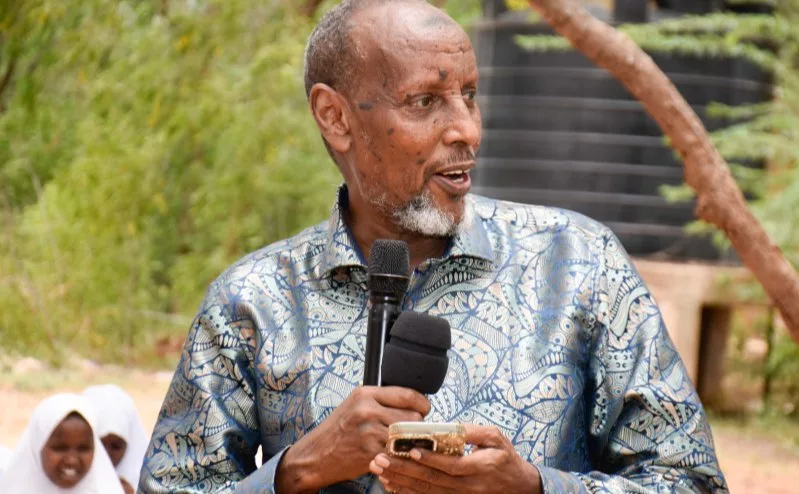
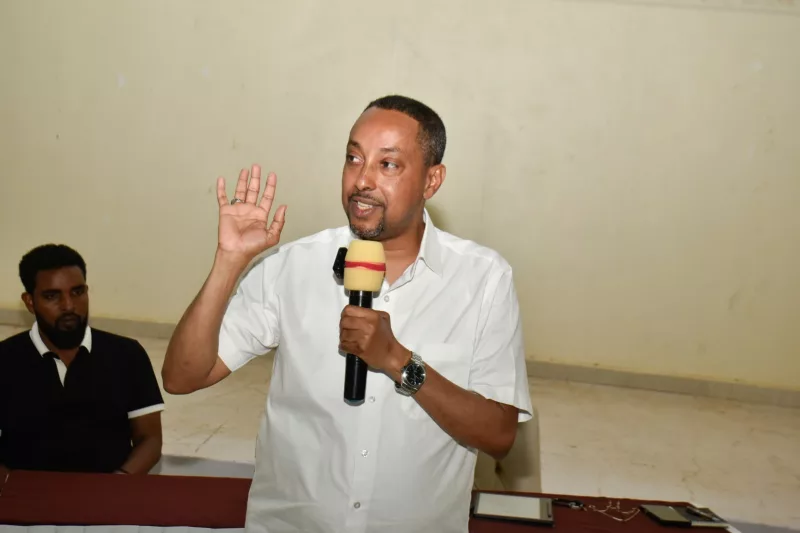
Mohamed Khalif, the chairperson of the Garissa Civil Society Network /STEPHEN ASTARIKO
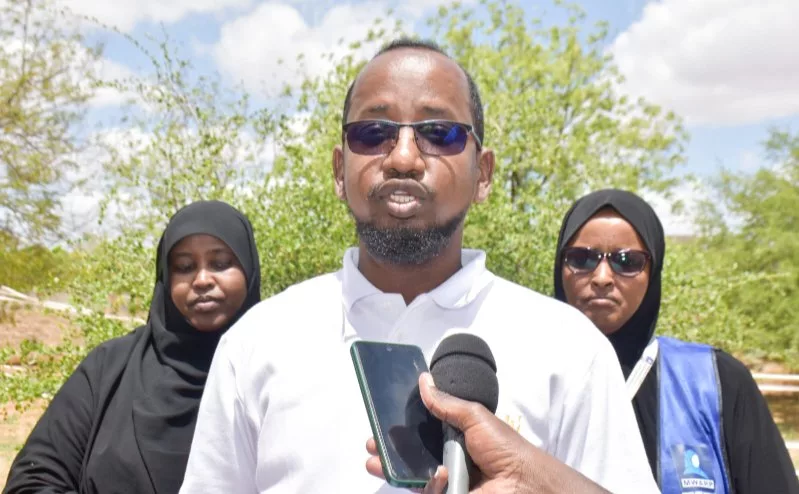
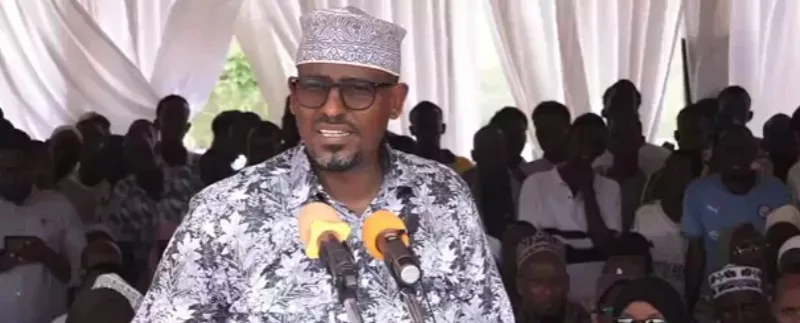
Abdiwahab Ibrahim, Northeastern regional head of the National Gender and Equality Commission (NGEC) /STEPHEN ASTARIKO
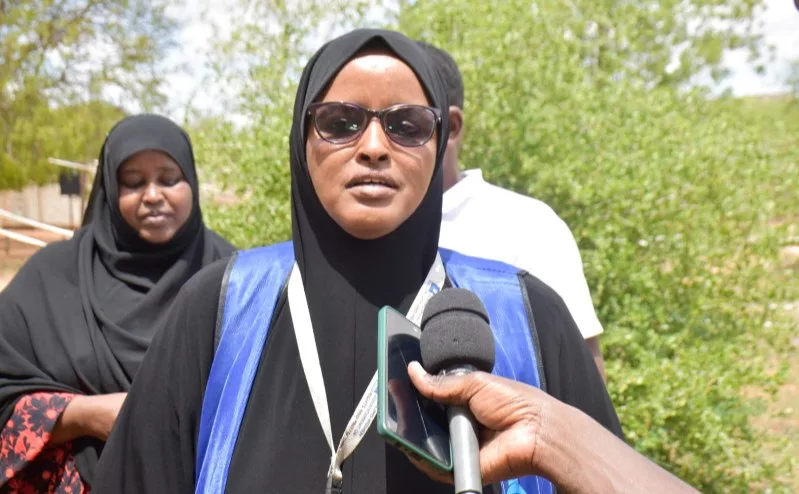
Naima Salat, the gender equality and social inclusion officer at Muslim Women Advancement of Rights and Protection /STEPHEN ASTARIKO
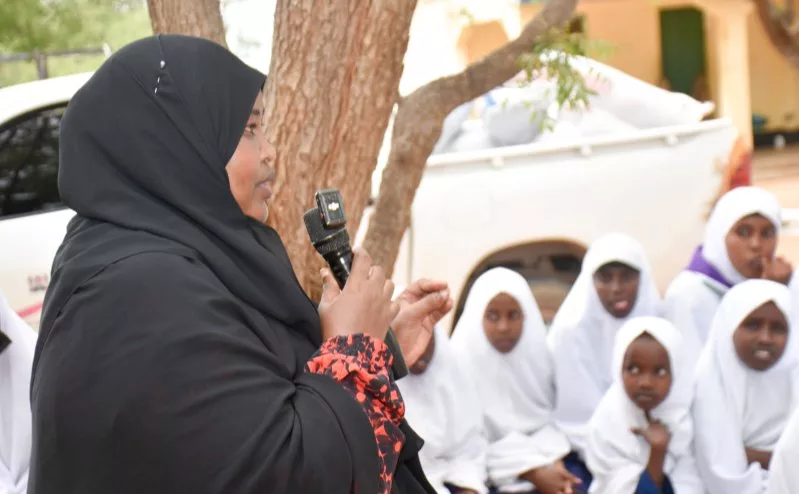
Fatuma Dekow, from Women Education for Health and Development addresses students from Umulkheir Girls' Junior and Primary School /STEPHEN ASTARIKO